11/18/2026
SPRIND Impact: Long-Duration Energy Storage
Three Teams from SPRIND's Long-Duration Energy Storage
Challenge Succeed with Long-Term Energy Systems
What happens after a SPRIND challenge is finished? Just over a year after the completion of the Long-Duration Energy Storage
challenge, three of the four finalist teams – Reverion, Ore Energy and Unbound Potential – have collectively raised over €275 million in seed, Series A, and Series B funding rounds, are building production facilities, and are creating more than 1,000 jobs.
With an initial investment of €16.5 million that five teams received through various stages of the challenge, SPRIND has leveraged more than €275 million in private capital – a multiplier of 16.
Two of the teams announced their company formation shortly before the SPRIND challenge began. The third team founded their company when it was selected for the challenge. SPRIND played a significant role in bridging the valley of death
between successful research and commercialization, providing initial funding and serving as an opener to funding rounds.
Why Long-Duration Storage is Essential for Germany's Industrial Future
By 2045, Germany aims to achieve climate neutrality – and to fully transition its energy supply to renewable sources. This isn't just a climate goal; it's also a matter of energy security. Since the Ukraine war, natural gas has lost significance as a bridging technology, while dependence on energy imports is increasingly viewed as a risk.
At the same time, baseload coal power plants are scheduled to be shut down by 2038. The requirement is well-known, but the solution is complex: renewable energy doesn't generate continuously. During so-called dark doldrums
– periods of low solar and wind output – electricity generation drops to a fraction of the average. In Germany, several such lulls exceeding 48 hours occur each year, with individual events lasting up to ten days.
Short-term storage and demand management are then insufficient. Energy storage systems with durations of at least ten hours up to several weeks are needed to ensure grid stability and meet rising demand during winter months. The SPRIND Challenge Long-Duration Energy Storage addressed exactly this gap: It identified and provided early funding for technologies capable of storing renewable energy over days and weeks – paving the way for a climate-neutral, independent energy supply.
Reverion
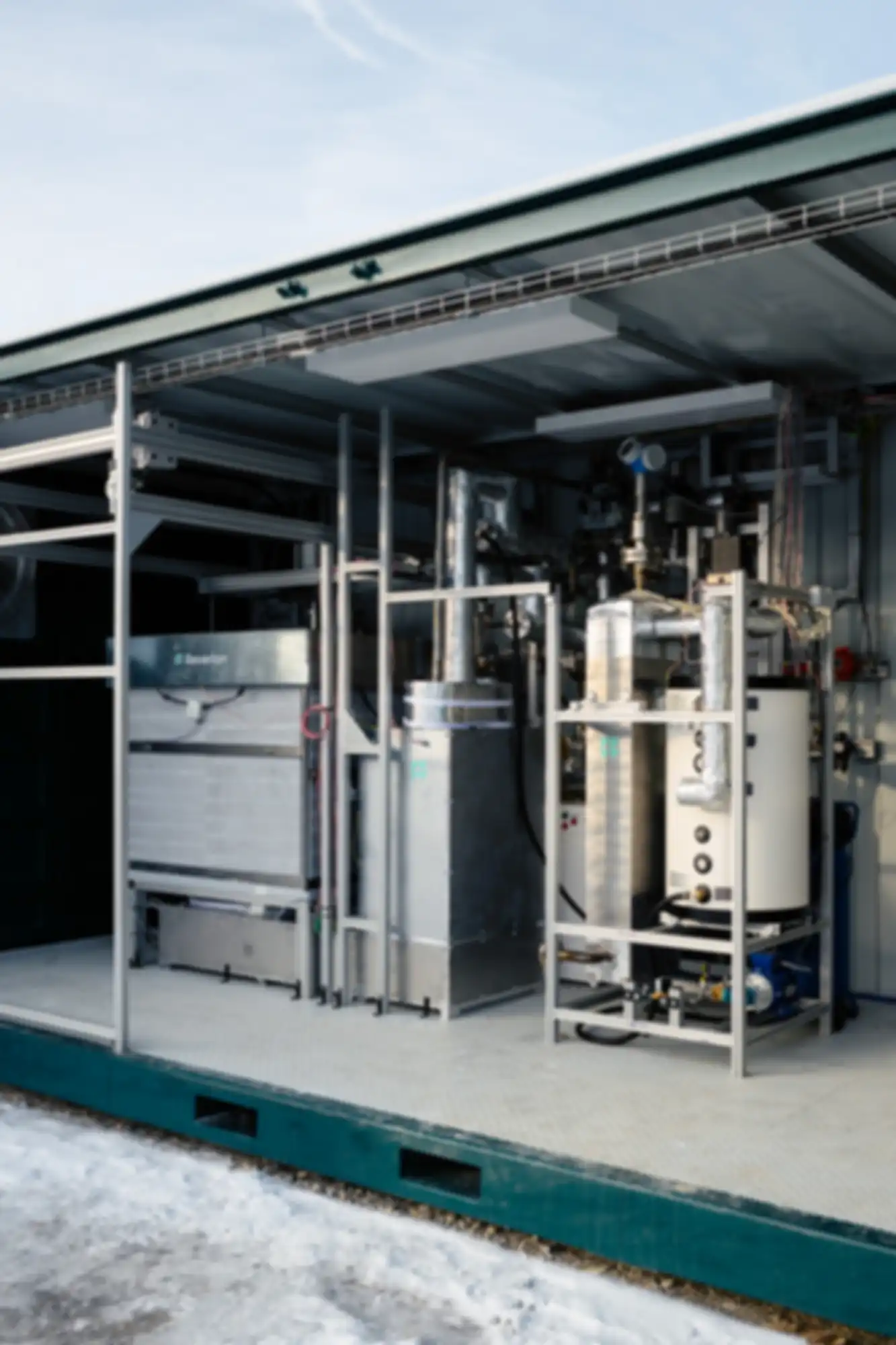
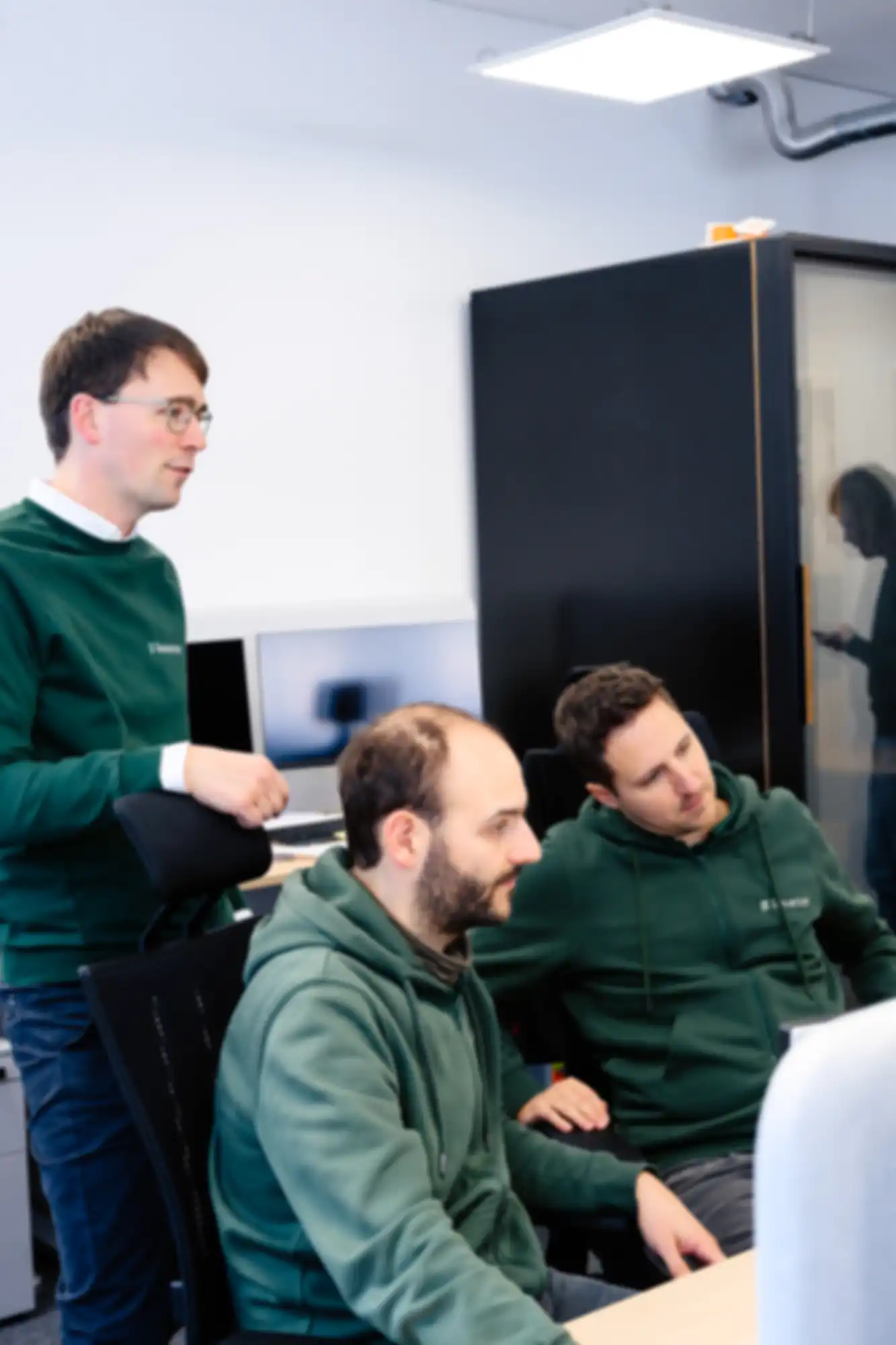
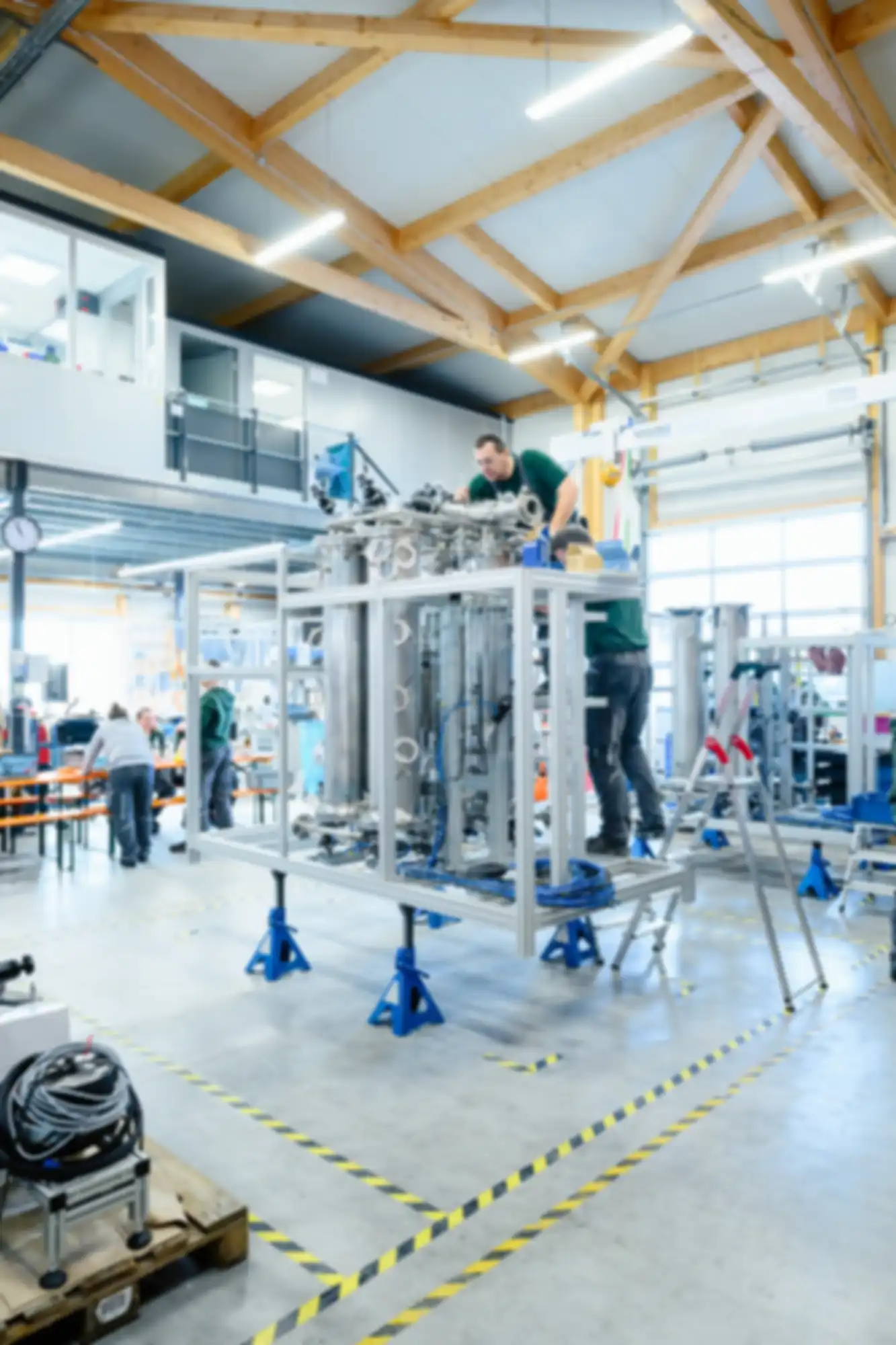
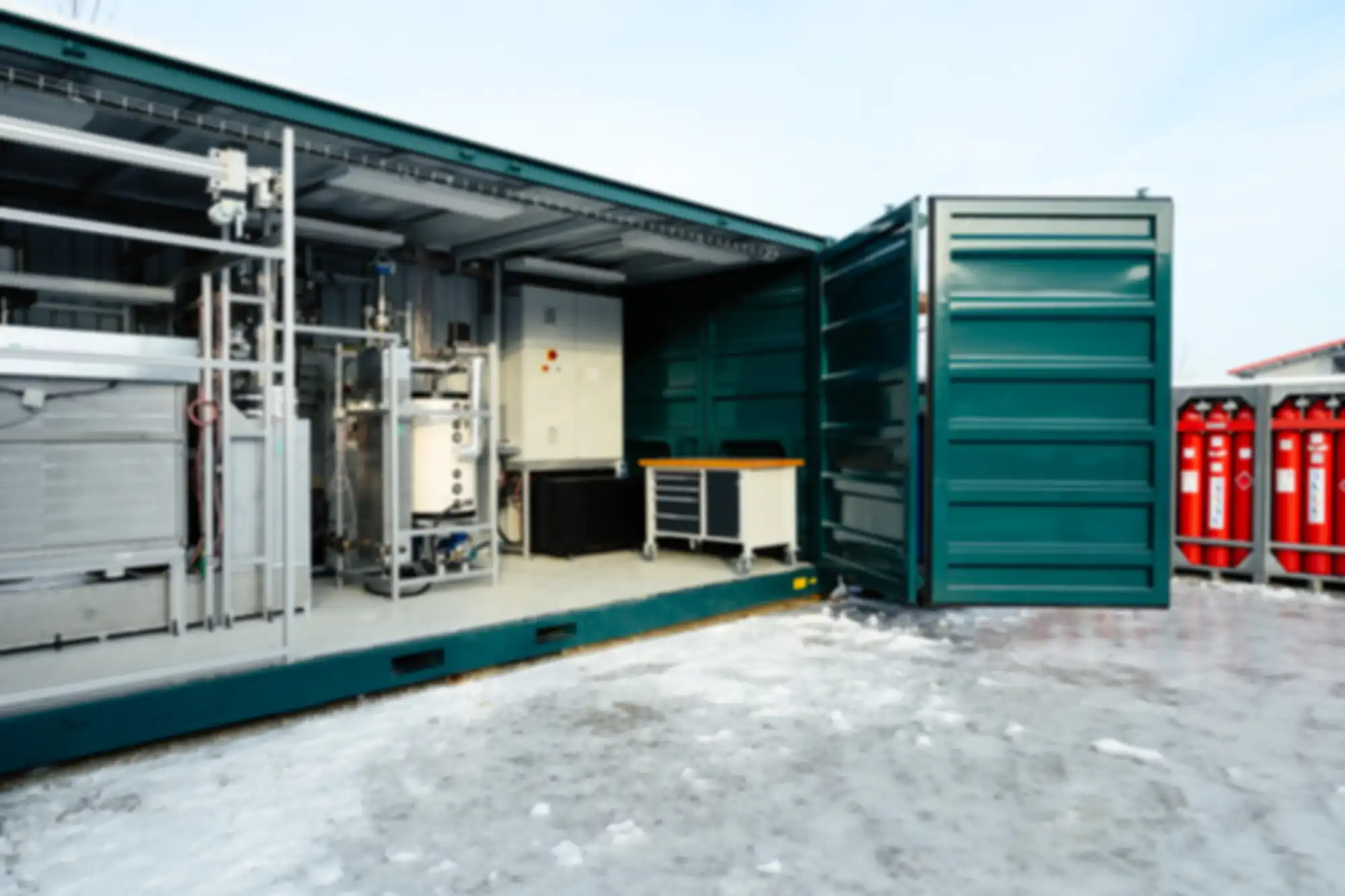
Based in Eresing near Munich, Reverion is a spin-off from the Technical University of Munich. While the challenge was still ongoing, the team closed a Series A funding round of $62 million. This was followed by a Series B round of $175 million in September 2026. Reverion's technology enables the conversion of natural gas, biogas, or hydrogen into electricity at nearly twice the efficiency of conventional systems. While traditional combined heat and power plants with internal combustion engines typically achieve only around 40 percent efficiency, Reverion's container-based high-temperature fuel cells deliver a world-record efficiency of 74.2 percent in customer operations – with 80 percent targeted in the medium term. Since the systems can switch between power generation and electrolysis in under one minute, excess renewable electricity can be converted into hydrogen or methane, buffered in external storage or the gas grid, and re-electrified as needed. As part of the SPRIND Challenge, Reverion advanced its technology into commercialization.
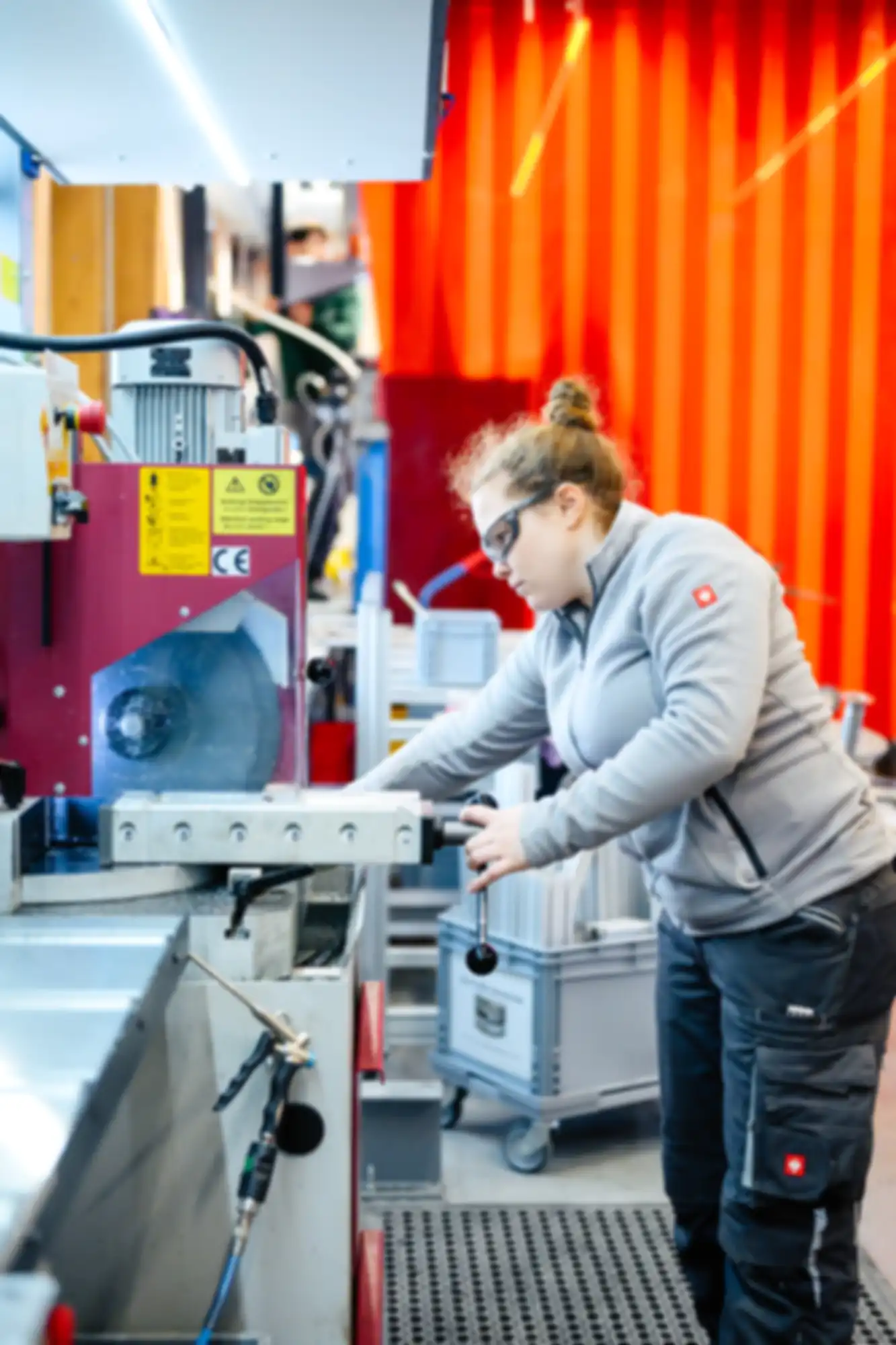
Demand has now grown so strong that the company's headquarters in Eresing, Upper Bavaria, with over 200 employees, is reaching its capacity limits. To increase production tenfold to 250 megawatts per year and create up to 800 new jobs, Reverion is currently developing a new site in Germany for a megafactory.
There are many funding instruments in Germany, but SPRIND stands out. Why? Because it's fast. Because it's bold. Because it doesn't get bogged down in bureaucracy. The team made it possible to go from funding approval to the first payment in 14 days – that's ultra-fast, unbureaucratic, solution-oriented. Relatively small amounts are moving incredibly big things here. The key is: fast, flexible support, combined with the ability to quickly identify where real growth potential lies.
Ore Energy
Also searching for a location is Ore Energy from the Netherlands, which aims to build its first large-scale production facility in Germany. By 2028, manufacturing capacity in the gigawatt-hour range for long-duration storage is expected to be established. For this step, the company raised $43 million in a Series A funding round in August 2026. The pilot manufacturing facility is expected to reach an annual capacity of several hundred megawatt-hours. A total of 100 new jobs are planned. In 2024, the company received €10 million in a seed funding round.
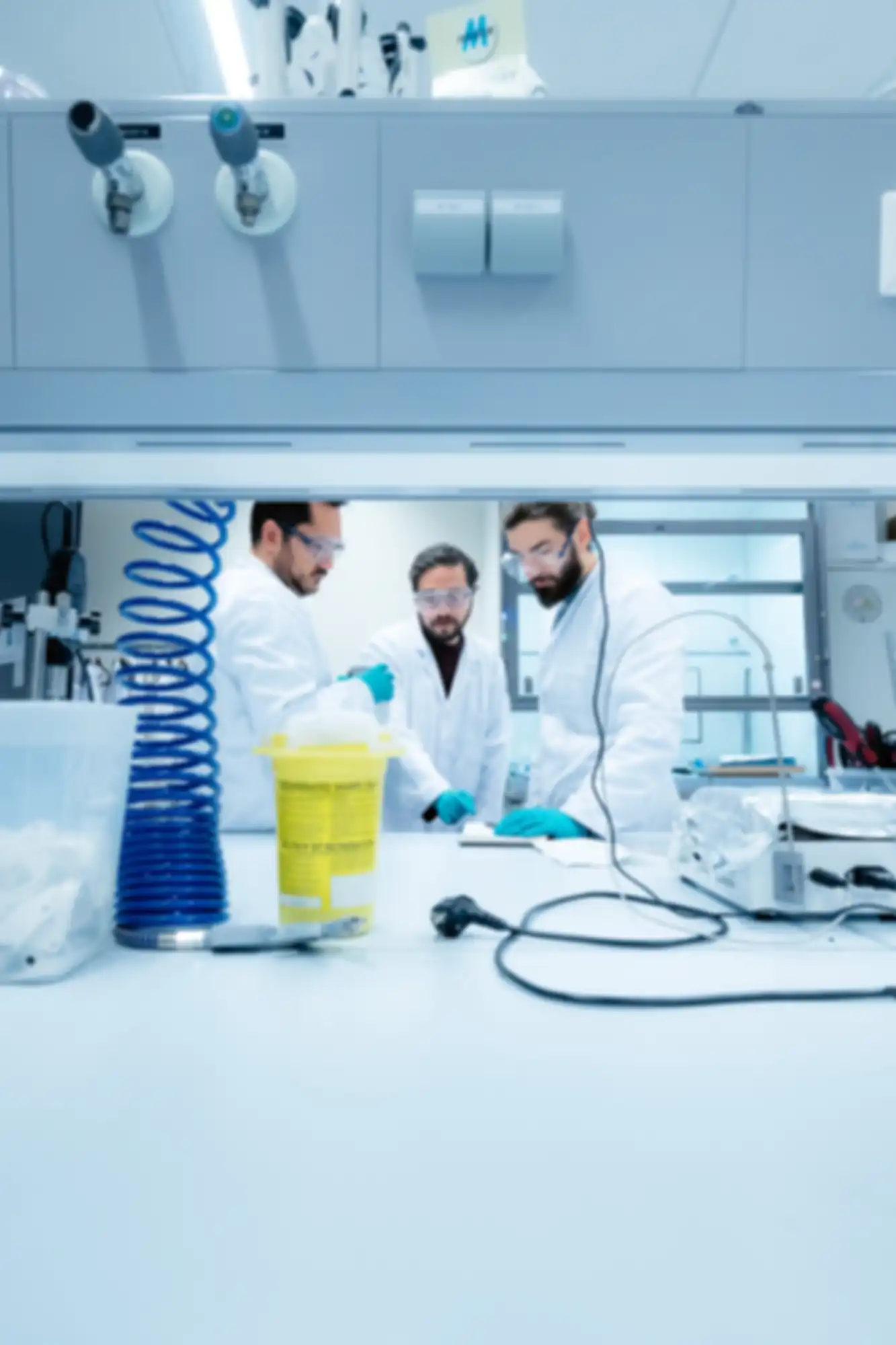
Ore Energy produces an iron-air battery that operates using only iron, water, and air. The batteries deliver fast, reliable energy for data centers and other large-scale energy infrastructure, helping to overcome grid congestion and improve supply security. The batteries store energy for up to 100 hours and are based on cost-effective materials that can be fully sourced within the EU – independent of critical raw materials. Additional advantages of the technology: According to the company, capital costs are approximately €16 per kilowatt-hour – roughly one-tenth the price of conventional lithium-ion storage. The battery is non-toxic, non-flammable, modularly scalable, and designed for a 20-year lifespan. After initial successful grid tests, Ore Energy signed a contract with an energy provider in the Netherlands for 1 gigawatt-hour of storage capacity; installation is scheduled to begin in 2028. AI data centers have also ordered Ore Energy's system for long-duration storage.

Unbound Potential
The youngest team in the group, Unbound Potential, was spun off from ETH Zurich in late 2022. The company closed a pre-seed funding round of €14.4 million in September 2025. During the final stage of the SPRIND Challenge, Unbound Potential was already able to announce a partnership with Amazon for testing its redox flow battery storage at its logistics centers. Since October 2026, there has been a German subsidiary in Heilbronn, which will serve as the industrial base. Another milestone is the pilot plant at Gesundheitspark Thalwil, which is designed to buffer excess solar power.
The Unbound Potential team is developing a flow battery that does without wear-prone membranes, as used in conventional redox flow batteries. The foundation is a fundamental physical principle: In the storage systems, two immiscible electrolyte liquids meet – similar to oil and water – and form a natural interface for ion exchange without any physical barrier. This makes the non-flammable batteries cheaper and more durable. They also avoid critical raw materials such as lithium or vanadium. This simplified cell design creates the conditions for cost-efficient, scalable manufacturing.
How Does SPRIND Support Teams After a Challenge?
Challenges are meant to serve as ignitions. In addition to startup funding, teams receive individualized coaching, access to cooperation partners, and matchmaking sessions with investors and industry contacts. After successfully completing a challenge, teams have the opportunity to receive follow-up funding from SPRIND in the form of grants, equity investments, or convertible loans. Regardless of any follow-up funding, SPRIND remains in contact with challenge teams after the collaboration concludes and offers further support to help them commercialize their solutions: through targeted networking, access to policymakers, joint communication of milestones, and presentations on platforms such as Venture SPRIND. The Long-Duration Energy Storage Challenge is a prime example of SPRIND's long-term impact. Three of four teams are contributing to the success of Germany's energy transition. But what happened to the fourth finalist team? The company ceased operations. Because that, too, is part of a successful challenge: recognizing which approaches don't produce the desired effect.
More about this topic
Projects
HARVESTING THE WIND
The inland wind turbines of the future
Challenges and Funken

Long-Duration Energy Storage
The Challenge teams are asked to identify breakthrough technological approaches that enable long-term, efficient, and cost-effective energy storage.
More Magazine Articles