Your Challenge:
Continuous Hormone Monitoring
Hello people with radical new ideas! We need breakthrough innovations to measure hormones. Continuously. Precisely. Personalized. We need bold ideas. We need you.
Hormones control nearly every process in the human body – from metabolism and immune function to cognition and reproduction. Yet how we measure them is static: one moment, one value. Hormones follow highly dynamic patterns however – they fluctuate throughout the day, across the cycle, in response to stress, sleep and nutrition. This dynamic currently remains invisible.
Women are particularly affected. Their hormonal systems show the greatest variability – and have been structurally underrepresented in research for a long time. Even today, diagnoses are based on reference ranges that consider neither cycle phase nor time of day nor individual baseline. Diseases such as endometriosis, PCOS (now PMOS), autoimmune disorders or hormone-dependent cardiovascular diseases are detected too late or not understood at all. AI models are trained on the same incomplete data.
What we need are sensors that measure continuously in everyday life. Sensors that make visible what remains hidden today.
Allow data transfer to/from vimeo.com? (learn more)
The challenge: to develop biosensors that continuously measure at least four hormones over seven days – with sufficient temporal resolution to capture biological dynamics without loss of information.
In the Challenge, teams will develop sensor technologies that enable continuous hormone monitoring for the first time. At least four hormones must be captured – including estrogen, progesterone, LH, FSH, cortisol, testosterone or thyroid hormones. The temporal resolution of measurements must be chosen to capture the specific biological dynamics and pulsatility of the selected hormone panel without loss of information. Measurement occurs over at least seven consecutive days, directly in a biological matrix such as interstitial fluid, sweat or saliva.
Each team defines a concrete, transformative use case based on clinical-grade data: Early detection of preeclampsia through longitudinal estrogen profiles? Optimization of hormone-dependent drug dosing across the cycle? Prediction of luteal insufficiency before clinical symptoms emerge? The goal is to develop a platform technology fundamentally capable of making visible highly dynamic processes that remain hidden in current clinical practice due to insufficient data point density. This should create new possibilities for therapy and diagnostics that would not be possible without the developed technology.
In parallel, a shared reference data pool is created – the first standardized collection of continuous hormone data across populations, life phases and health conditions. This pool will form the foundation for precise calibration, further research, and AI-powered precision medicine.
We support:
Potential breakthrough innovations
Teams participating in this Challenge are fully challenged. SPRIND therefore provides intensive and individual support. This includes funding the teams with up to €1.5 million in Stage 1, up to €2 million in Stage 2 and up to €2.5 million in the final Stage 3 of the Challenge. In order to help the teams develop their full potential, SPRIND provides them not only with financial support but also with mentors who accompany, advise and network the work of each team.
To enable the teams to concentrate fully on their innovations, we provide funding quickly and unbureaucratically. The first stage starts in July 2026: After one year, the jury decides on the basis of interim evaluations which teams will continue to participate in the Challenge. As finalists, these teams are given the opportunity to drive their project forward for another twelve months. The best teams receive another twelve months in Stage 3 to comprehensively demonstrate their breakthrough.
Thinking one step further: Ideas with the potential for a breakthrough innovation must be brought to market to benefit us all – promising projects in this sense can therefore continue to be supported by SPRIND after the Challenge has ended.
Teams
MoleSense
Non-invasive Continuous Endocrine Phenotyping
Level Zero Health Continuous Hormone Monitoring
Kāhu SiliconBio
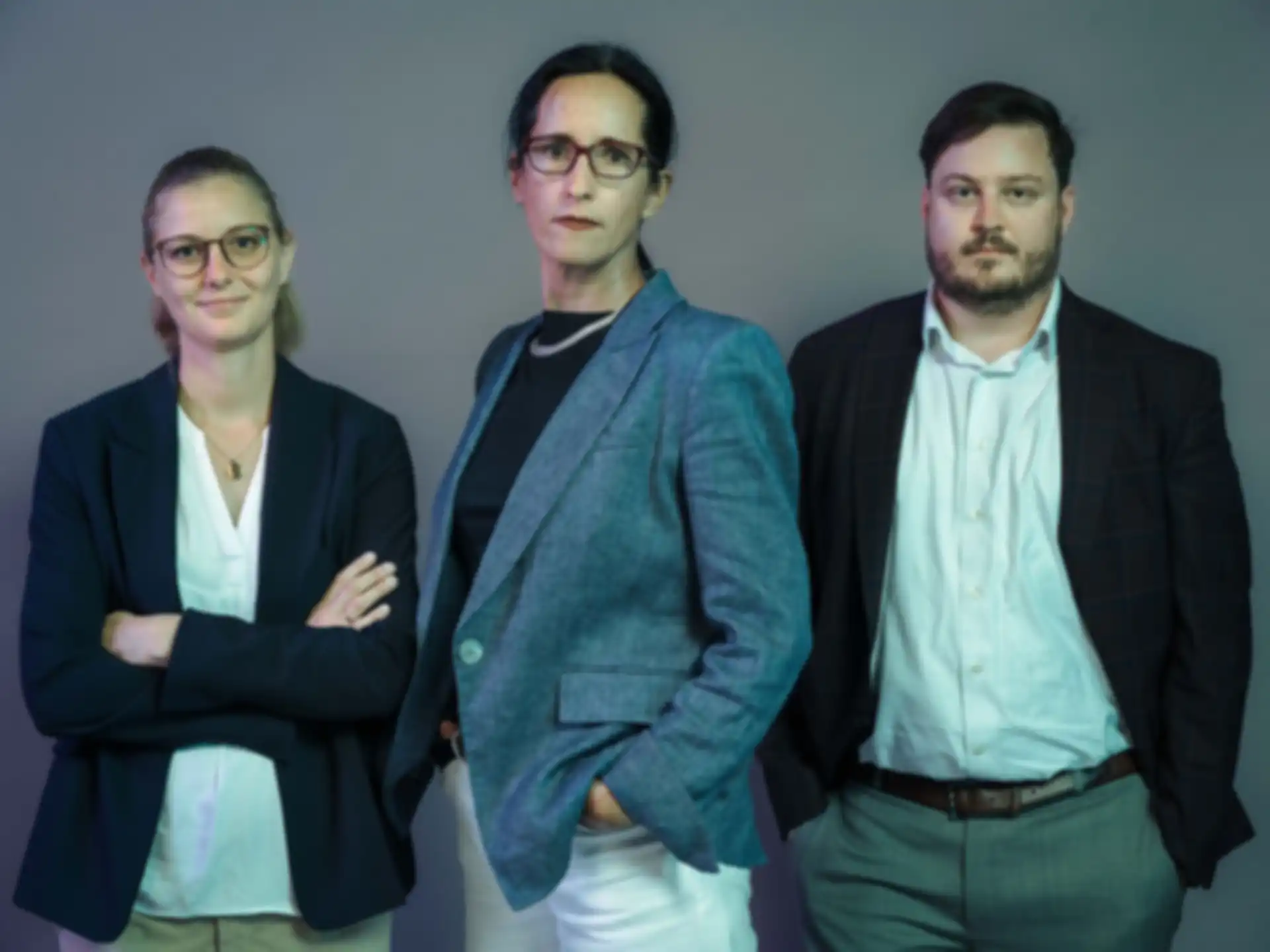
Biomarq Health
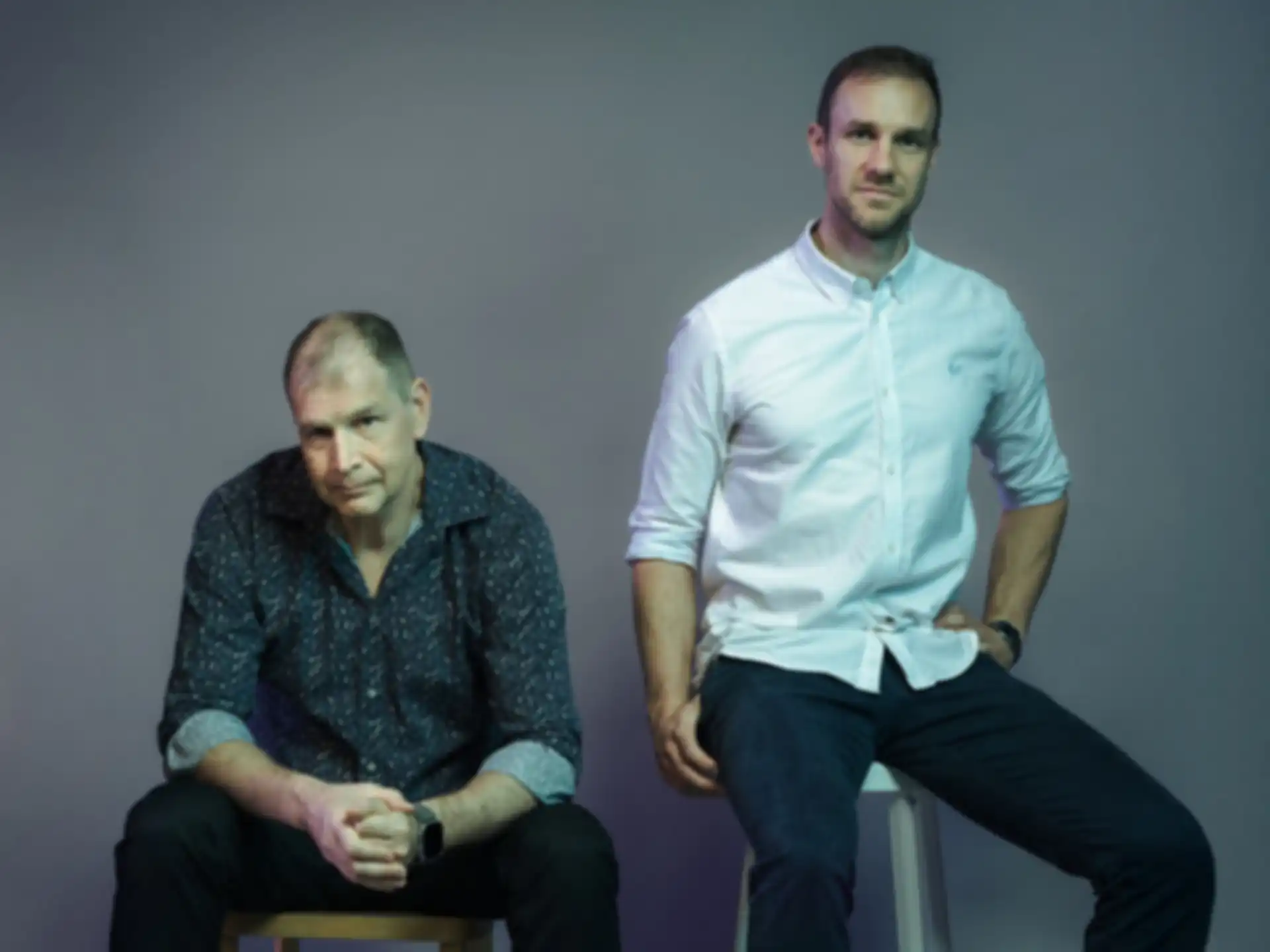
Eve: Continuous Hormone Monitoring for Fertility
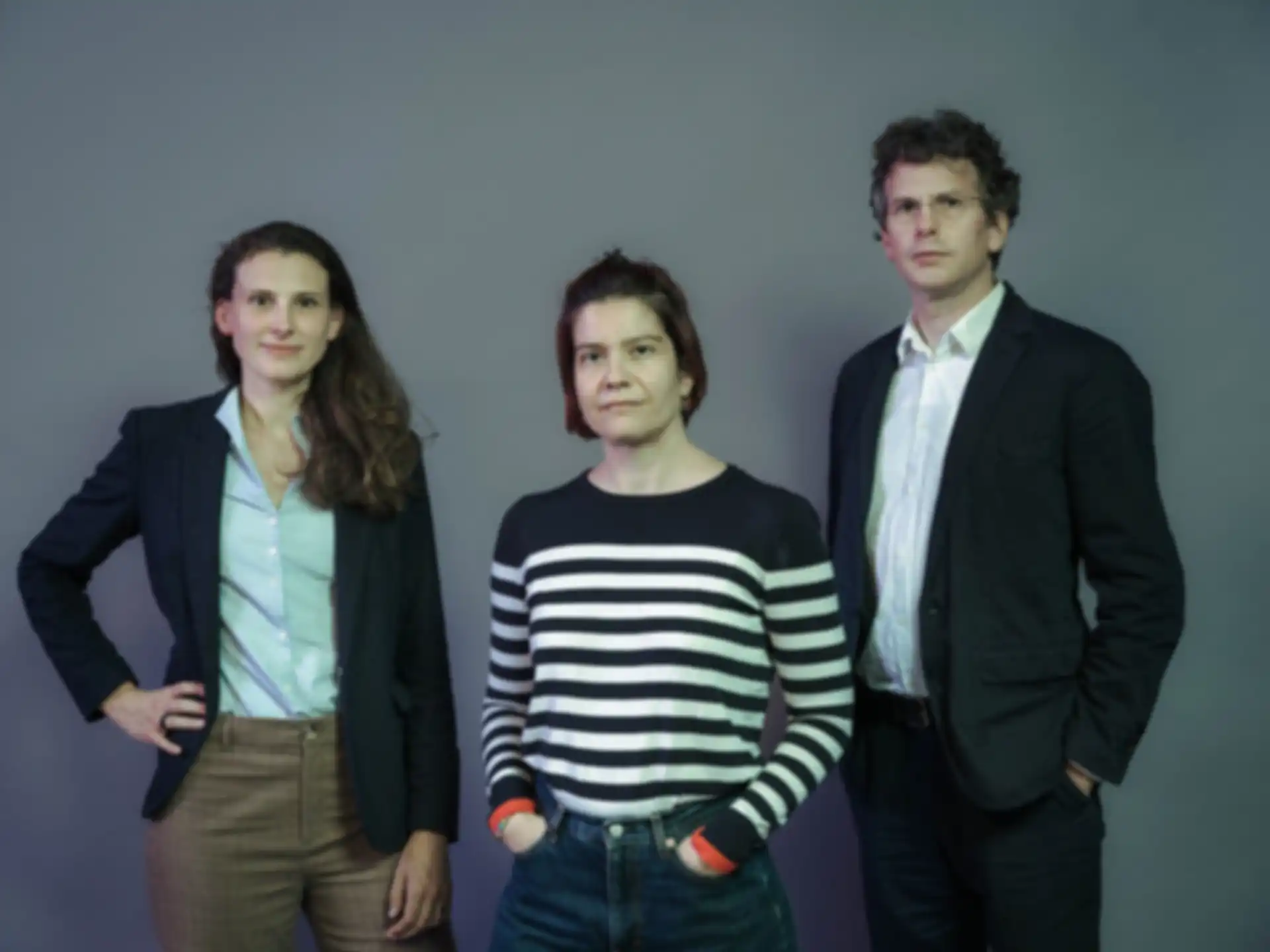
Impli
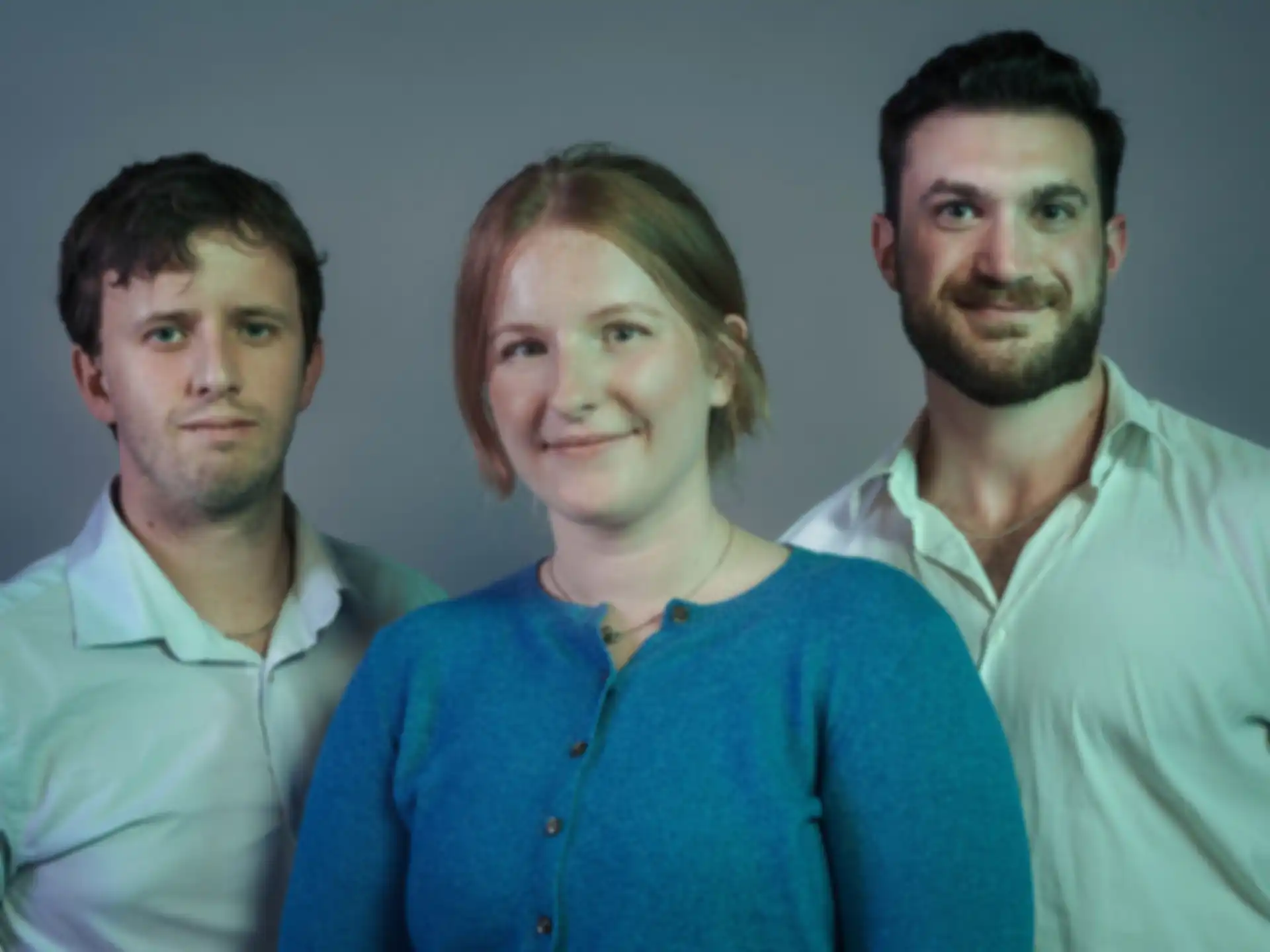
Phoebe: Photonic Continuous Hormone Biosensor
Jury
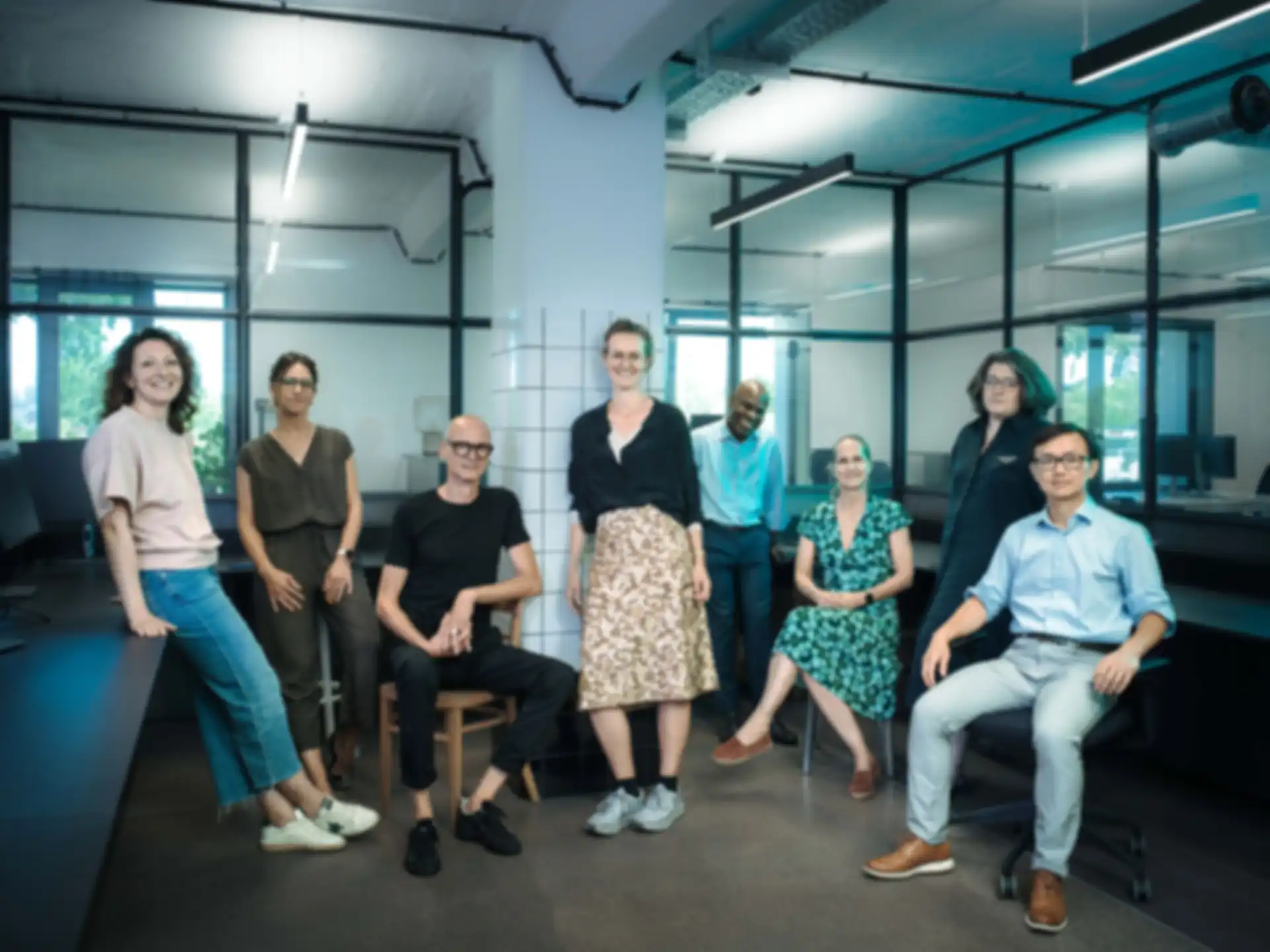

Dr. Natalia Belokoneva
Dr. Giulia Paggiola
Dr. Michael Schoemaker
Prof. Eugene Oteng-Ntim
Prof. Dr. Susanna Hofmann
Rowan Gardner
Prof. Sheng Xu
Dr. Saurabh Tak
Webinar
FAQ
Do you have any questions about the Challenge? Write to us at challenge@sprind.org.

More Challenges and Funken
Fully Autonomous Flight
2.0
The dream of fully autonomous flight is not yet a reality. What is missing are robust systems that can safely navigate complex environments without GNSS or human intervention.

Next Frontier Robotics
We need technological breakthroughs to unlock the next S-curve of multi-purpose robotics made in Europe. Applications are open until October 22.