Unlocking DNA for the Future of CAR T
Turning programmable DNA into a new generation of in vivo cell therapies for cancer, autoimmune disease, and beyond.


CPTx is building the next generation of in vivo CAR T therapies: a non-viral, DNA-based platform designed to overcome these limitations of current cell therapies and enable applications across diverse indications, including oncology, autoimmune diseases, fibrosis, and longevity.
One of the most promising areas of genetic medicine is CAR T cell therapy, with the potential to deliver durable, potentially curative outcomes across diseases ranging from cancer to autoimmune disorders. CAR T therapies work by engineering a patient’s T cells with a chimeric antigen receptor (CAR), enabling them to recognize and eliminate specific disease-causing cells, such as tumor cells or harmful immune cells.
CAR T therapy has saved roughly 50,000 lives, yet today's ex vivo manufacturing model is difficult to scale. Each therapy is built around a bespoke per-patient manufacturing project. The T cells from each patient are first collected through a process called leukapheresis, shipped to a centralized manufacturing facility, genetically modified, expanded, quality-tested, and returned to the treatment center. This process typically takes three to six weeks, during which patients may experience disease progression or become ineligible for treatment. While the therapy itself can cost more than $400,000 per infusion, adding hospitalization and supportive care can create total cost up to $1M.

In vivo CAR T therapies aim to address these challenges by engineering T cells directly within the patient. This approach could improve scalability and accessibility while preserving the transformative biology of CAR T therapy, with the potential to bring these types of therapies to millions of patients across a much broader scope of indications.
Two approaches have led the field so far: mRNA-based and lentiviral-based platforms, each with an inherent tradeoff.
mRNA-based approaches provide T cells with temporary instructions that equip them to recognize and attack disease-causing cells. Because mRNA naturally degrades within days, this effect is short-lived and often requires repeat dosing.
Lentiviral approaches deliver DNA that can remain in the cell long term, giving T cells a lasting ability to recognize and attack their targets. However, lentiviral vectors come with potential safety risks, cannot be easily redosed, and are challenging to manufacture at scale.
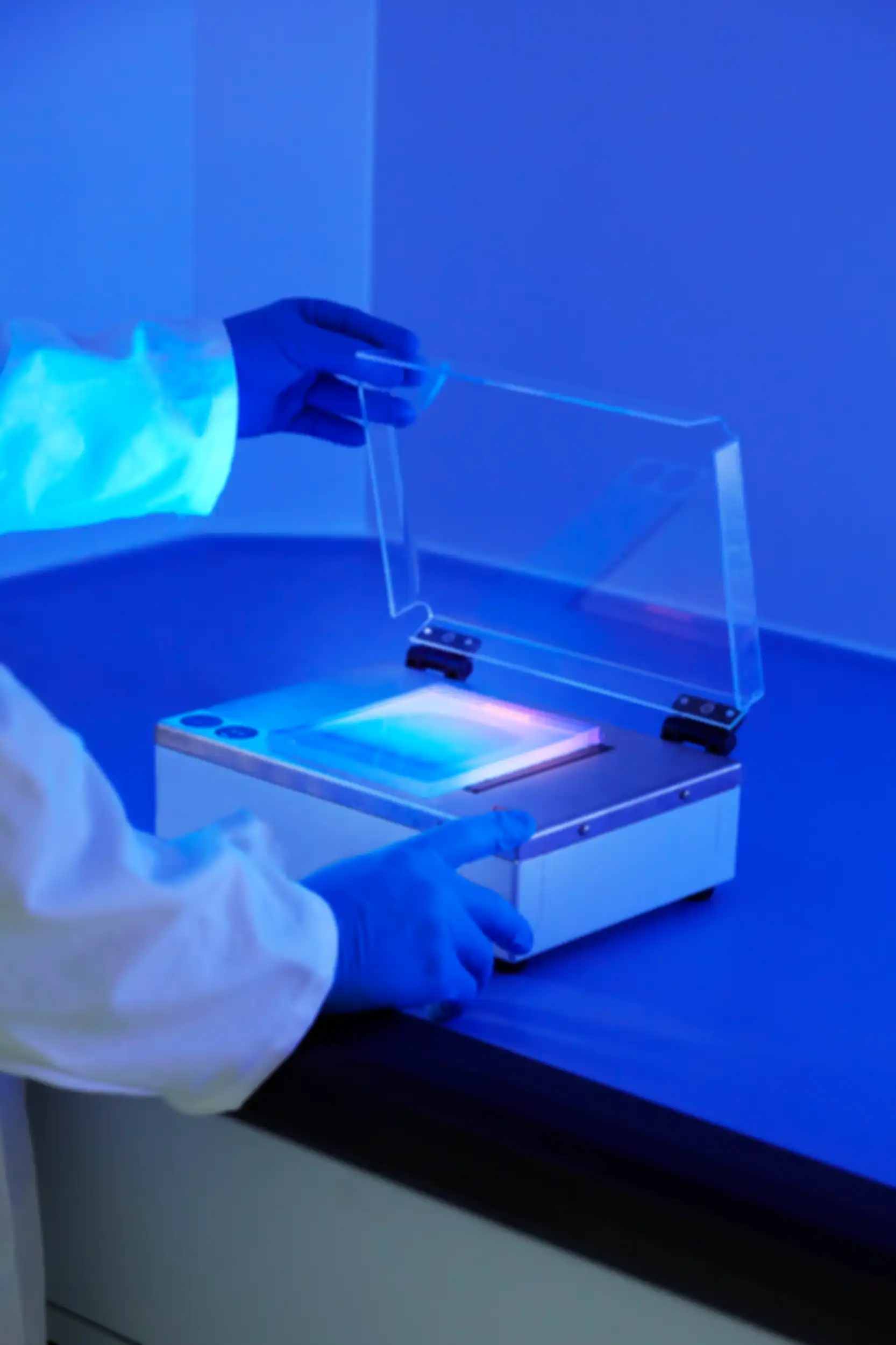
Unlocking DNA as a Therapeutic Vector
DNA was long considered non-viable as a therapeutic vector: double-stranded DNA (dsDNA) activates the cGAS-STING innate immune pathway, triggering an inflammatory response that limits its therapeutic utility. CPTx unlocks DNA's potential with its novel immune-quiet DNA vector, derived from single-stranded DNA, which evades cellular immune sensing mechanisms, reducing safety risks and enabling the engineering of sensitive immune cells, such as T cells. The immune-quiet DNA vector is delivered via a targeted lipid nanoparticle (tLNP) specifically engineered for these payloads. AI-designed targeting proteins confer cell- and tissue-specific tropism, enabling selective delivery to T cells.

From DNA origami to in vivo CAR T
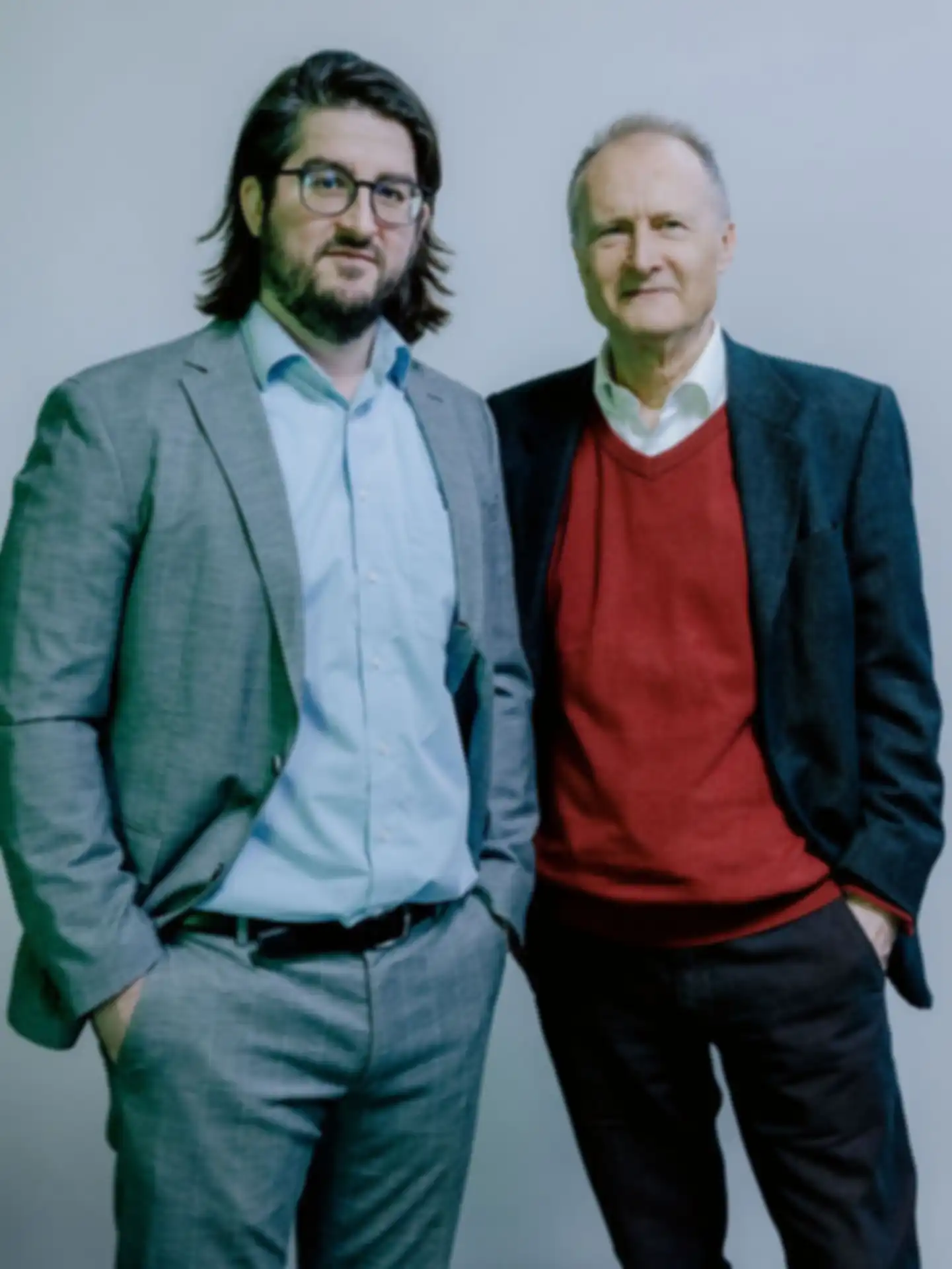
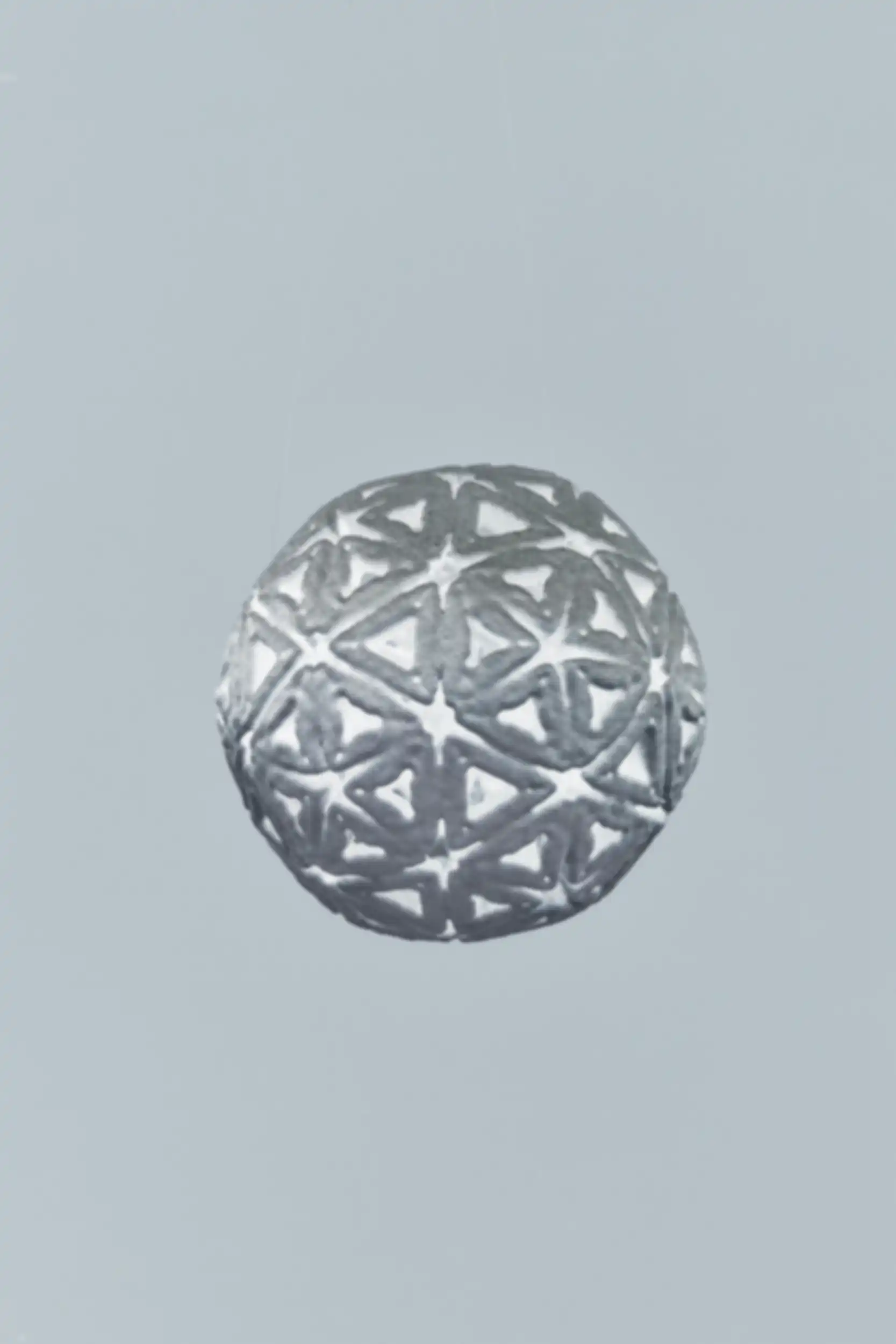
CPTx's expertise in DNA has a long history in academia. Hendrik Dietz, CEO and co-founder of CPTx, is a professor of Biomolecular Nanotechnology at the Technical University of Munich and a pioneering voice in DNA nanotechnology. That expertise led the team to SPRIND's first Challenge on Broad-Spectrum Antivirals in 2021, where they built DNA nanostructures to trap and neutralize viruses - and founded CPTx that same year.
Building DNA nanostructures meant learning how to design, manufacture, and program single-stranded DNA with precision - work that led to the insight that made CPTx what it is today. The same DNA, folded into structural virus traps, is immune-quiet, programmable, and manufacturable at scale - properties well suited to addressing key limitations of current CAR T therapies and expanding their potential to treat severe diseases across oncology, autoimmune diseases, and beyond.
SPRIND’s network of experts and industry contacts helped the team turn that discovery into a company built to bring in vivo CAR T therapies to patients.
SPRIND backs technologies at their earliest, highest-risk stage - the kind of science that hasn't yet left the lab but carries huge innovative potential. That's exactly the stage we were at when we participated in the SPRIND Challenge.
– Hendrik Dietz, co-founder and CEO at CPTx
Based in Munich, Germany and in San Francisco, CA, the team brings together deep expertise in DNA vector design, genetic engineering, cancer and immune cell biology.
CPTx has developed purpose-built technology across every layer of the platform: proprietary immune-quiet and duration-controllable DNA vectors, custom LNP formulations, and targeting strategies that direct the payload to T cells. Its platform is protected by 23 patent families. The company is currently completing preclinical work and advancing its therapeutic programs toward clinical development.

SPRIND and CPTx
WHY ARE WE COMMITTED CAR T therapy has already proven its potential and has helped save approximately 50,000 lives. Yet today’s therapies remain constrained by complex manufacturing and limited scalability. We see this as an engineering problem and an opportunity to help more patients by developing innovative approaches that overcome these barriers. We believe CPTx’s DNA-based in vivo CAR T platform has the potential to address this bottleneck and make CAR T therapy accessible to many more patients.
WHAT WE DO CONCRETELY CPTx is a leader in developing the next generation of non-viral, DNA-based in vivo CAR T cell therapies, uniquely overcoming key challenges in both oncology and autoimmune disease. CPTx is translating breakthrough academic science into therapeutic products that can reach patients.
THIS IS THE POTENTIAL WE SEE
Unlocking the potential of DNA to bring CAR T to the patients who need it.
More about CPTx: www.cptx.bio