RESISTORS WITH BRAINS
Using memristors to store and process the growing flood of data
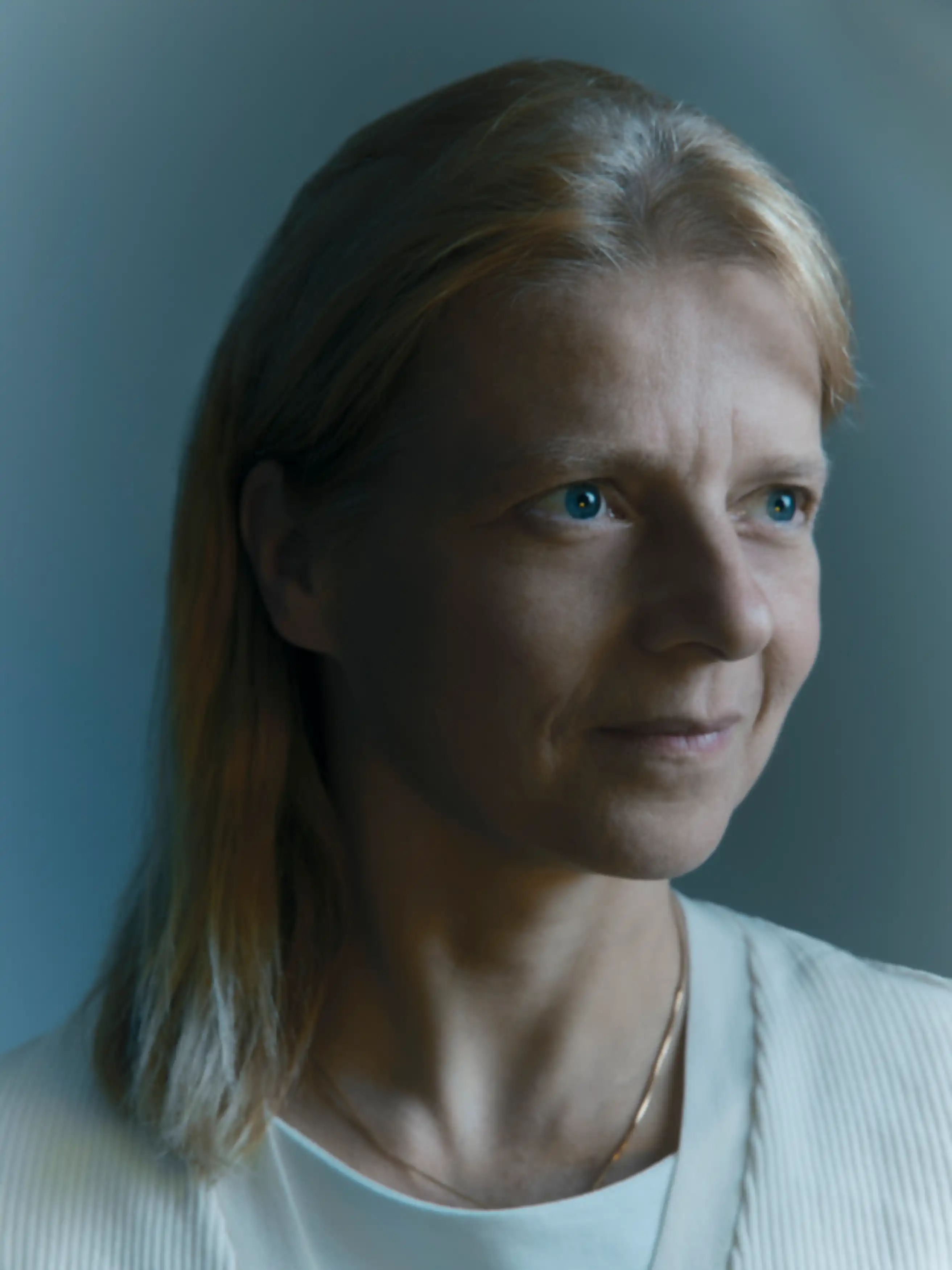
Science can be a tedious business – and very few scientists plan to become entrepreneurs in the process, certainly not when they are in the deep-tech field of electronic circuits. These circuits are customarily constructed with different active components and three passive electric components – coil, capacitor, and resistor –which link the measurands current, voltage, charge, and magnetic flux. However, as early as 1971, physicist Leon Chua postulated that, for reasons of symmetry, a fourth, passive electronic component must exist that directly links the charge and magnetic flux. Another special feature of this component, he hypothesized, is that it could remember
the flow charge and the generated magnetic flux. Out of the words memory
and resistor,
Chua called this component memristor. Since then, there have been many basic approaches that could be considered memristive, but so far no one memristor component could store both digital and analog data as well as compute it. That is, until Prof. Dr. Heidemarie Krüger and her team at the Helmholtz-Zentrum Dresden-Rossendorf conducted research on magnetic properties of materials and discovered an iron-based material in 2011 that matched the properties Chua described.
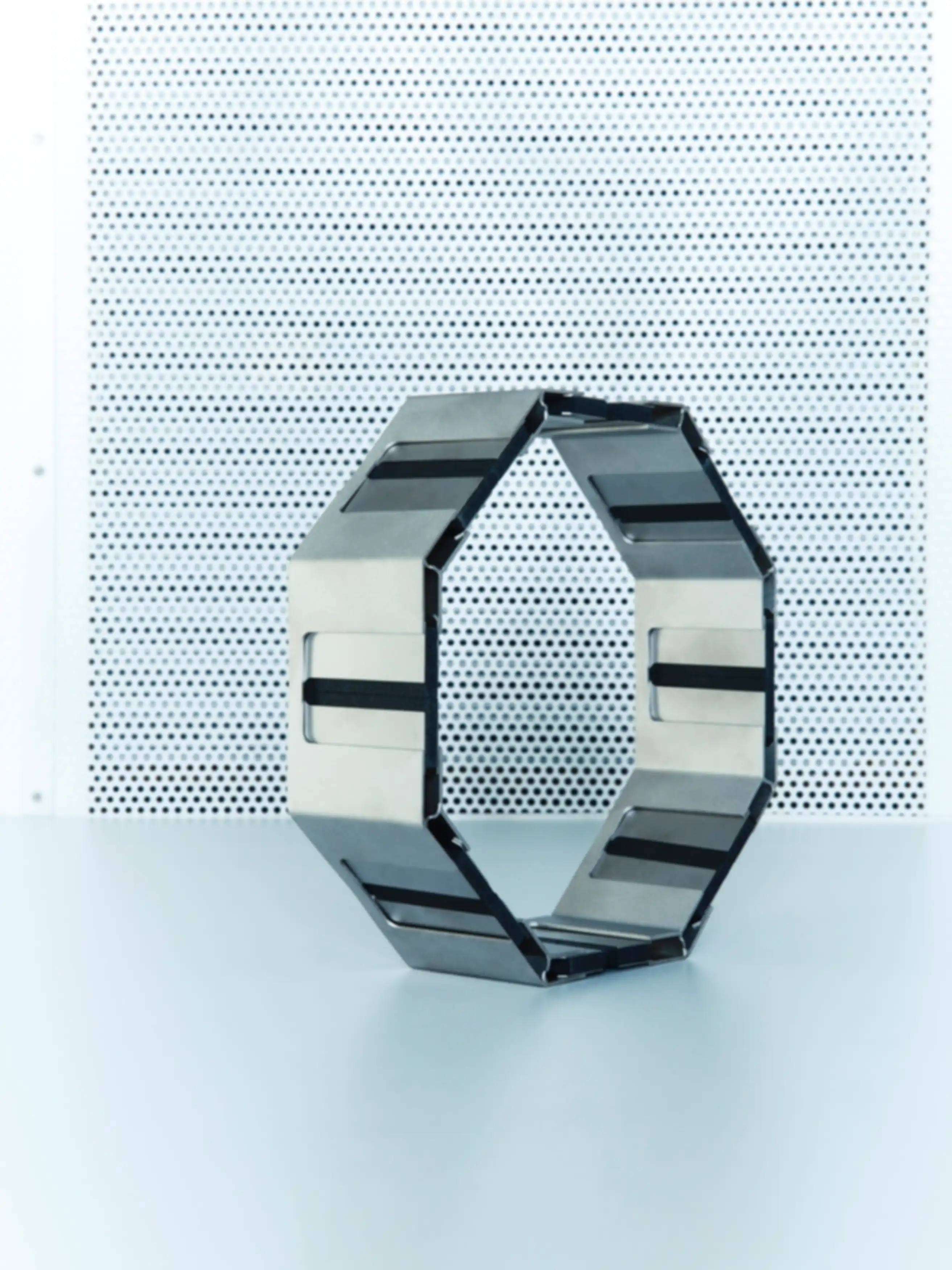
The memristor is a component with a specific resistor that can be measured and selectively changed. It is like a synapse in the brain – a component with memory value. The TiF memristor calculates certifiably, meaning transparently, repeatably, and trustworthily, and it remembers the calculation result.
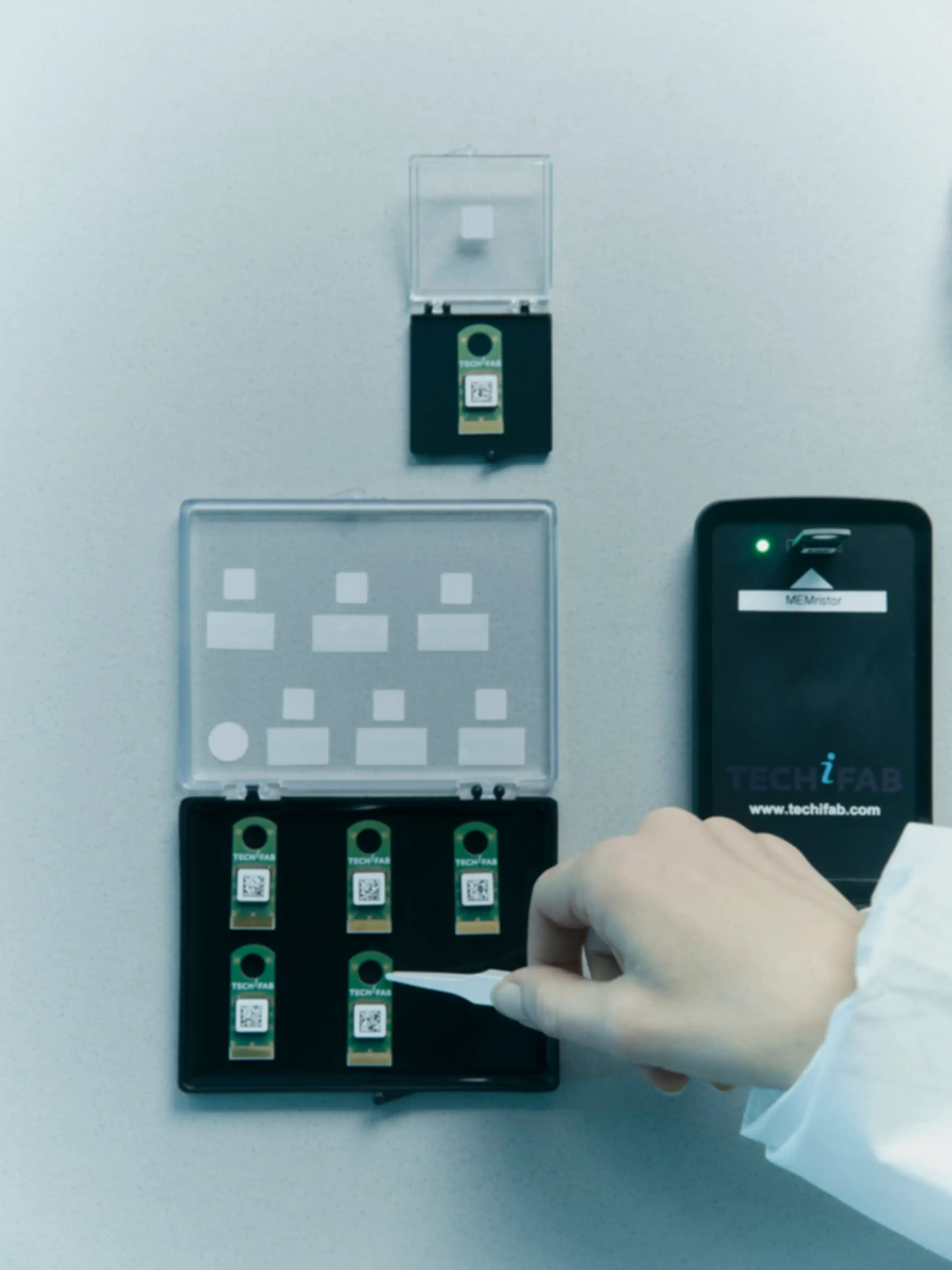
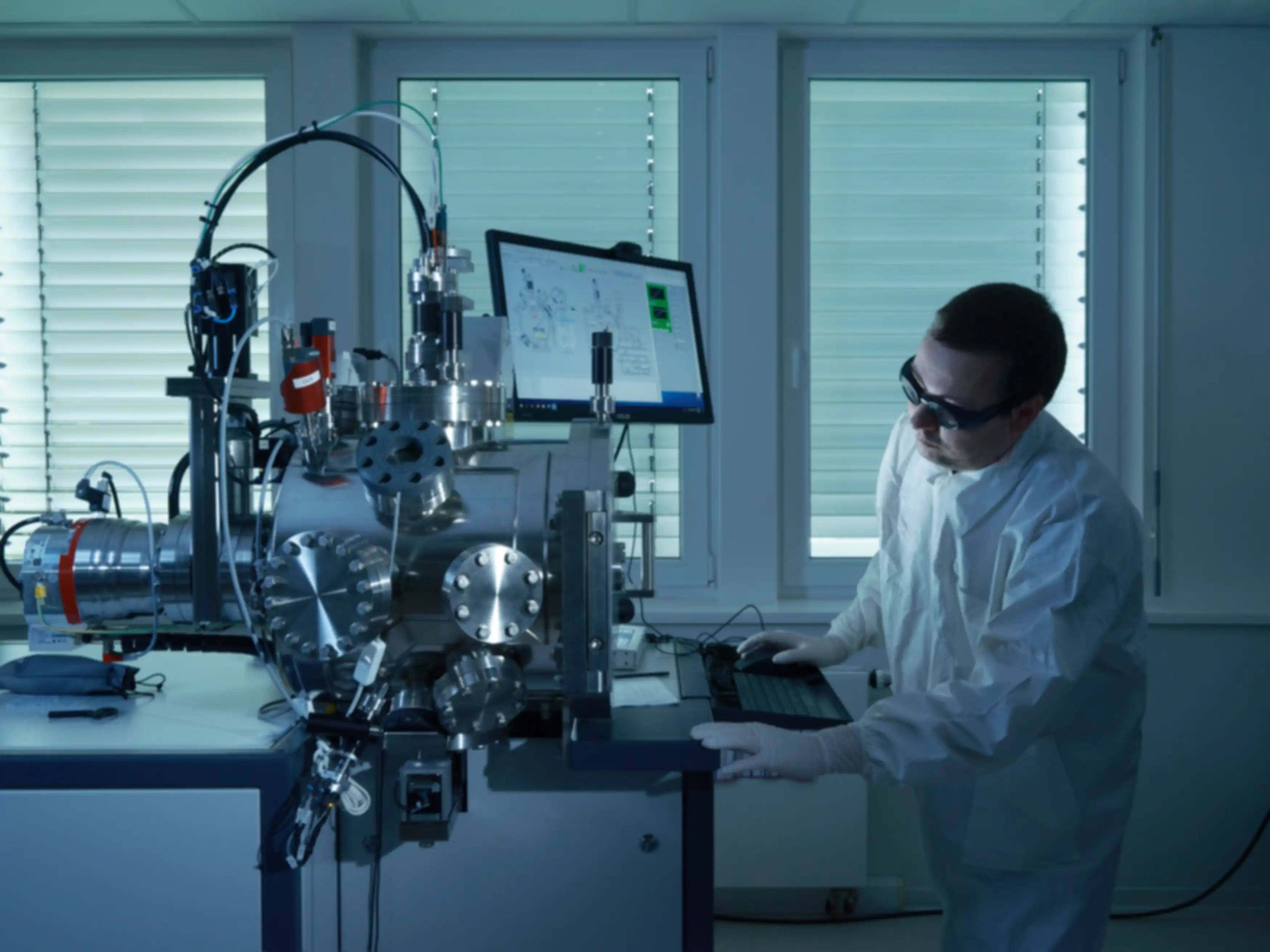
Heidemarie Krüger first investigated the discovery as part of a Heisenberg Fellowship from the German Research Foundation and continued to develop it, until she founded a company to manufacture the new components for resource-efficient electronic circuits, prepare for mass production, and to develop and market the applications. The project validation by SPRIND that started in 2021 proved the memristor meets the requirements for a storage medium and that, by storing digital as well as analog data, it is even better. In the SPRIND New Computing Concepts Challenge from 2022 to 2023, scientists tested new technologies around neuromorphic computing structures. Ultimately, MemLog was founded in spring 2023 and continues to maintain close cooperation with the Helmholtz-Zentrum Dresden-Rossendorf and other research institutions.
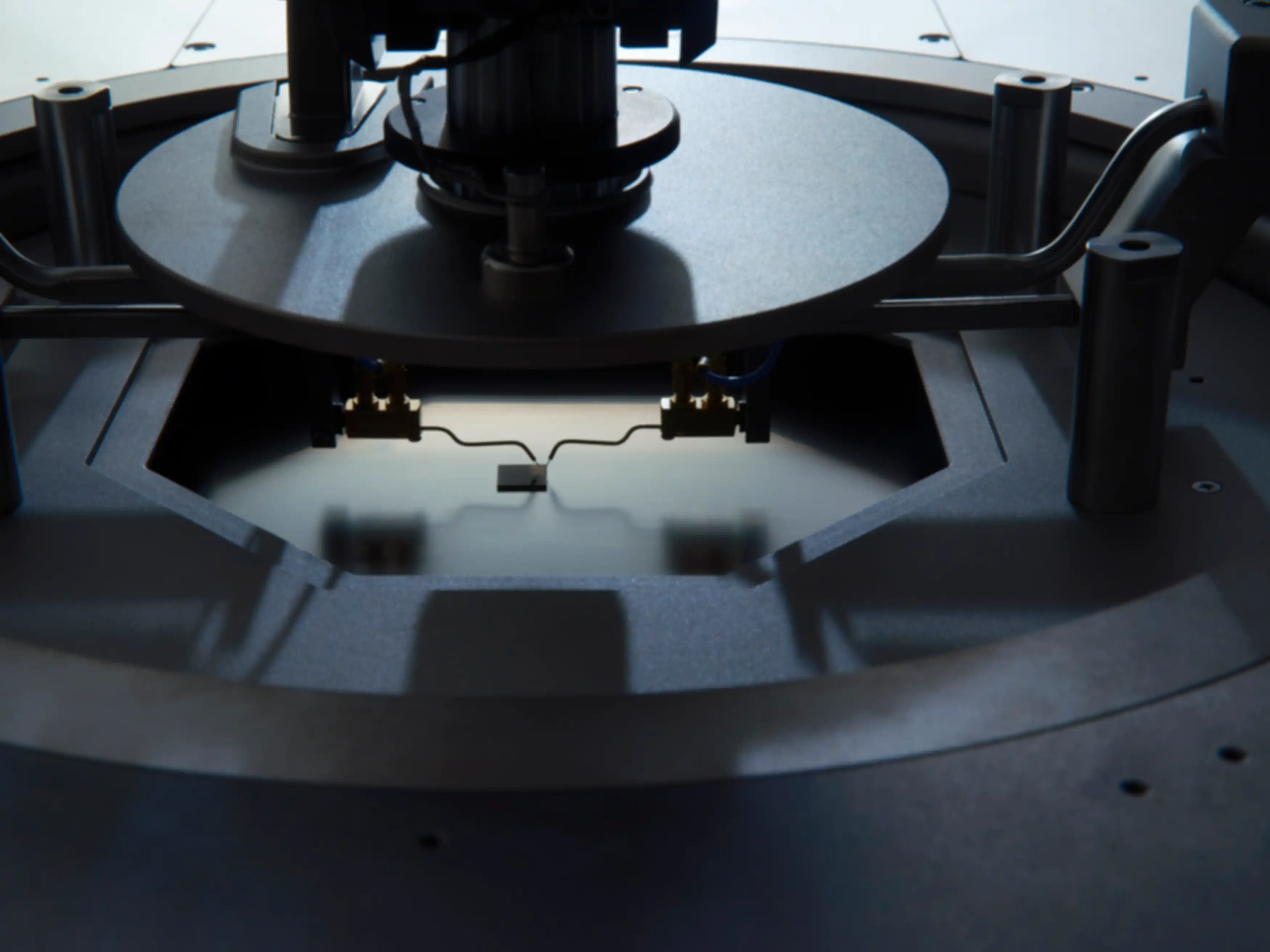
The fusion of memory and processor: The TiF-memristor can calculate, process data, and establish a completely new computer architecture.
Demand for these new electronic components is immense. Conventional computer architectures have long since reached their limits, and storing data requires enormous amounts of energy. To date, the exponential increase in the use of devices has raised energy demands for computing by a factor of 1.38 every ten years, for example from 1.67 to 2.31 petawatt hours between 2010 and 2020. By 2030, energy demand for AI computing is projected at 3.18 petawatt hours. Processors, specifically between memories and cores, demand a lot of this energy for continuously occurring data transfer, which also massively slows down the computing power at the same time. For example, the computing time required to train complex AI networks has increased tenfold every year since 2010. New, neuromorphic computing architectures will circumvent all this by using memristors, which combine memory and processor functions in the same component.
If MemLog succeeds in establishing and maintaining our production in Saxony, Germany and Europe, we have the chance to create cutting-edge technology locally that will advance us economically, have a positive impact on the environment, nature and society, and process the exponentially growing volumes of data in a more resource-efficient manner. Krüger says that she has always felt greatly compelled to do research, but like so many scientists, she never considered founding a company; lab work sufficed. Therefore, she is all the more excited to see her discovery on its way to being applied in edge sensors for quantum detection very soon and, in the near future, in edge computing for neuromorphic computer architectures.
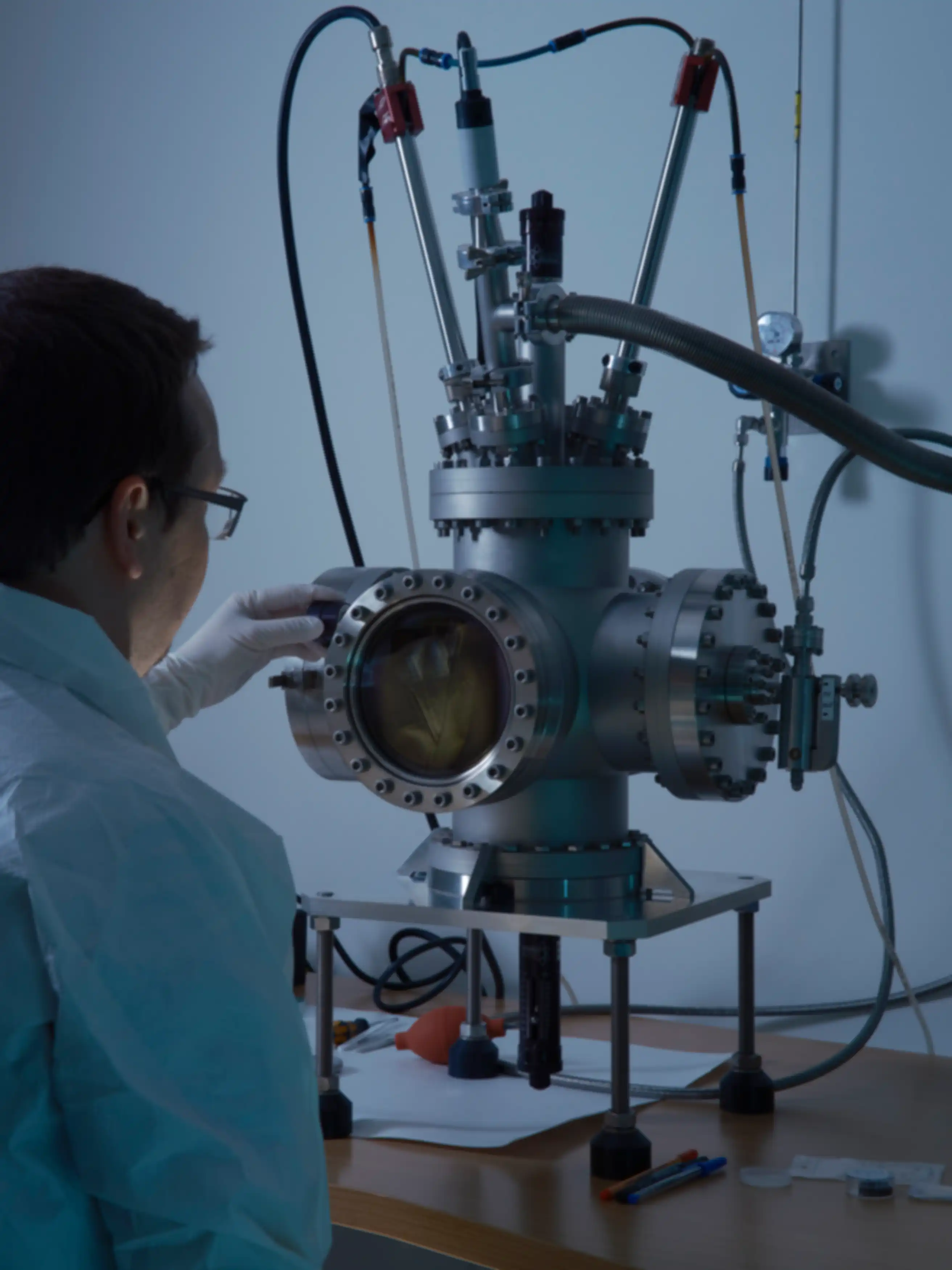
Now it is up to MemLog to each develop and market memristor hardware and software. To do so, the company would like to focus on partnerships with people who have eagerly been awaiting the memristor technology and reach out to all those who want to test their application ideas for AI—both in hardware and in real time—starting with small numbers and incrementally scaling up. The first components are already available. The major goals include establishing collaborations and finding initial users, for example in the automotive industry, vehicle and mechanical engineering, in medical or measurement technology, energy supply or semiconductor production.
More information: memlog-fab.de
SPRIND UND MEMLOG
THIS IS WHY WE ARE COMMITTED Because with the help of the bismuth iron oxide (TiF) memristor, we can overcome existing limitations and lay new foundations for higher computing performance and energy efficiency. Because the TiF memristor not only has the potential to complement the current von Neumann architecture, but it also makes the computing architecture of the future possible. Because the TiF memristor has the potential to establish a variety of innovations in different markets.
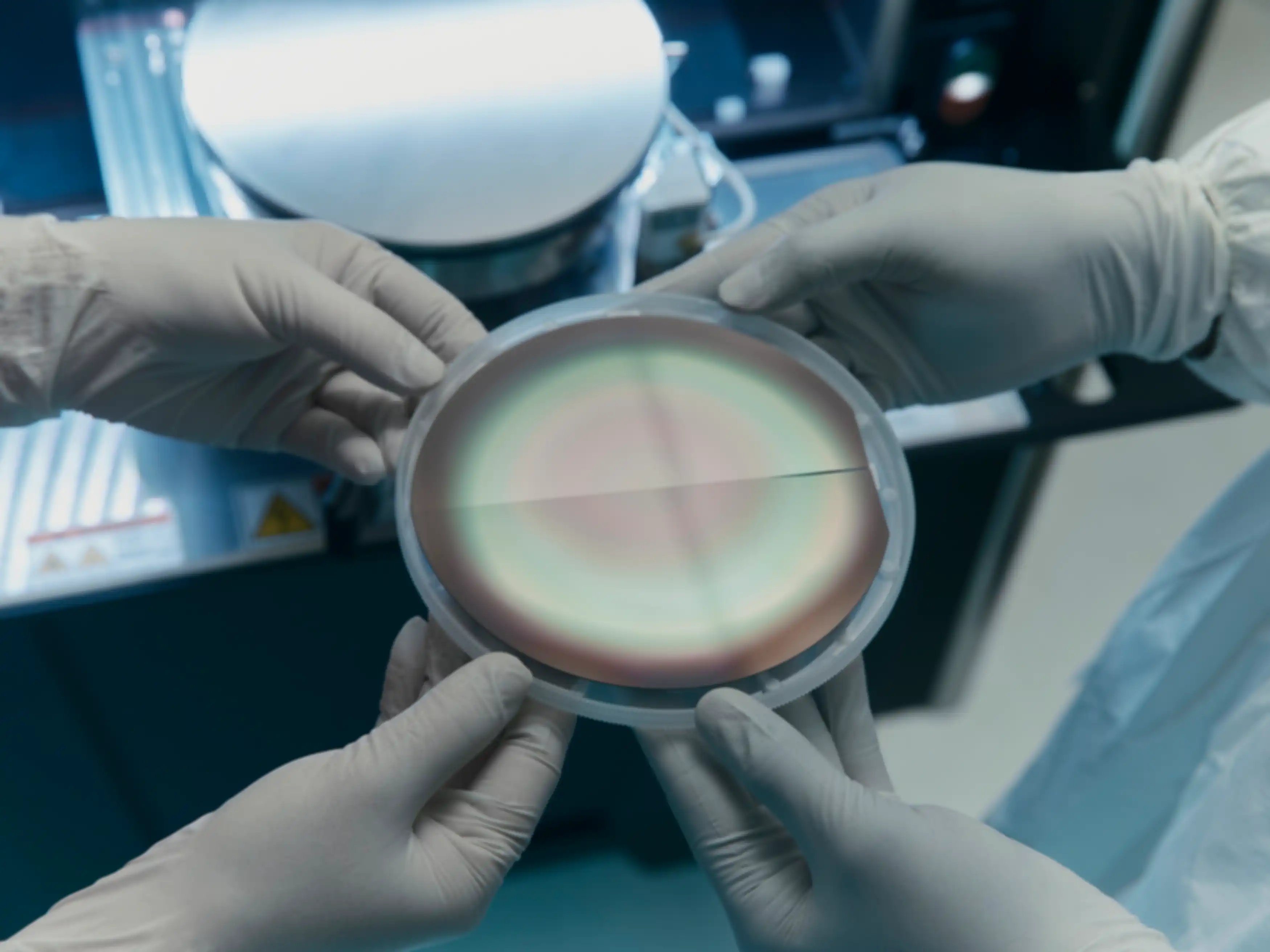
WHAT WE DO Create a company from a research project. The developers are given the space and resources to further develop memristor technology.
ESTABLISHING KEY TECHNOLOGY IN EUROPE Developing TiF memristor technology in Germany establishes a key technological innovation in Europe and thus promotes Germany as a place for innovation.
NETWORKING AND THINKING BIGGER SPRIND relies on its own wide network of experts. With its diverse contacts to partners and users, SPRIND is driving the project forward and helping to apply the technology as quickly as possible.
Science YouTuber Dr. Jacob Beautemps visited MemLog and presents the project in the video