4/20/2026
SPRIND CHALLENGE ON CRITICAL METALS
In the interview: SPRIND Innovationsmanager Patrick Rose on where the USA copies German innovation policy
A summary of the conversation was first published on Table.Briefings (Research.Table).
With the Tech Metal Transformation Challenge, the Federal Agency for Breakthrough Innovation SPRIND intends to establish a new recycling industry. Now the National Science Foundation is getting involved. A conversation about speed, technology and transatlantic cooperation.
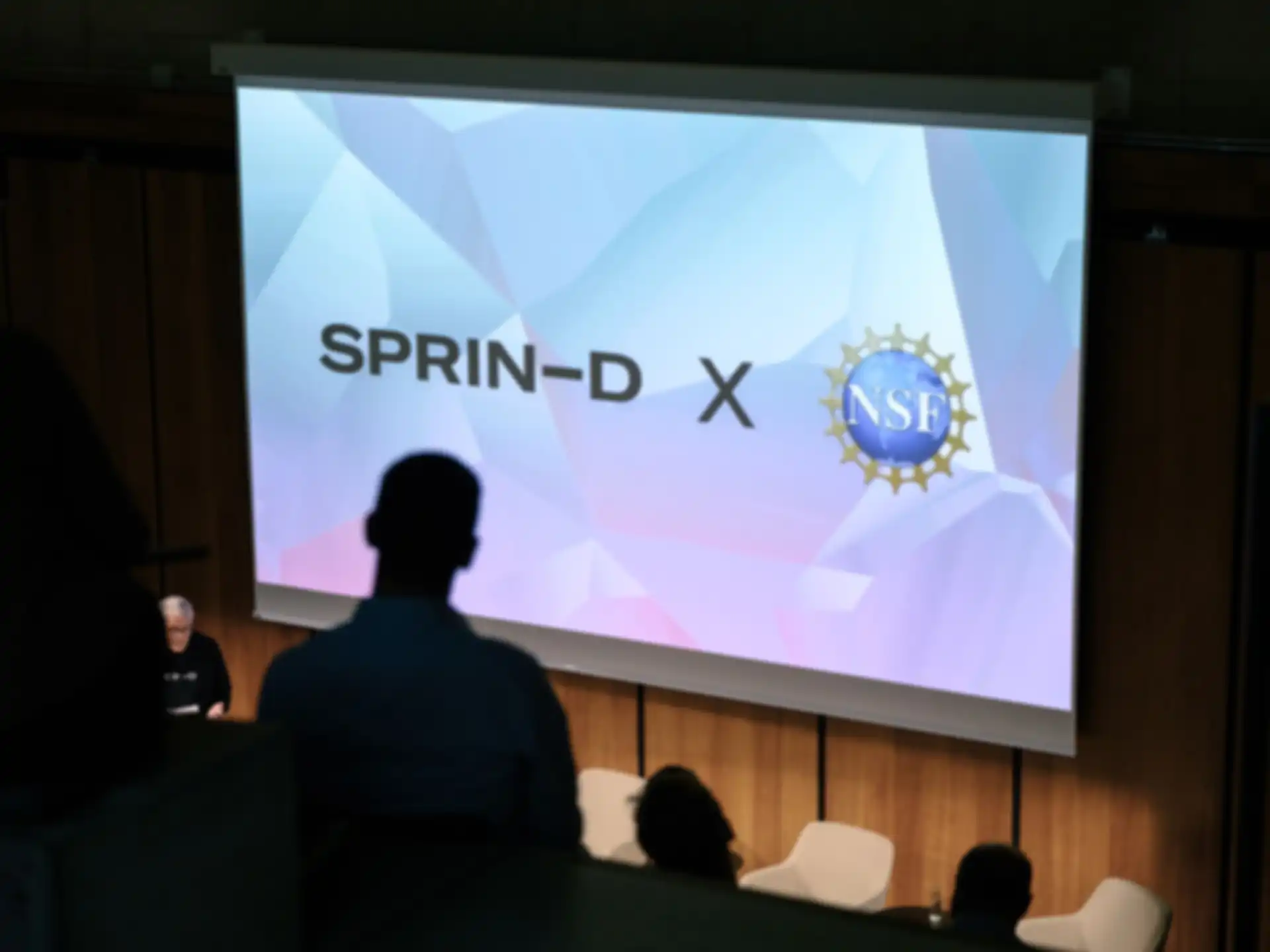
In the fall of 2025, SPRIND launched an international Challenge to develop new processes for the recovery and recycling of critical metals. At the same time, the US National Science Foundation (NSF) initiated an almost identical challenge and selected its winners at the end of March. The two programs will be merged in Germany in December.
MR. ROSE, LET’S START WITH THE BASIC IDEA: WHAT IS BEHIND THE TECH METAL TRANSFORMATION CHALLENGE?
PATRICK ROSE: The Challenge arose from a fairly clear observation: Our current recovery/recycling processes for metals, especially rare earths minerals, are inefficient. Many valuable materials are lost, incinerated, or end up in the environment. At the same time, demand is enormously increasing: the need for various metals is driven by the rapid expansion of novel battery technologies and by the exponential growth of data centers. It is for this reason that we decided to tackle the following: can we develop completely new, even unconventional technologies to recover these metals out of complex electronic waste streams?
WHAT DOES UNCONVENTIONAL
MEAN IN THIS CONTEXT?
PR: We are challenging the status quo of how things should be done. We seek solutions that might seem alien, non-traditional, seemingly ‘crazy’, but that bring a new perspective to solving this very difficult problem. The status quo says how things are done today, and we say that we do not accept the status quo and look for other alternative solutions. Furthermore, we deliberately embrace an interdisciplinary approach. Consider the use of biotechnology. There are bacteria that can absorb and accumulate metals. These processes can now be controlled in a precise manner. Combined with chemical and material science approaches, this combination of tools opens up completely new possibilities. Our aim is not only to recover metals, but also to process them directly, for example, into nanoparticles or new alloys. We do not want to produce energy-intensive recovery processes; instead, we seek complete solutions that directly allow the use of the recovered materials by consumer industries.
AND THIS HAS OBVIOUSLY ALSO ATTRACTED INTERNATIONAL ATTENTION. THE NATIONAL SCIENCE FOUNDATION HAS LAUNCHED ITS OWN CHALLENGE BASED ON THE GERMAN MODEL.
PR: Yes, which is an exciting development. The NSF looked at various programs around the world and decided to carbon copy the SPRIND Challenge model and build their version. That does not happen often – normally the USA tends to adapt such concepts to its own system.
WHAT DID THE NSF LIKE ABOUT IT?
PR: Three things in particular: Speed, execution power, and our focus on company building. We get teams to not only develop technologies within a short space of time and mature the technology quickly; they are incentivized to create new companies. This combination of research and market orientation was new and very attractive to the NSF.
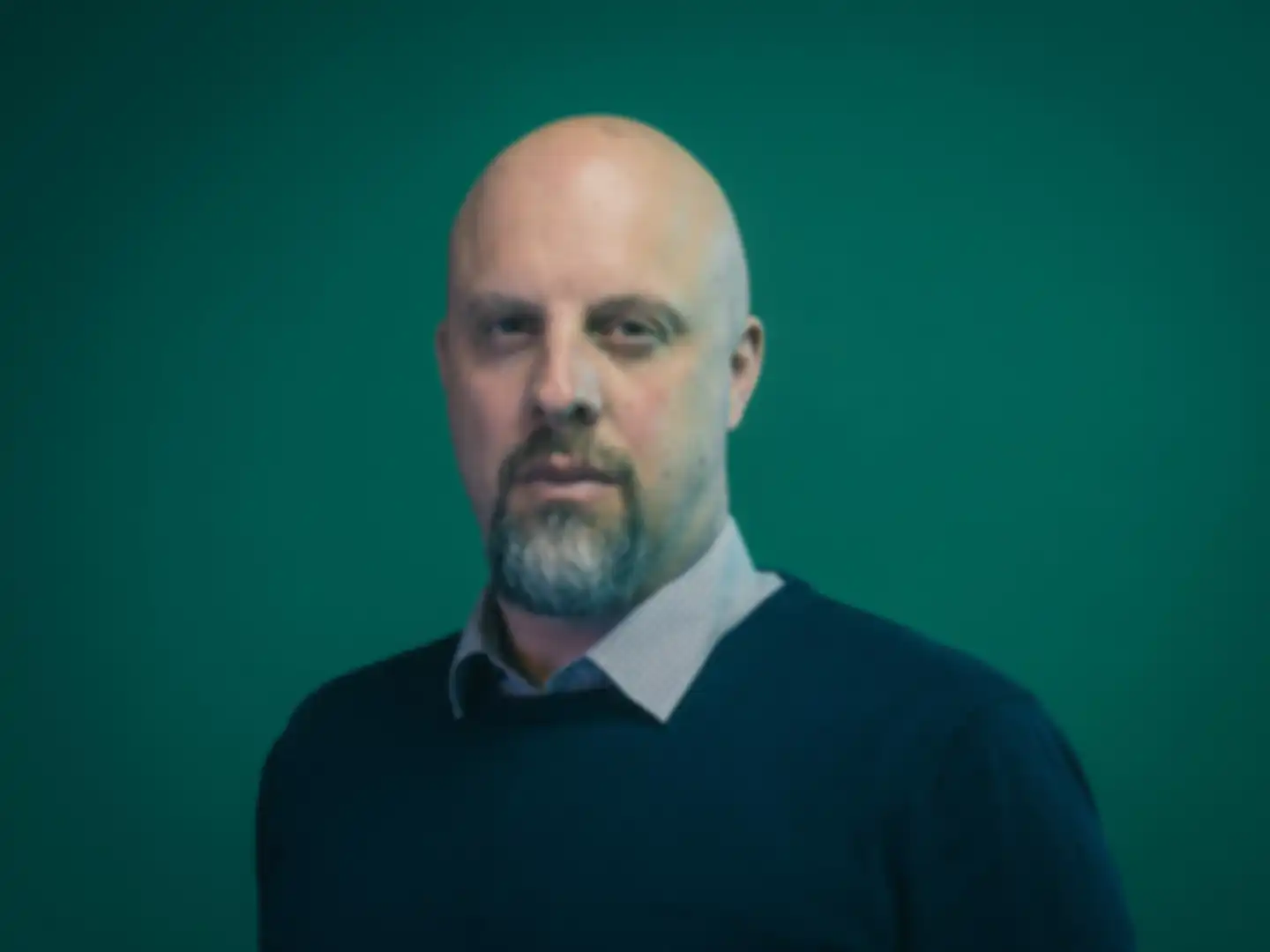
Innovation rarely works in a vacuum.
Innovation rarely works in a vacuum.
IS SUCH A CHALLENGE EVEN TRANSFERABLE ONE-TO-ONE BETWEEN GERMANY AND THE USA?
PR: In terms of content, yes, but structurally the USA had to make some adjustments. The NSF has traditionally had a strong focus on basic research. To achieve our speed, they created novel, external structures and introduced new contract mechanisms. This implementation shows how much interest there was in actually implementing this model.
THE TWO CHALLENGES RAN IN PARALLEL. IN THE FUTURE, THERE WILL BE CLOSER COOPERATION. WHAT DOES THAT LOOK LIKE IN CONCRETE TERMS?
PR: In the coming months, we will be bringing the teams from both programs together. There will be joint workshops, mentoring and exchange formats. The programs will be fully aligned by December, when the selection for the next phase will be made – together.
WHAT DO YOU HOPE TO GAIN FROM THIS?
PR: Above all, a stronger transfer of knowledge. In our European program, we can already see that teams benefit from each other, complement each other, and some might even join forces in the future. If we now scale this internationally, a much larger innovation ecosystem will emerge. More perspectives, more talent, more ideas, more speed, and most importantly more superior solutions that would otherwise never materialize. Together we are stronger and better.
WHY SHARE AN OBVIOUSLY PROMISING MODEL INSTEAD OF USING IT EXCLUSIVELY?
PR: Because innovation rarely works in a vacuum. Different cultures and approaches often lead to better solutions. The USA brings an enormous appetite for risk taking and it is a powerhouse for capital strength. Meanwhile Europe brings efficiency, ingenuity, and engineering skills. If you combine the two, both sides get more out of it.
SPRIND spirit: risk appetite, ability to celebrate failure, openness to unconventional and iconoclastic approaches
KEYWORD CAPITAL: WHAT BUDGET DOES SPRIND PROVIDE FOR THE PROGRAM?
PR: SPRIND is investing around 40 million Euros over three years. The NSF is matching this amount. Remember though it is not only the volume of funds that is important; rather it is the aligned structure and execution process, which creates a new culture and thinking of how to drive disruptive innovation. We are also hyper-focused on driving rapid technology development. In this context it means, that teams are incrementally financed and at the same time, as this Challenge is a competition, we remove teams from the competition. In sum that means that the remaining teams receive more financing from SPRIND and NSF. This approach creates competition, but also focus. It is not just about the money. We support the teams very closely – with mentoring, network access, and prospects for follow-up financing.
ARE THERE ANY RESTRICTIONS ON COOPERATION UNDER THE CURRENT US ADMINISTRATION?
PR: Yes, there are restrictions; however, they affect less our ability to cooperate. The way we communicate our programs is different. The US has a different narrative for this topic as we do in Europe. Terms such as recycling
or sustainability
are much less a priority today, which is why the term recovery
is used more frequently to highlight the economic benefits.
DOES THIS HAVE A CONCRETE IMPACT ON YOUR WORK?
PR: No it does not. The cooperation at the working level is exceptional. While the narrative across the Atlantic will be nuanced, the message is clear: securing critical raw materials, developing new technologies and creating economic prospects.
IS THIS TRANSATLANTIC COOPERATION A BLUEPRINT FOR COOPERATION WITH OTHER COUNTRIES?
PR: We are already in talks with other countries – in Europe and Asia, for example. We hope to expand our collaboration with other countries; however, it is important that we maintain our fast, bold and results-oriented approach. Our approach is non-negotiable because we hold dear certain tenets and values that must be the foundation for our Challenges. Anyone who works with us must embody this spirit when considering working with us. We want to develop technologies that can truly disrupt the ecosystem, which means our partners have to be willing to have the same risk appetite, the same ability to celebrate failure, the same openness to unconventional and iconoclastic approaches, and if companies emerge from such a Challenge that change the market in the long term, then we will not only have solved a recycling problem, but also created a new branch of industry.
More about this topic
Magazine Articles
Challenges and Funken

Tech Metal Transformation
We are looking for innovative processes to recover critical metals from complex waste streams such as electronic waste, batteries, or electronic components. During the Challenge, an integrated prototype system is to be developed.
More Magazine Articles