4/1/2026
FUNCTIONAL HUMAN TISSUE, 3D-BIOFABRICATED
Cellbricks Therapeutics secures seven million in funding round
For patients suffering from significant soft tissue defects – whether from extensive burns, complex wounds, traumatic injuries, or surgical resections – medicine still relies too often on compromise solutions: invasive transplantation procedures, synthetic implants, and treatments that may restore form imperfectly but rarely restore living physiological function.
This is precisely what Cellbricks Therapeutics aims to change. The Berlin-based start-up is currently focusing primarily on major unmet needs in reconstructive surgery, wound healing, and trauma care. The company's lead programme for vascularised fat tissue transplants aims to treat complex soft tissue defects and provide biological alternatives to synthetic implants, including in breast reconstruction following mastectomy. The need is clear for both patients and clinicians: better biological integration, faster vascularisation, and improved functional outcomes. Interest in Cellbricks' technology is also being signaled from military circles and defence-affiliated research institutions regarding wound treatment applications.
Confidence in this approach is also reflected on the investor side: Cellbricks has now announced a funding round of seven million euros, which will enable the next phase of translational development of its biofabricated human tissues. Following successful implantation and functionality of the 3D-printed tissue constructs demonstrated in preclinical mouse studies, validation is now underway in large animal models, particularly pigs, to further substantiate clinical applicability.
The funding round was led by Silicon Roundabout Ventures, with participation from Federal Agency for Breakthrough Innovation SPRIND, existing investor ACT Venture Partners, and an investor group that has been supporting Cellbricks long-term. Discussions are currently underway for an additional three million euros, including from various research funding programmes.
SPRIND recognised potential already in 2023
SPRIND launched the Funke competition Tissue Engineering
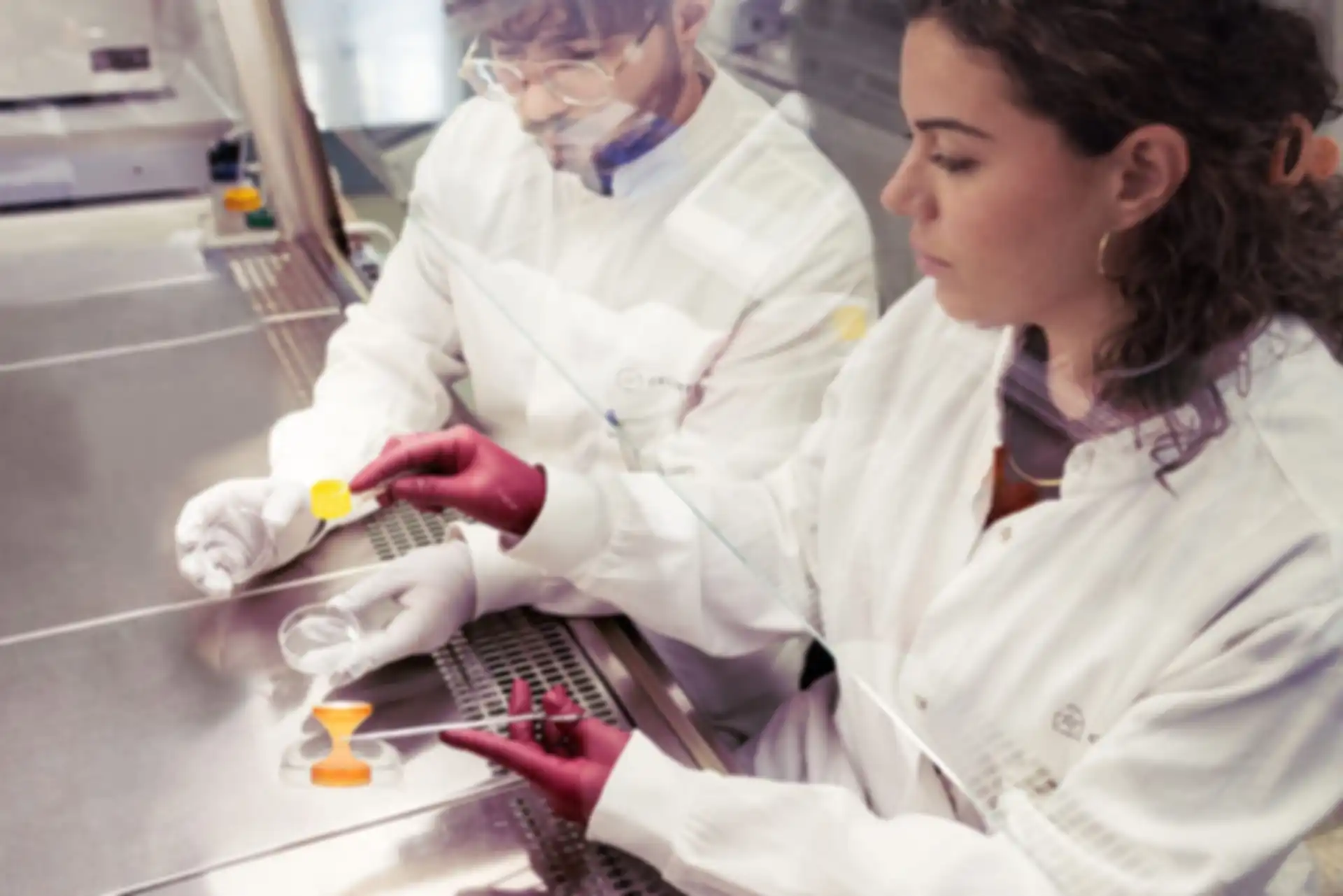
in 2023 to advance the development of innovative technologies for the production of tissues for human medical applications. Cellbricks was one of four teams that were each awarded a contract of 500,000 euros.
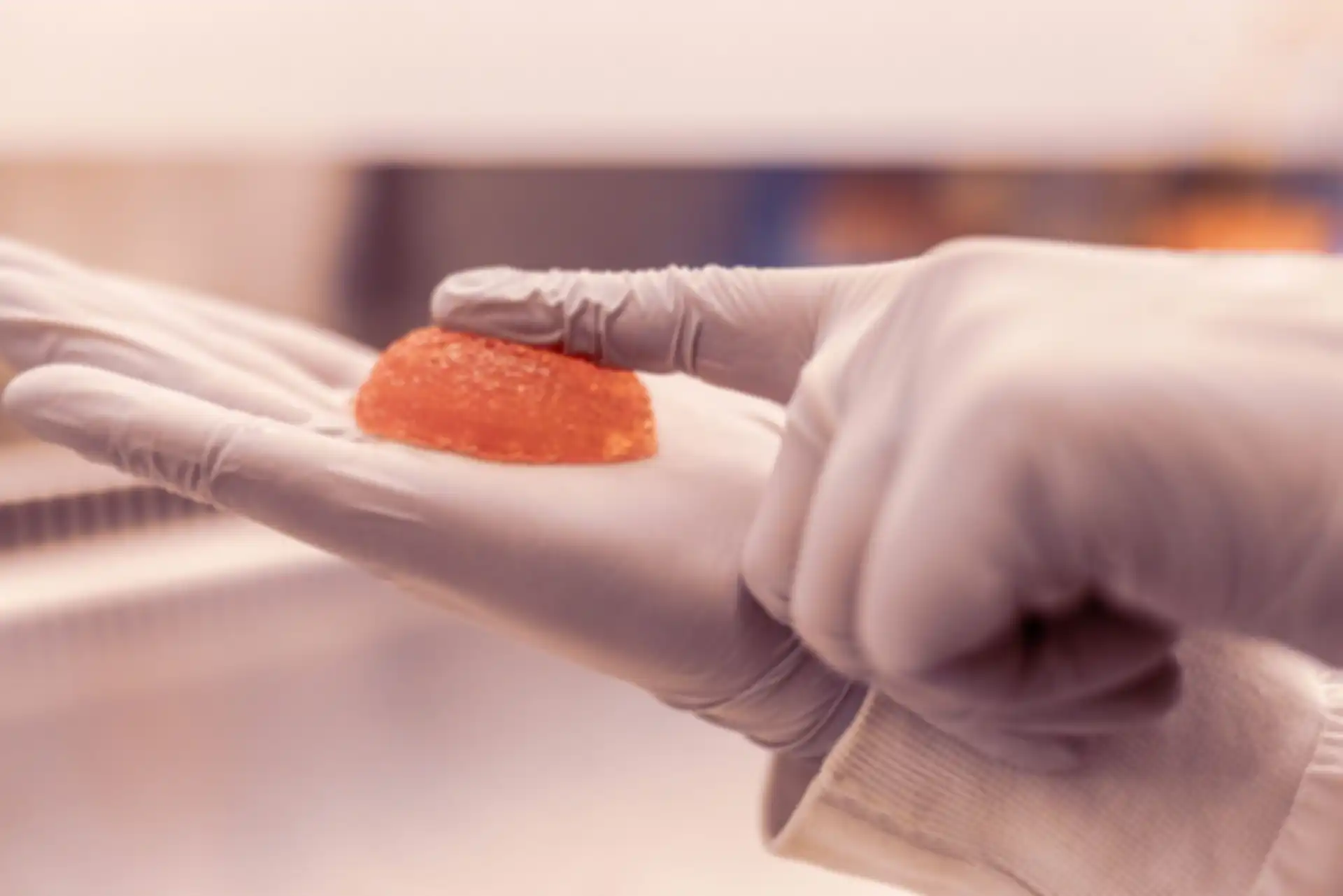
The Federal Agency was convinced by both the competence of the dedicated team and their ambitious vision: printing functional tissues, potentially extending to complete organs such as the liver. The integration of conventional implants currently fails due to insufficient blood vessel formation and blood supply in the new tissue structures – in other words, inadequate vascularisation. Cellbricks has set out to overcome this central challenge in tissue engineering. Using 3D-bioprinting, complex soft tissue with integrated microchannels made from patient-derived cells will be produced, which becomes rapidly perfused after implantation. These tissue therapeutics are manufactured biotechnologically in the laboratory before being implanted into patients. To further advance this development, SPRIND has now participated in the seed funding round.
About Cellbricks
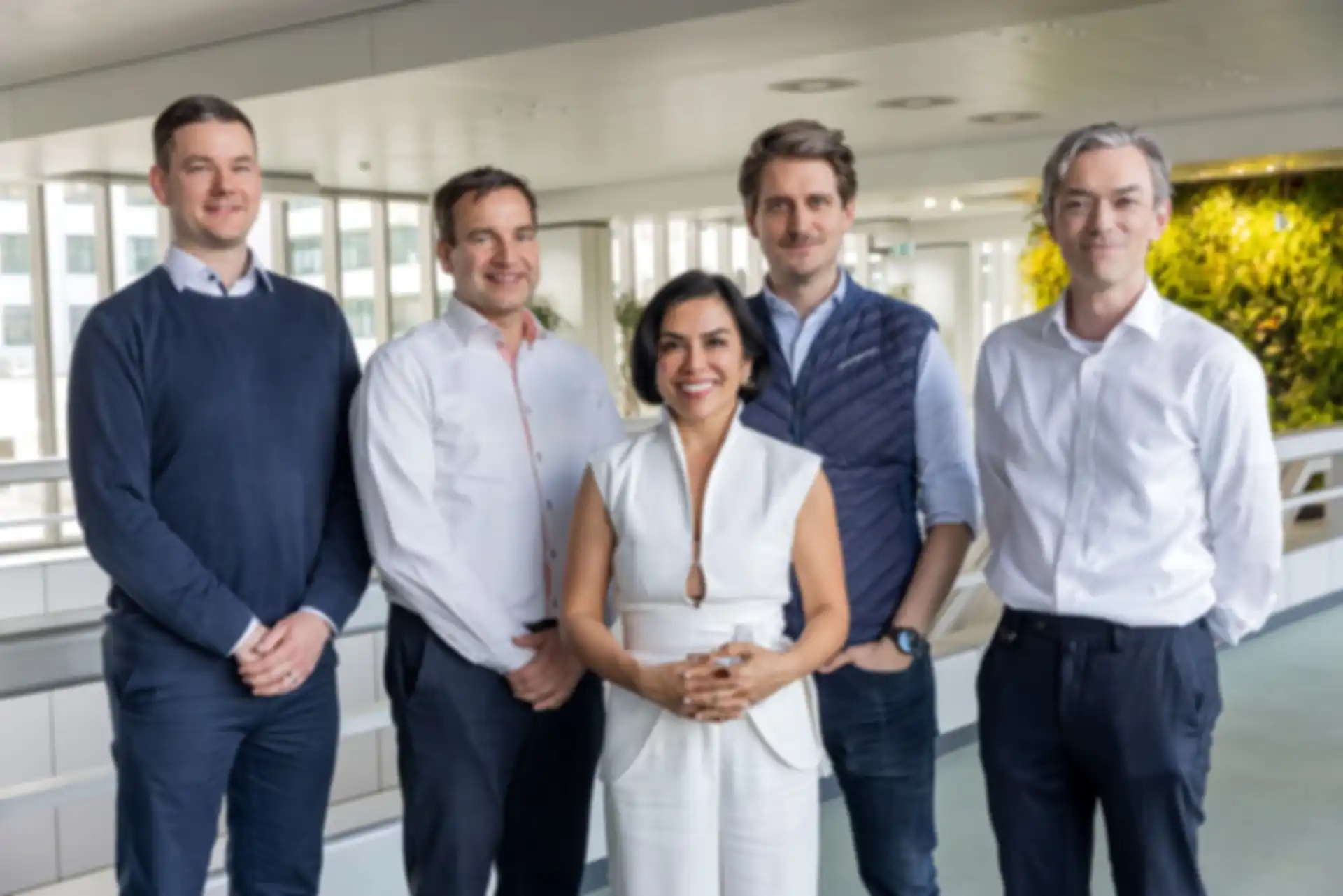
Cellbricks Therapeutics is a biotechnology company headquartered in Berlin with an additional location in Boston. The core of the company is a proprietary biofabrication platform that combines 3D-bioprinting with customised biomaterials and human cells. Building on this foundation, Cellbricks develops vascularised tissue therapeutics designed to functionally replace damaged tissue – particularly in complex wounds and soft tissue defects, with prospective applications in organ regeneration. Cellbricks Therapeutics emerged from the research of Dr Lutz Kloke at the Technical University of Berlin. The leadership team today consists of Alexander Leutner (Co-CEO Business, Co-Founder), Dr Simon MacKenzie (Co-CEO Therapeutic Programmes), Dr Kathy Kordy, MD (CMO), Dr Tobias Lam (CTO, Co-Founder) and Michael Kring (CFO). The company brings together an interdisciplinary team of biotechnologists, engineers, chemists, and entrepreneurs from over 14 countries.
More about this topic
Challenges and Funken
Tissue Engineering
In the Challenge the feasibility of a novel approach to tissue engineering for first-in-human transplantation was to be demonstrated.
More Magazine Articles