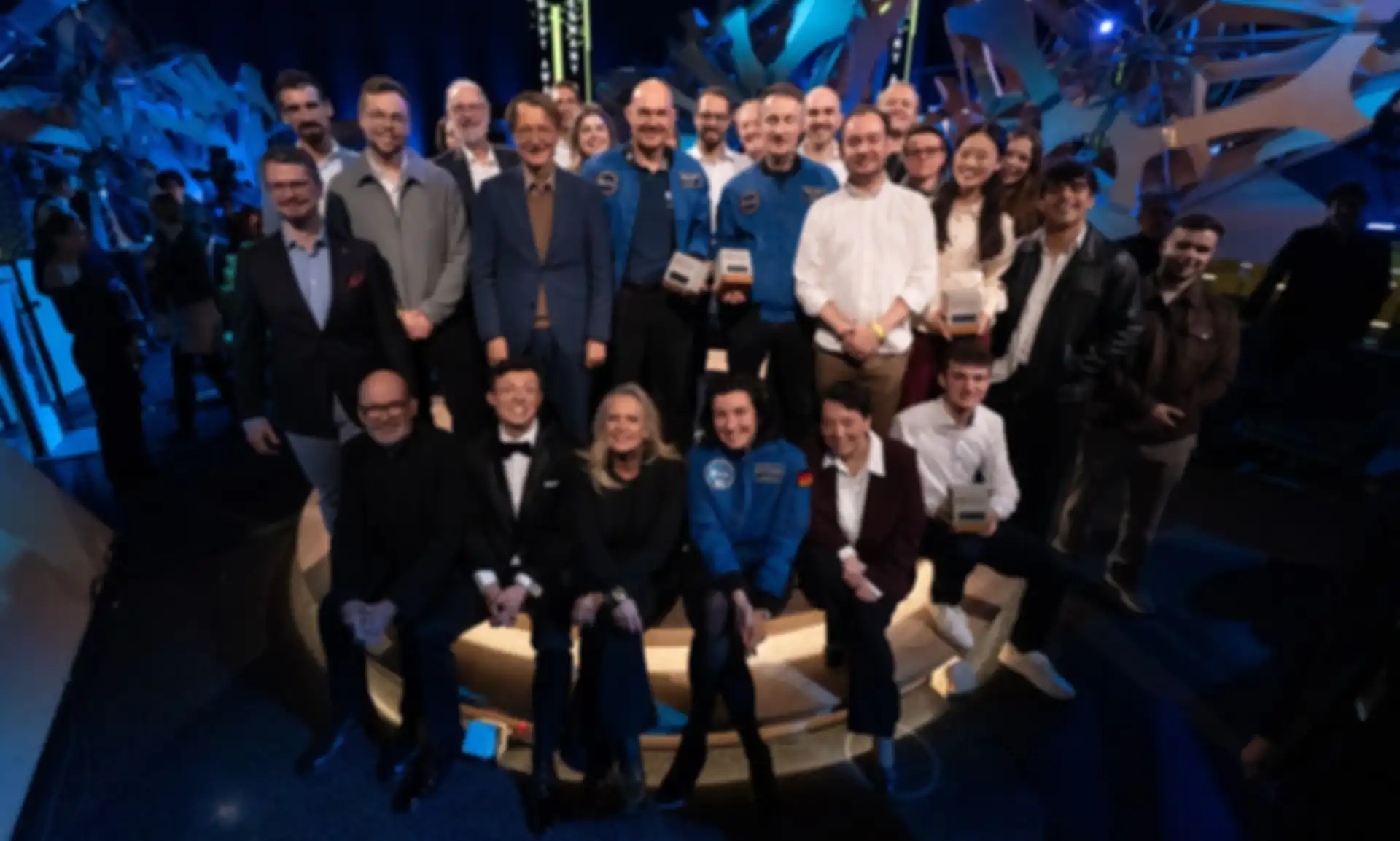
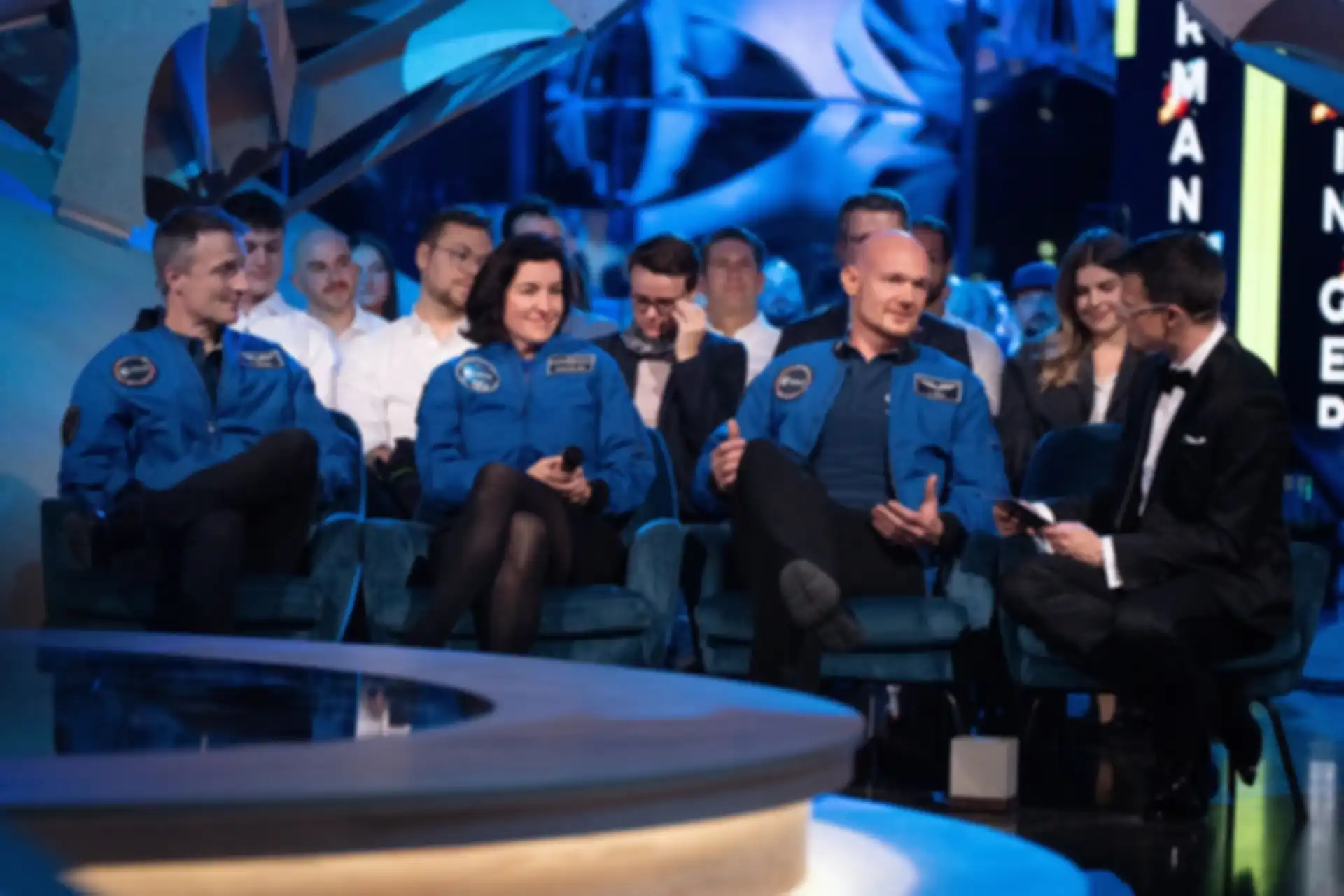
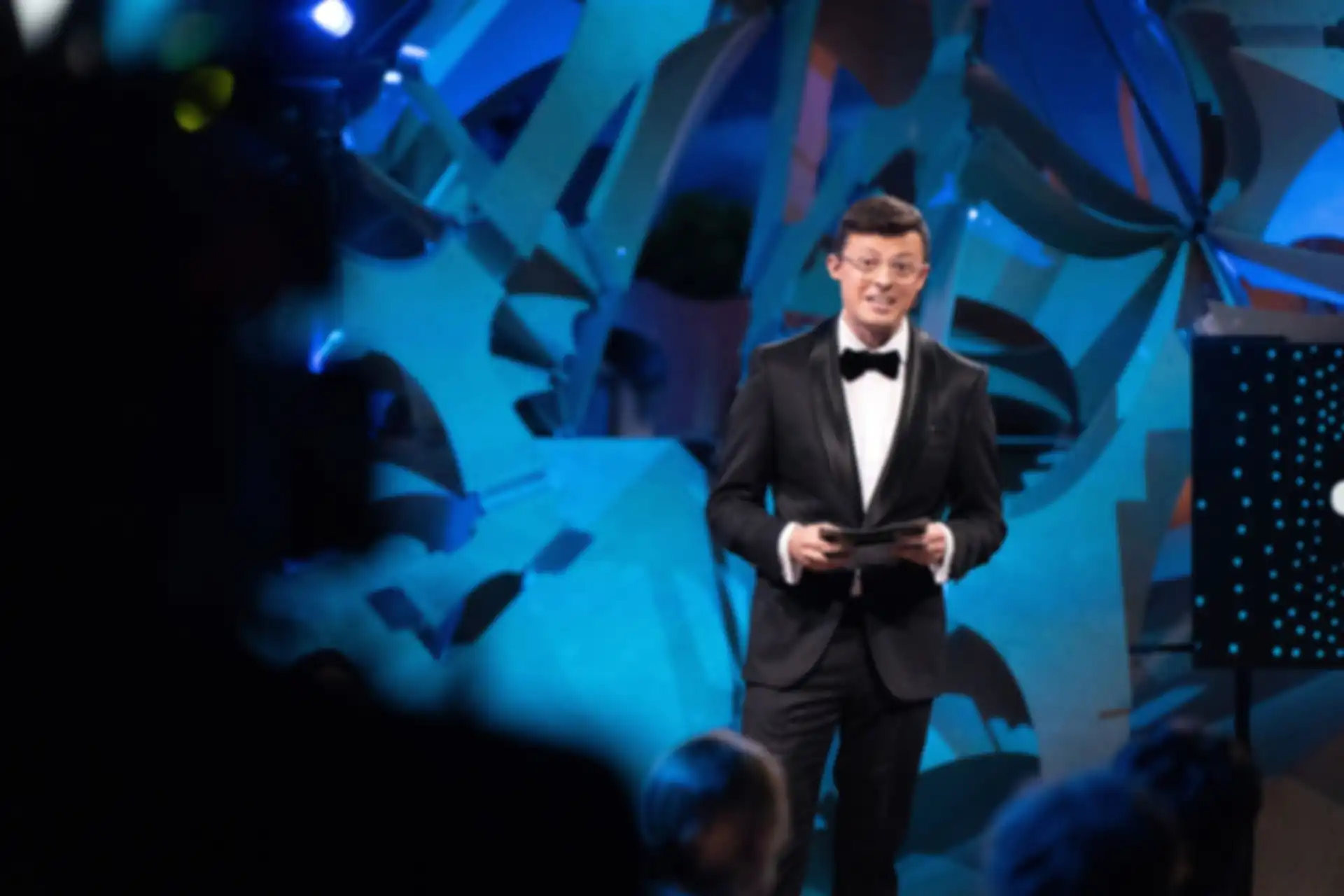
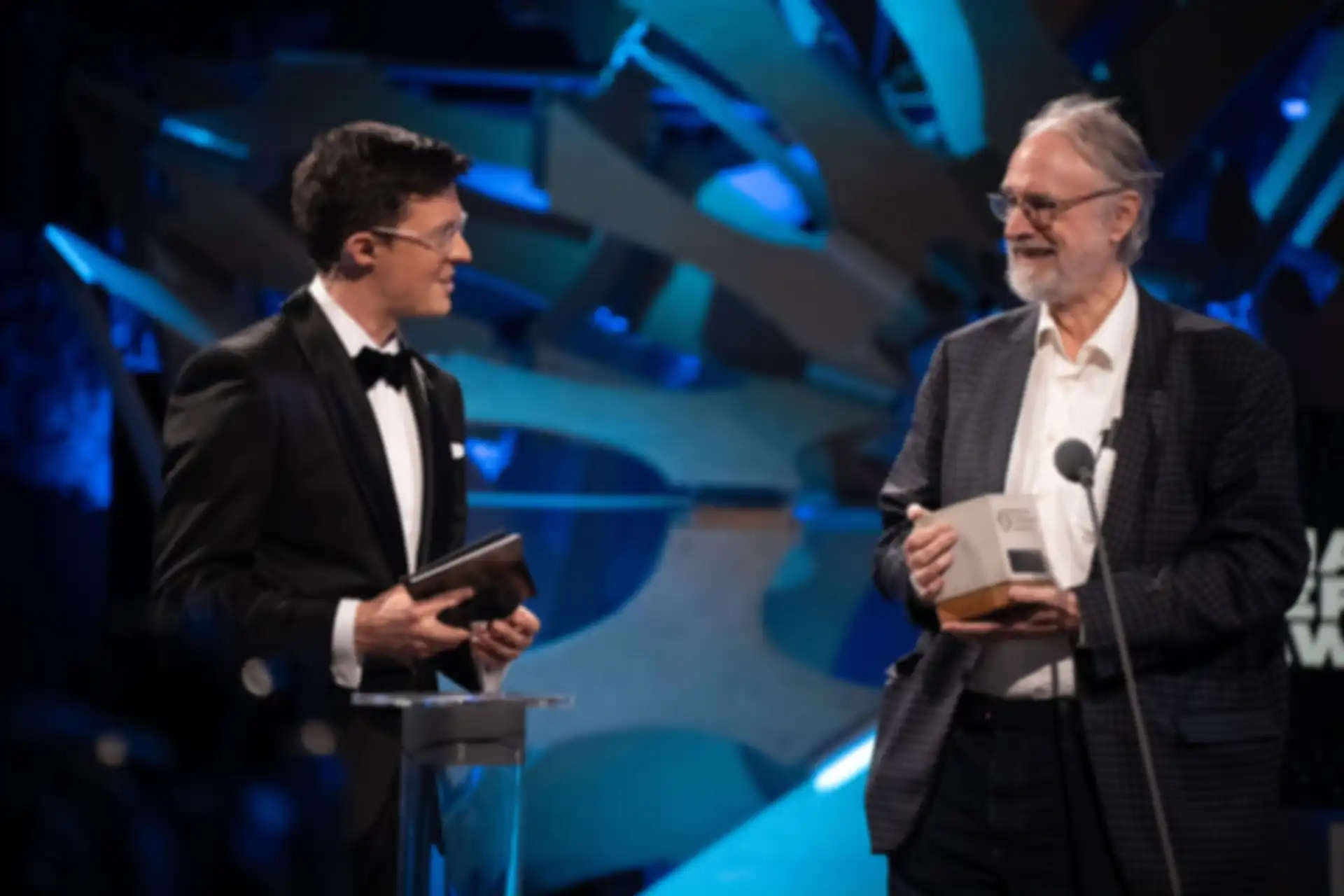
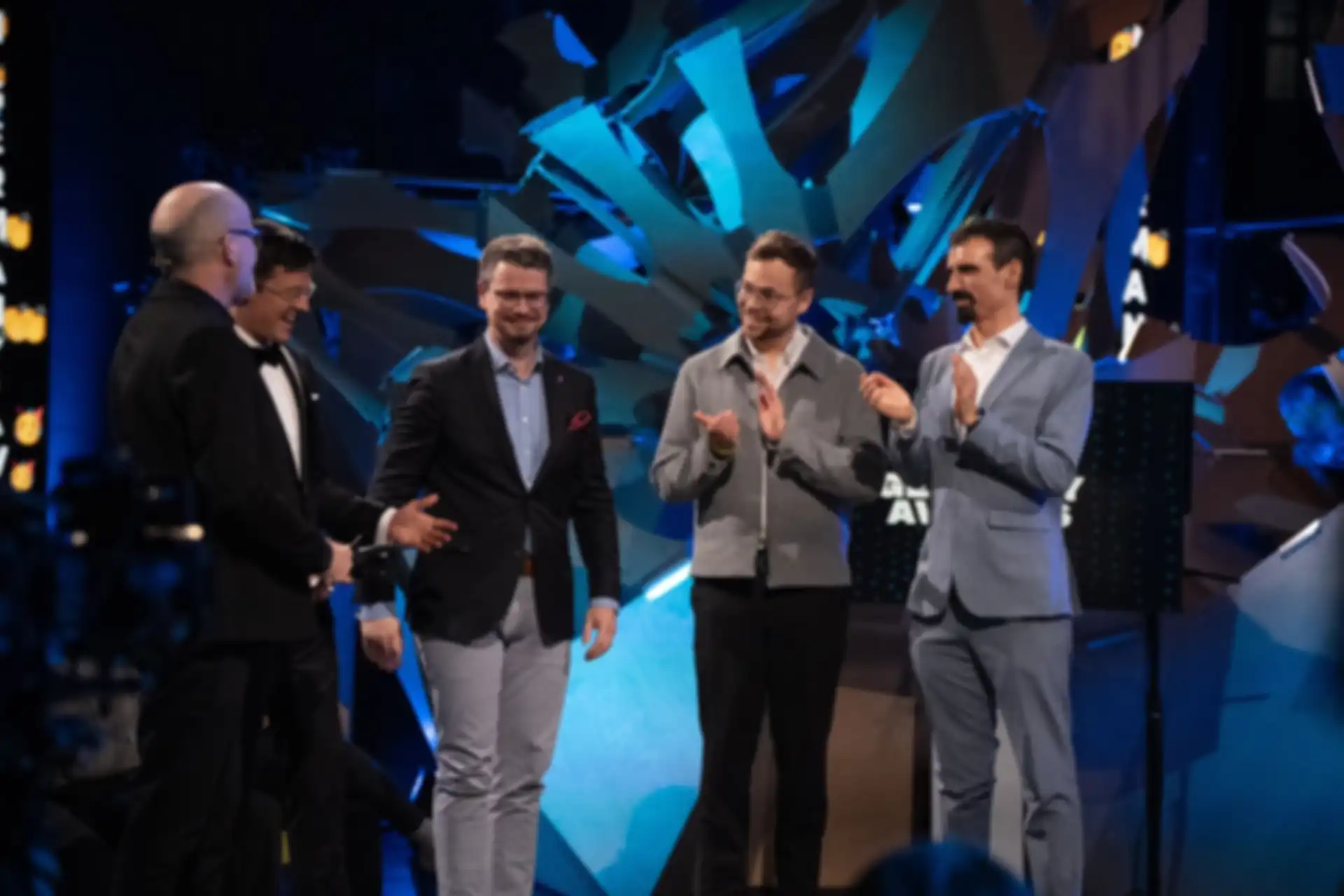
Under the patronage of Federal Minister Dorothee Bär, science YouTuber Dr. Jacob Beautemps, together with the Federal Ministry of Research, Technology and Space (BMFTR) and SPRIND, honored Germany’s brightest minds and most innovative ideas at the Made in Germany Awards at Berlin’s Futurium. The award show was livestreamed on Breaking Lab’s YouTube and Twitch channels.
Innovators submitted several hundred projects across five categories: Energy, Mobility, Medicine, Artificial Intelligence, and Society. An expert jury from SPRIND and BMFTR selected three finalists in each category, who were featured on the Breaking Lab YouTube channel. The community then selected the winners through a public vote.
In the Energy category, Skellium GmbH won with an innovative liquid coating process for battery anodes. This new process makes it possible for the first time to manufacture ultra-thin lithium metal anodes on an industrial scale. Their higher energy density could revolutionize the range of electric mobility.
The Made in Germany Award in the Mobility category went to DeepDrive. The company developed the Dual Rotor, a new type of electric motor that uses two rotors instead of one. This increases range and efficiency while reducing costs.
In the Medicine category, the winning project was CogniSia, developed by Hannover Medical School in collaboration with the German Center for Neurodegenerative Diseases in Magdeburg. As a nasal spray, CogniSia is designed to help preserve memory function using a naturally occurring polysaccharide in the body and, in the longer term, potentially protect against dementia.
The award in the Artificial Intelligence category went to VisiNav, an app developed by Timo Henkel (19). Using AI, it transforms the surrounding environment into an intuitive 3D audio signal that guides blind people safely through everyday life. The system requires no special hardware and works entirely offline on a regular smartphone.
In the Society category, Dr. Anjela Mayer was recognized for the mixed-reality training platform SKI²LL-AI. It preserves practical expert knowledge for future generations by automatically recording workflows through mixed-reality glasses and later reproducing them as three-dimensional instructions.
Our world has never been more full of solutions than it is today. – Dr. Jacob Beautemps
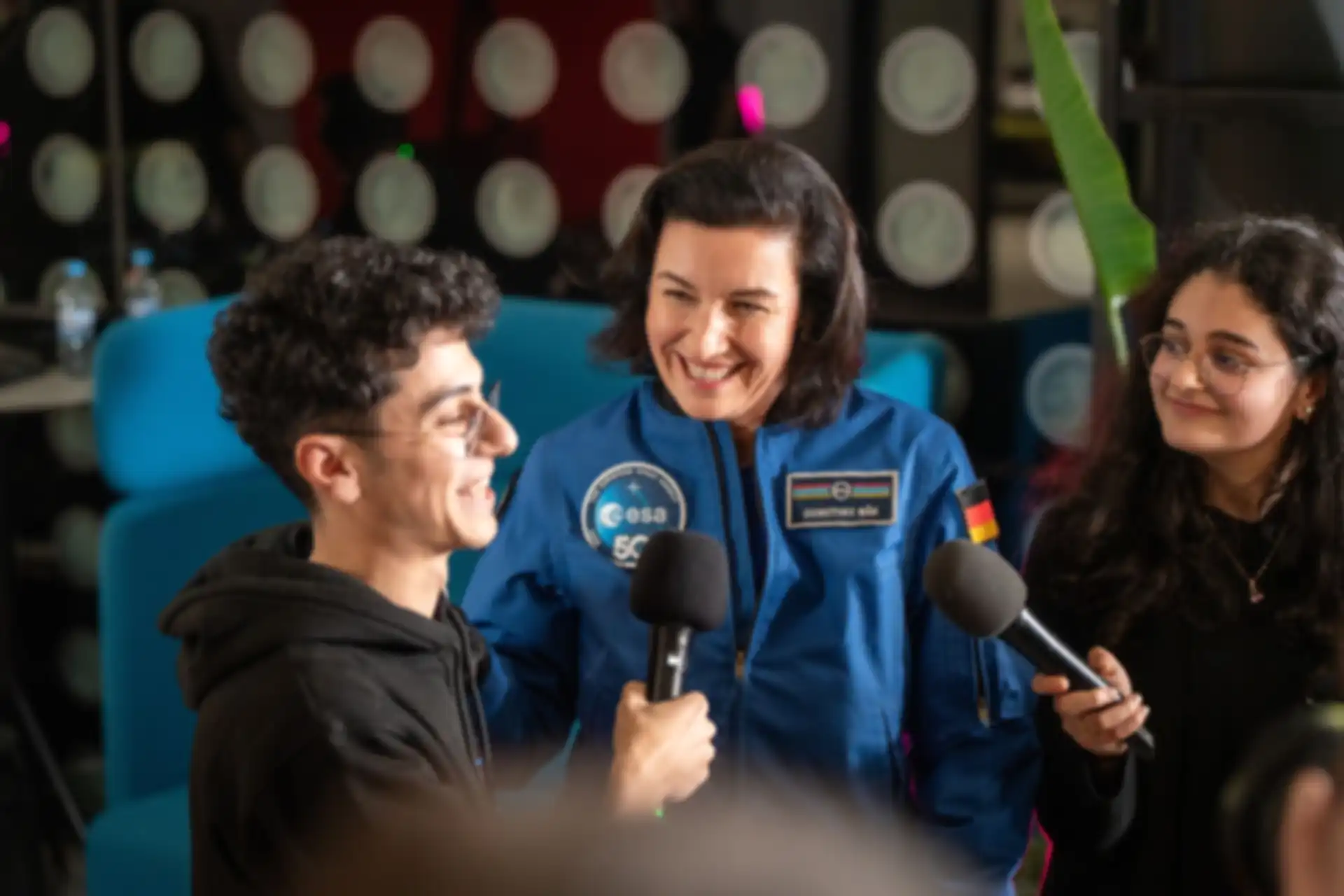
In addition to the awards in the five categories, patron Dorothee Bär presented the Federal Minister for Research, Technology and Space’s Pioneering Spirit Honorary Award to ESA astronauts Dr. Alexander Gerst and Dr. Matthias Maurer.
The Generations Honorary Award went to Gerhart Wissel (95) for developing the E-hiker, an electrically powered hiking aid, and to 18-year-old multi-inventor Eva Shi. Her research into tiny robots that can be guided through the human body using magnetic forces could make medical procedures gentler and more precise in the future.
The Lifetime Achievement Award went to Prof. Dr.-Ing. Karlheinz Brandenburg, known as the father of MP3. During his doctoral research, he had already developed important foundations for the technology. He later achieved the breakthrough together with a research team at the Fraunhofer Institute for Integrated Circuits (IIS). The development fundamentally changed how people around the world listen to music.
The Made in Germany Awards recognized not only innovators and their innovations. All submissions were also analyzed by SPRIND experts and reviewed for potential funding. During the award ceremony, SPRIND Director Rafael Laguna de la Vera announced that the teams behind CogniSia (Medicine), Iris (Artificial Intelligence), and Synplasma (Energy) would receive a funding offer. Each of the three teams will initially receive a validation contract worth up to €200,000. If SPRIND's experts remain convinced of the projects' breakthrough innovation potential after its completion, further funding may follow.
Welche neuen Technologien rücken 2026 bei der SPRIND auf das Radar? Wie wird Europa technologisch resilienter – und redet nicht nur darüber? Und wann fliegt Rafael ins All? Unser Host Thomas Ramge spricht, wie immer in der ersten Folge des Jahres, mit Rafael Laguna de la Vera, Direktor der Bundesagentur für Sprunginnovationen.