9/29/2026

FIRST WORLD RECORD FROM THE SPRIND COSMOS

The World's Tallest Wind Turbine Takes Root in Germany

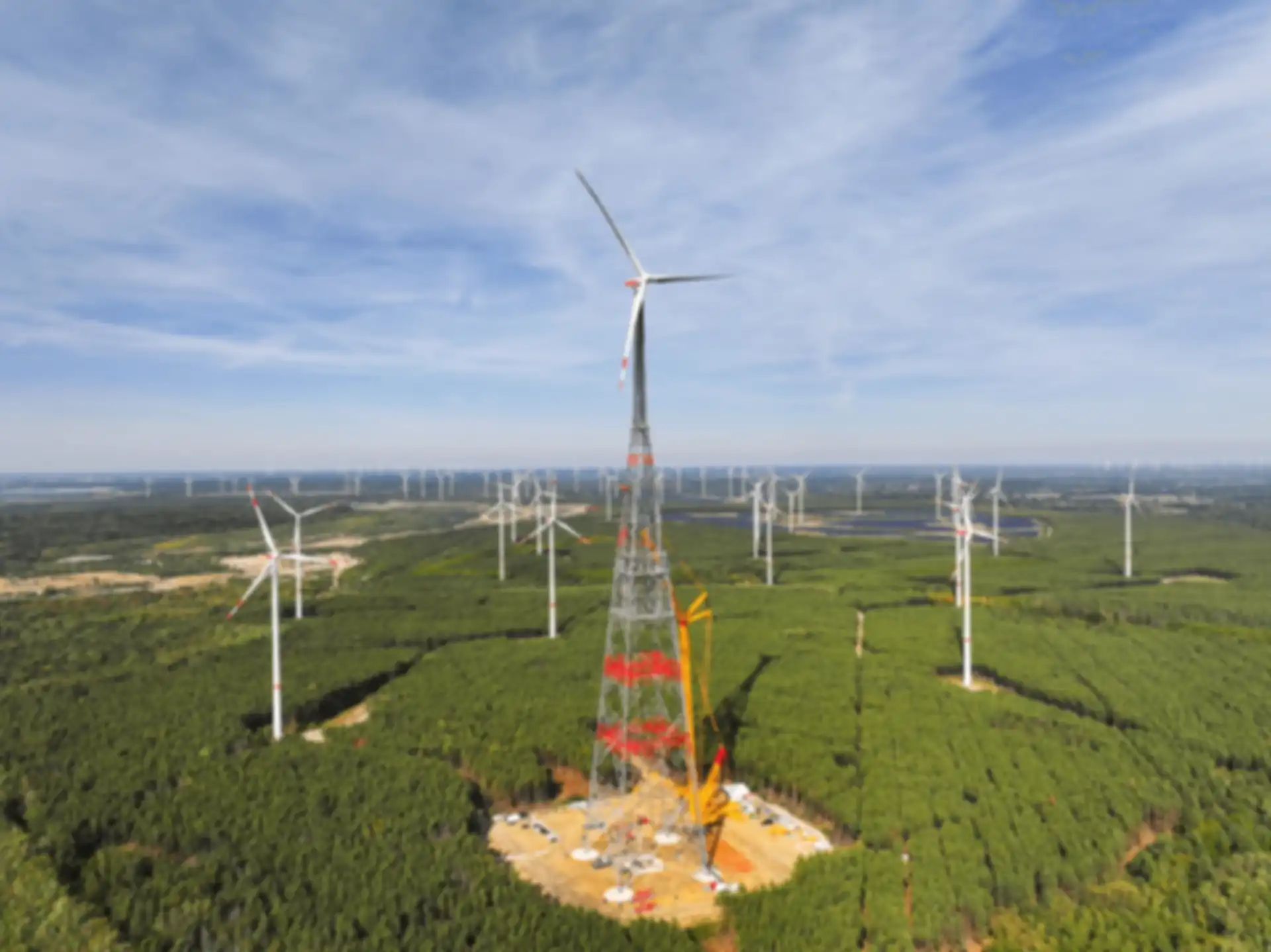
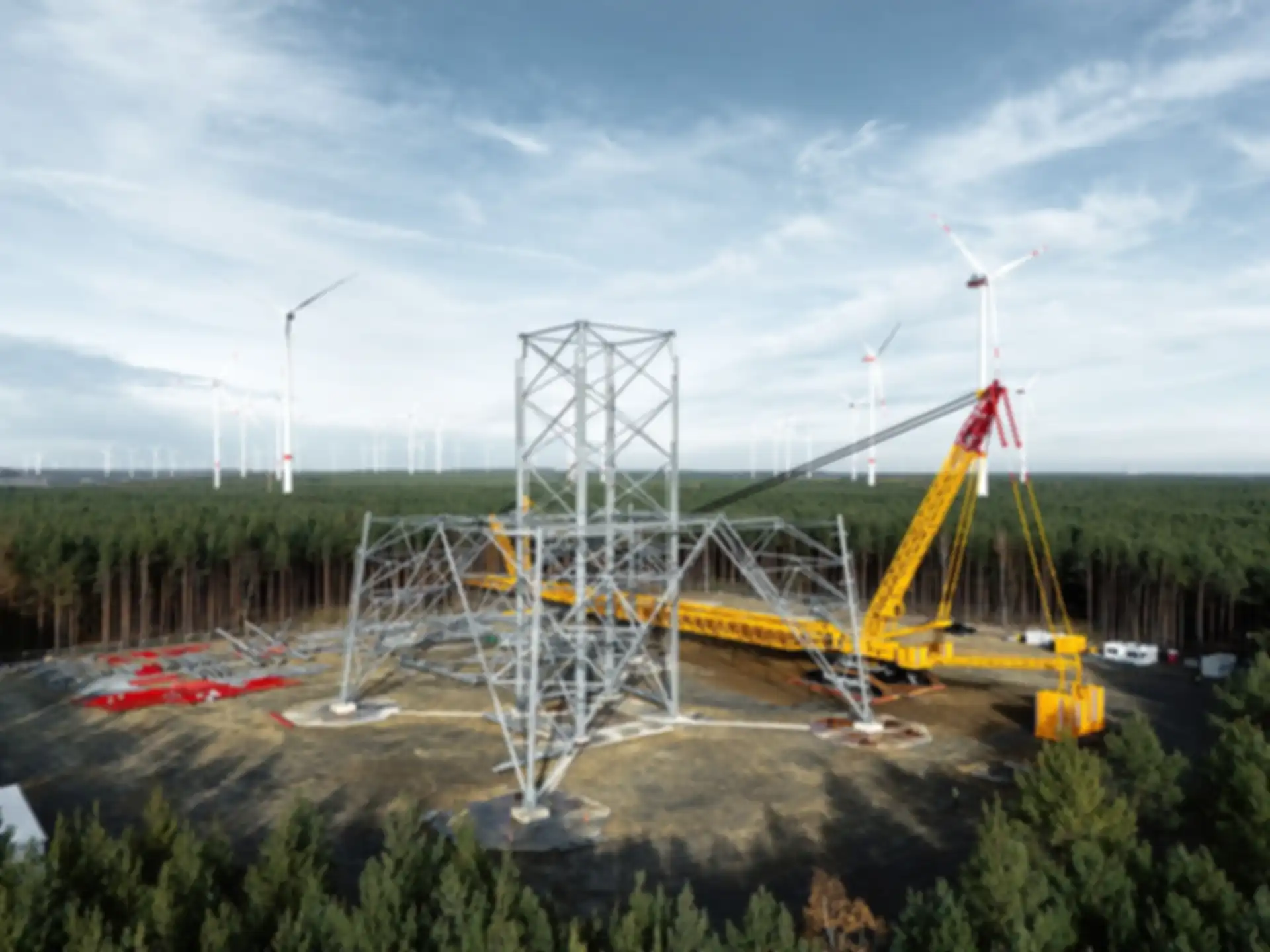
The high-altitude wind turbine in Schipkau, in the Lausitz region of eastern Germany, has reached its final height of 365 meters. With a hub height of 300 meters, this turbine is the tallest wind energy installation in the world – and the second-tallest building in Germany. Only the Berlin TV tower stands taller.

Elevated wind turbine surrounded by landscape
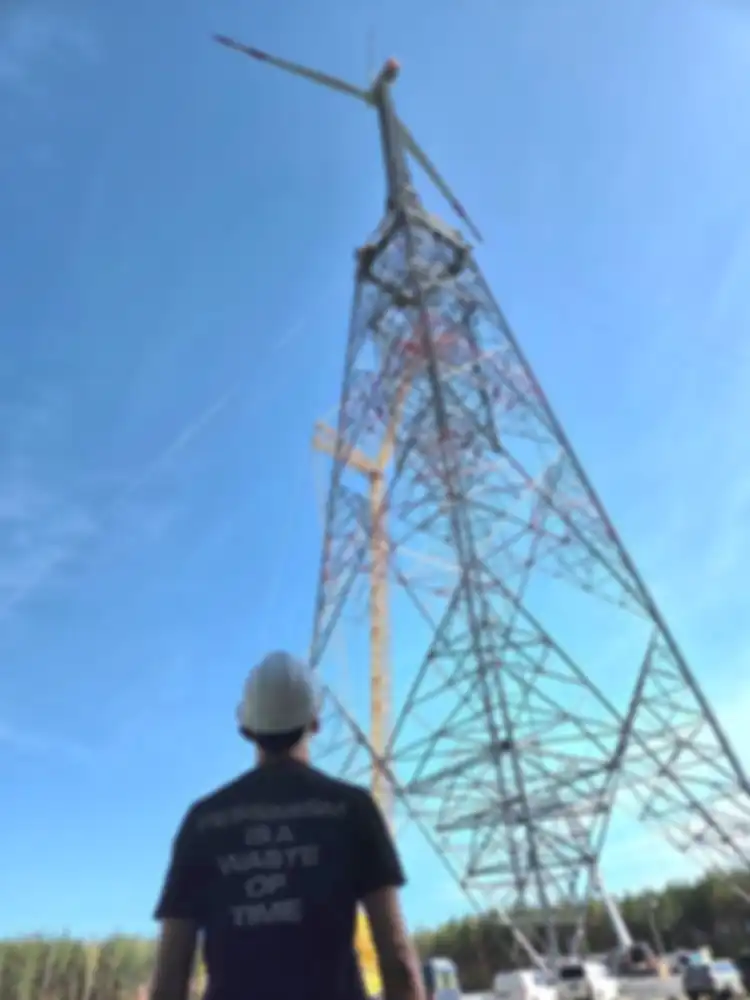
Individual in a "Pessimism is a waste of time" T-shirt looking up at a towering 365-meter elevated wind tower.

Why Bigger Is Better In This Case

The high-altitude wind turbine rises well above the surrounding wind turbines in the former lignite mining region, which typically stand at heights of just 150 to 250 meters. This tower taps into strong high-altitude winds, creating the conditions for the most productive onshore wind turbines in the future. The key advantage: High-altitude wind turbines can potentially be added as a so-called second tier to existing wind farms. This means output can be increased on existing land. What is more, winds at this altitude blow more steadily and reliably.

According to current potential estimates for Germany, it may be possible to retrofit up to 4,000 high-altitude wind turbines in existing wind farms as a second tier. This would generate additional wind energy without the need to open up new wind farm sites.

The Lift: A Milestone Moment

The telescoping of the inner tower marks the decisive milestone in realizing this pilot project commissioned by SPRIND. The high-altitude wind turbine stands as an impressive testament to German engineering prowess. The project was brought to life by GICON of Dresden.

During the lift, the inner tower was raised to its final height using a specialized strand jack system. This step alone is a remarkable technical achievement. Up to now, one of the key limiting factors in building taller wind turbines has been the height constraints of available construction cranes. GICON solved this problem cleverly with their concept: The high-altitude wind turbine serves as its own crane. The foundation and the lower lattice mast tower acted as the outer scaffolding. In a highly complex, globally unique process, the top of the tower was now raised from within the lattice structure. The procedure required precise technical execution and meticulous coordination of all work. Once the target height was reached, the inner tower was secured in its extended position. Final work on the high-altitude wind turbine will take several more days.

The official commissioning of the high-altitude wind turbine is planned for November. GICON and SPRIND are also jointly developing a concept for the future commercialization of the high-altitude wind turbine and are in active discussions with numerous interested parties from the wind energy sector. With the completion of the pilot facility, preparations for scaling up the system will begin. The goal is to start series production as quickly as possible.

SPRIND Innovation Manager Dr. Martin Chaumet has been closely involved with the project from the very beginning: The GICON team led by Prof. Großmann and all the other companies involved have shown impressively how a bold, innovative idea becomes a concrete solution. With the high-altitude wind turbine reaching a world-record height, the opportunity for localized, land-conserving, and clean energy supply has become a reality in record time. This technology is intended to be deployed on a large scale in the coming years and make a substantial contribution to Germany's energy security.

Prof. Dr. Jochen Großmann, Founder and Chairman of the GICON Board of Management, said: 365 meters – this is an overwhelming moment for our entire team. What was long an ambitious idea and then an equally ambitious construction project now stands as a globally unique facility in Schipkau. This world record belongs to everyone who contributed with their knowledge, dedication, and perseverance – both on the construction site and within the many teams behind the project. At GICON, we are extremely proud of this achievement.

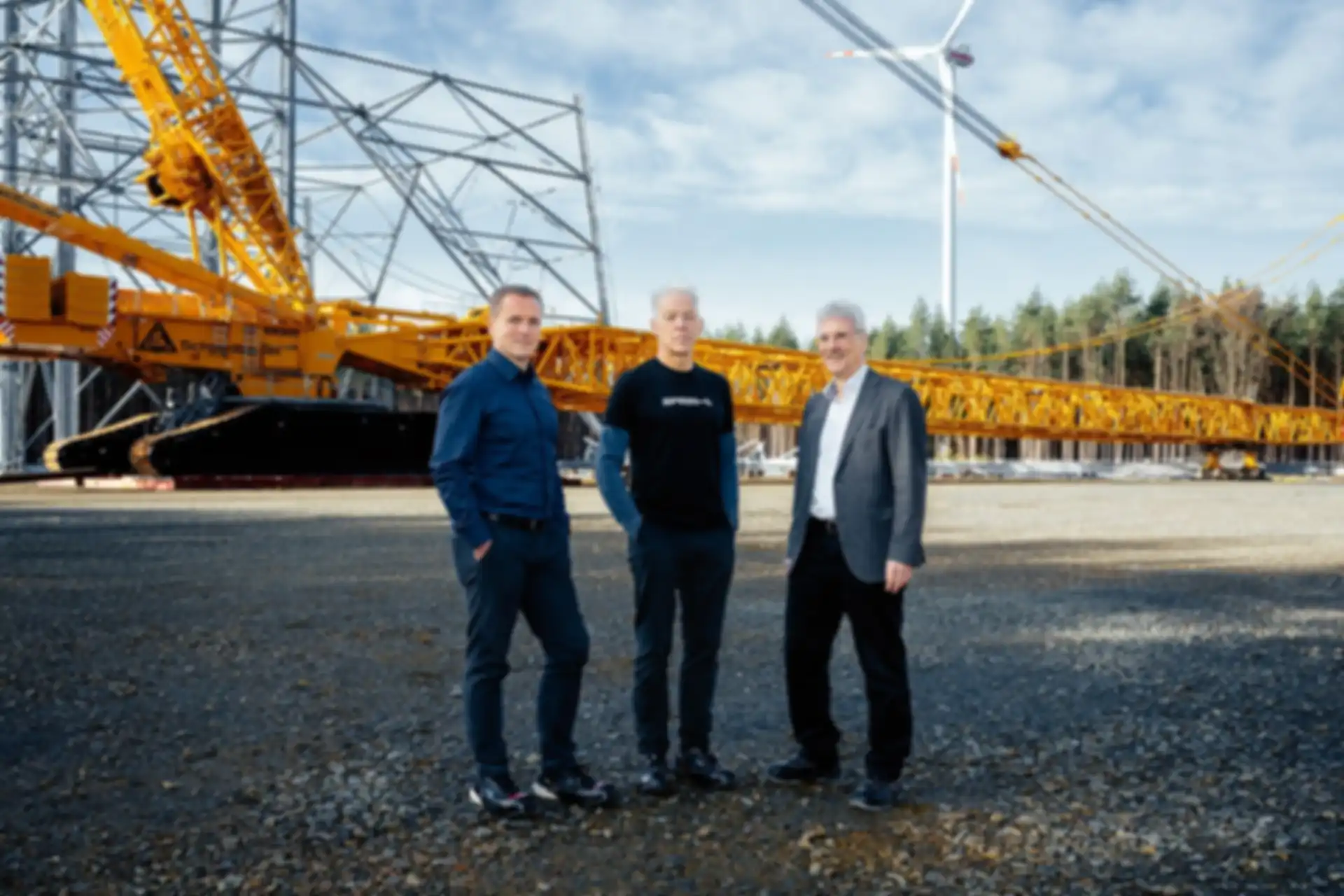
Three people standing in the foreground while the world's tallest elevated wind turbine is under construction in the background, Schipkau, Lausitz.
Dr. Frank Adam (GICON), Martin Chaumet (SPRIND) and Jochen Großmann (GICON) (f. l. t. r.)

The Story Begins in Leipzig

The idea for the high-altitude wind turbine came to SPRIND through Professor Horst Bendix. The native Leipziger was not only for many years the head of technology and research at the Leipzig heavy machinery manufacturer Kirow, but also a university professor and engineering consultant. In his retirement, the enthusiastic inventor spent decades working on his idea for a high-altitude wind turbine. In 2019, he submitted his idea to SPRIND. SPRIND picked up on the fundamental concept of a high-altitude wind energy system from the then 91-year-old and had three promising concepts validated. This included the concept from the engineering firm GICON, which had themselves been working for more than ten years on solutions for high-altitude wind energy systems and were quickly engaged as a partner. In 2022, SPRIND and GICON erected the world's tallest wind measurement mast on the Klettwitz plateau in southern Brandenburg. The mast successfully collected data for a full year between May 2023 and May 2024, confirming among other things the assumption that winds blow stronger and more reliably at greater altitudes. Based on those measurements, the green light was given at the end of 2024 for the construction of the high-altitude wind turbine together with GICON.

In deep gratitude, we remember Prof. Bendix, who first showed us the potential of high-altitude wind energy even before the founding of SPRIND. Our thanks also go to our Supervisory Board and the Ministry for Research, Technology and Space. Without their trust and support, this first major SPRIND project would not have been possible, said Dr. Martin Chaumet.

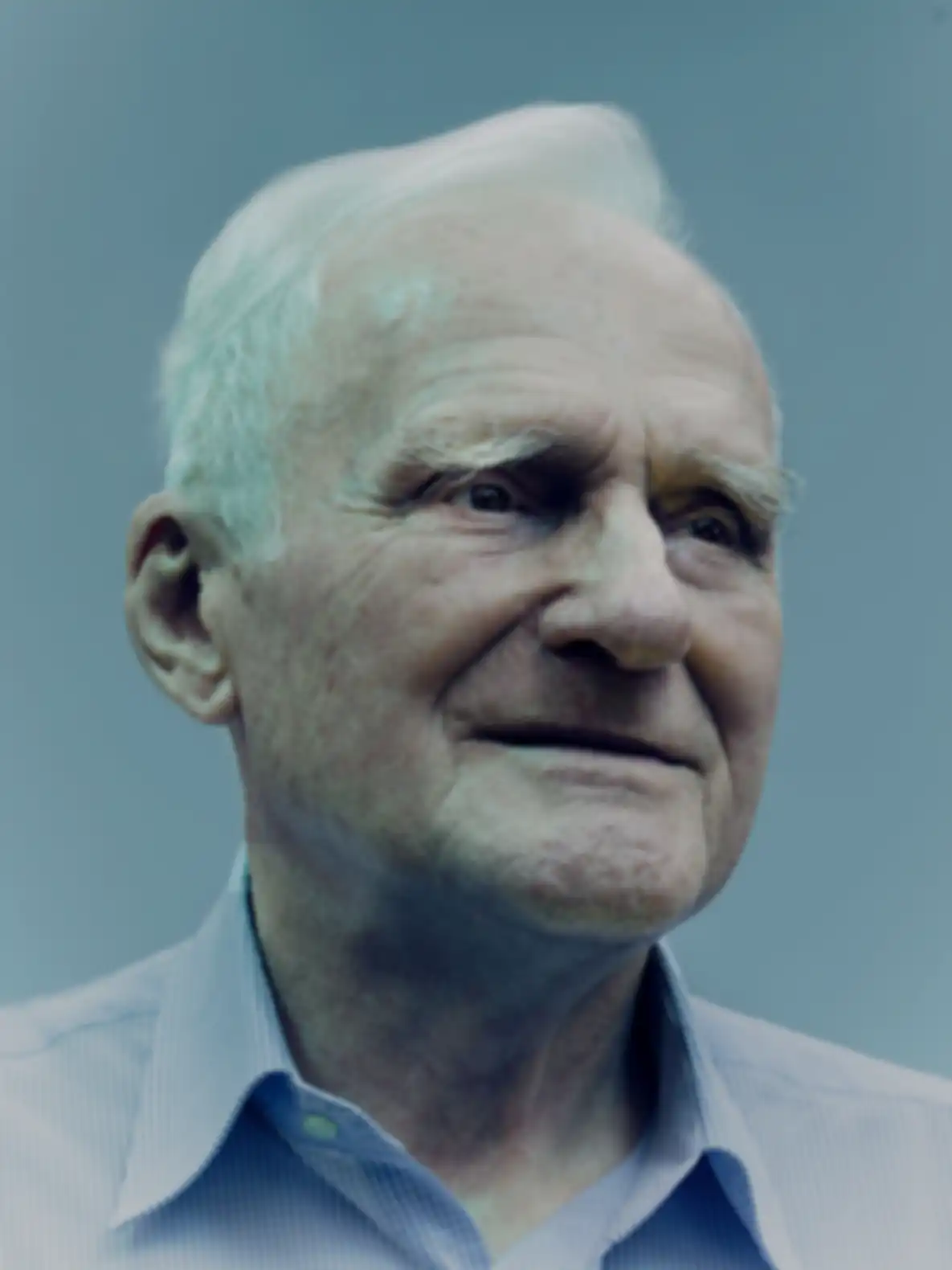
Portrait Horst Bendix in front of grey background
Horst Bendix
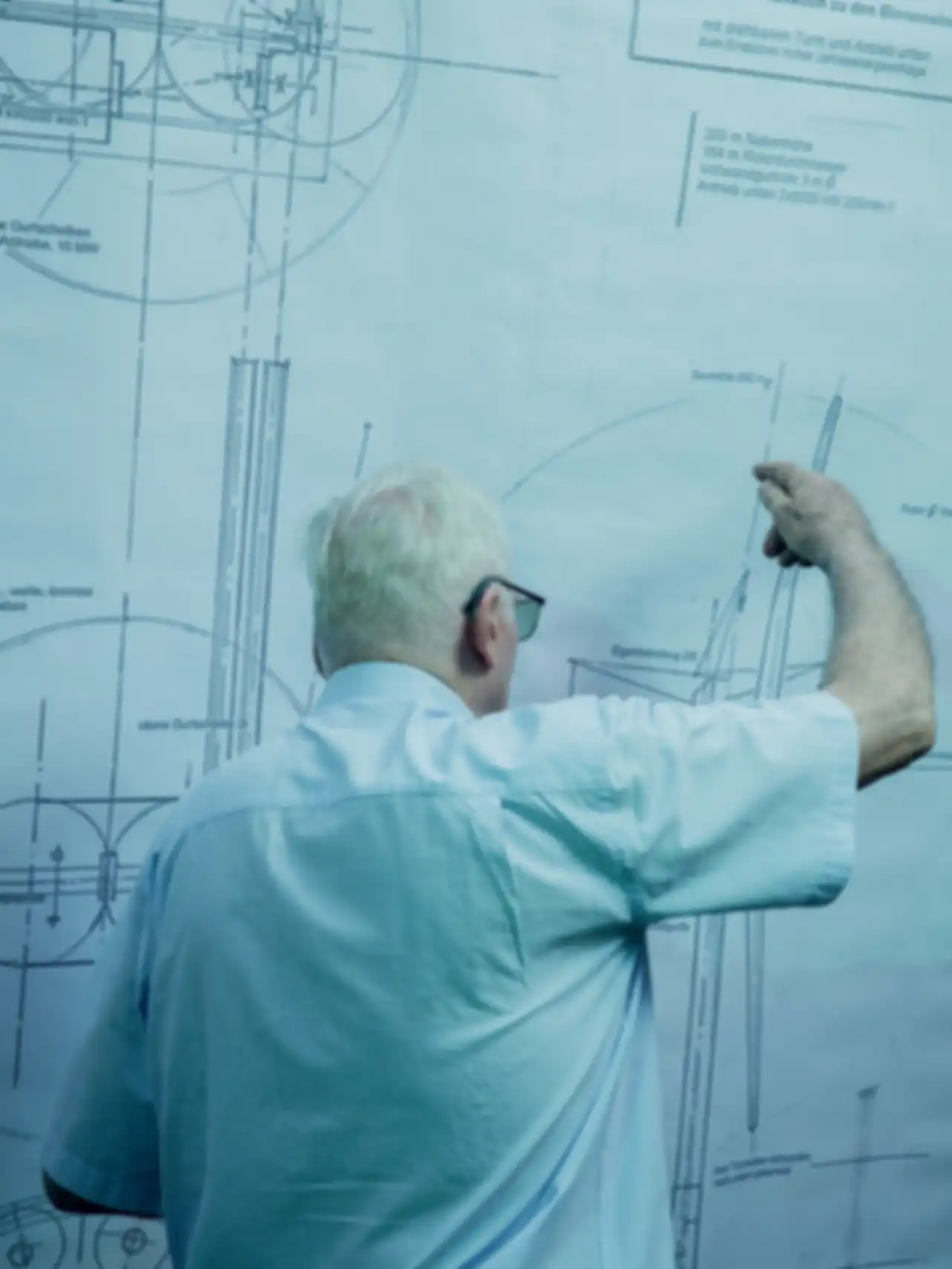
Horst Bendix presenting the technical plans and engineering blueprints for the wind turbine

More about this topic

Podcasts

#57 Martin Chaumet (5.6.2023)

35:12

Wie baut man das größte Windrad der Welt? Wie viel stärker bläst der Wind in 300 Metern Höhe? Und wo ließen sich Höhenwindräder aufstellen? Unser Host Thomas Ramge spricht mit Martin Chaumet, Innovationsmanager bei der SPRIND und Geschäftsführer der beventum GmbH.

Projects

Ongoing Projects

HIGH-ALTITUDE WIND TURBINES: HIGHER YIELDS AND NEW OPPORTUNITIES FOR THE REGION

A hidden champion from Saxony and SPRIND are transforming the world of wind power

View Project

More Magazine Articles

9/21/2026

PODCAST: Christopher Kränzler

Listen to the new episode of SPRIND podcast: Our host Thomas Ramge talks to Christopher Kränzler, AI Founder and SPRIND Robotics Expert.

Read More
Netzplan, der die notwendigen Entwicklungsschritte hin zum Fusionskraftwerk abbildet
3/23/2026

Fusion Energy: A Roadmap for Germany’s Path to a Fusion Power Plant.

The first draft of the Research and Innovation Roadmap for Fusion Energy was presented at the BMFTR Fusion Congress in March 2026.

Read More