Your Challenge:
Orbital Bioworks

Hello, innovators! We need breakthrough innovations to unlock the potential of microgravity for drug development and biomanufacturing. We need bold approaches and the will to put them into orbit. We need you.
Microgravity fundamentally alters fluid dynamics, crystal growth, and biological processes in ways that enable a qualitatively higher level of production – purer protein crystals, stem cells free from mechanical stress, more realistic disease models. On Earth, however, microgravity can be reproduced neither continuously nor at industrial scale. That is precisely why pharma and biotech are the driving forces behind an emerging in-space manufacturing market.
The first commercial steps in this market are so far being taken primarily in the US; a European counterweight is missing. Whoever develops the first economically viable applications under microgravity in the coming years will shape the standards for a market that is only just emerging. At stake is Europe's technological and industrial sovereignty in orbital production.
Allow data transfer to/from vimeo.com? (learn more)
Develop and validate the commercially viable use cases in orbital biotechnology with a clear, measurable microgravity advantage.
The challenge defines three focus areas in which microgravity promises a scientifically robust advantage and established European platforms exist: cell-free peptide manufacturing, differentiation of stem cells, and organ-on-a-chip for drug testing. We are open to other approaches beyond these focus areas, as long as microgravity offers a demonstrable advantage in your specific use case.
We support:
Potential breakthrough innovations
The challenge runs over a total period of up to roughly 18 months across two stages. A jury of recognized experts supports SPRIND in the selection. In Stage 1 (four months), up to twelve teams are admitted; at the end, the jury selects up to four teams for a possible Stage 2 (roughly 14 months). Across the two stages, SPRIND provides up to €1,650,000 per team – up to €250,000 in Stage 1 and up to €1,400,000 in the possible Stage 2 (in each case plus VAT, where applicable).
Beyond the funding, SPRIND organizes and finances access to microgravity platforms for all teams in Stage 2: a parabolic flight campaign for validation, as well as an orbital mission to the LEO station VAST Haven-1. Through our partner Yuri, a flight-qualified, standardized experimentation platform is available, including technical and life-science coaching. Teams also receive continuous support, easier access to new collaboration partners and experts, and possibly further financial backing where SPRIND sees breakthrough-innovation potential.
Teams
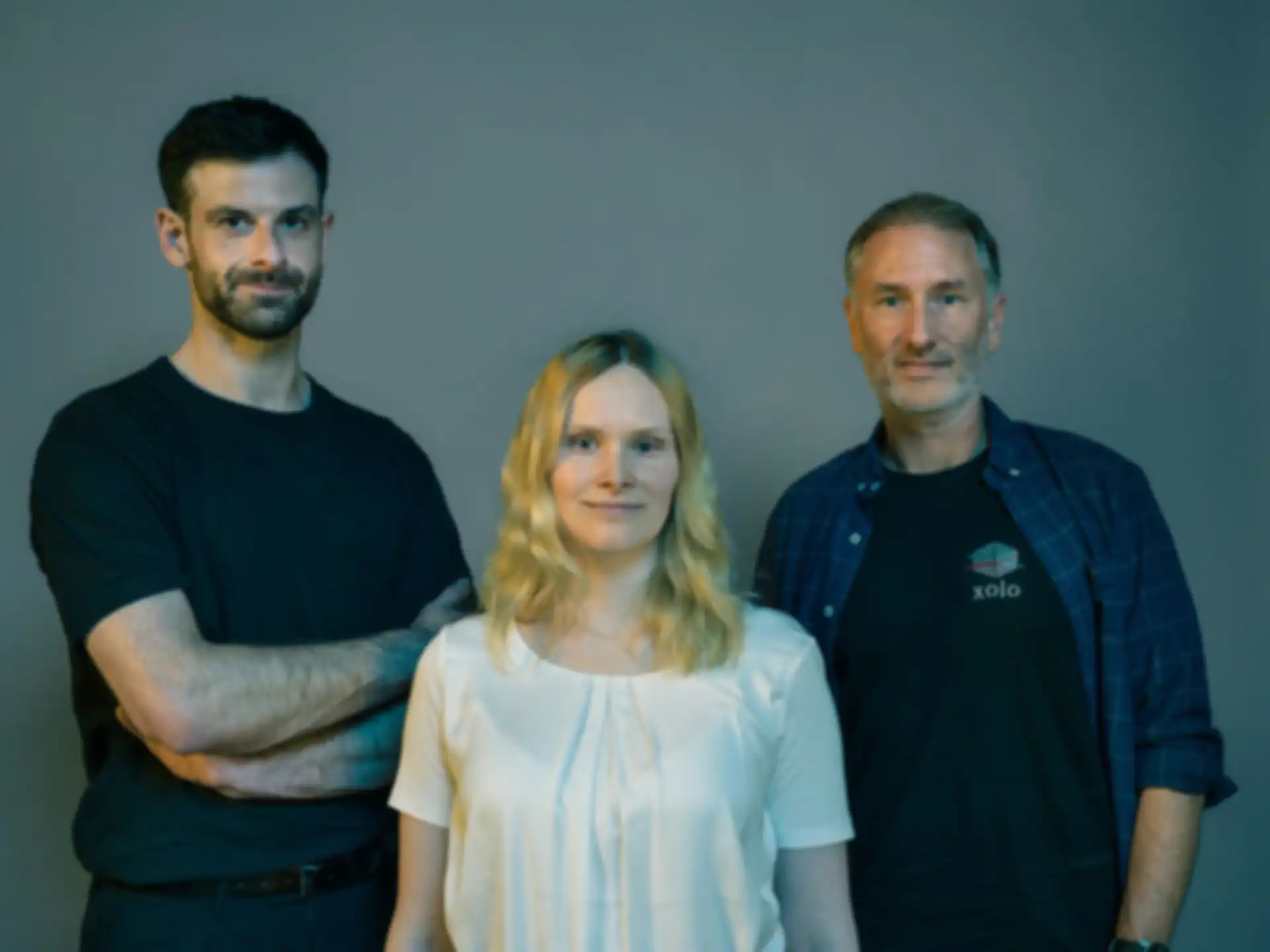
OSTEORBIT
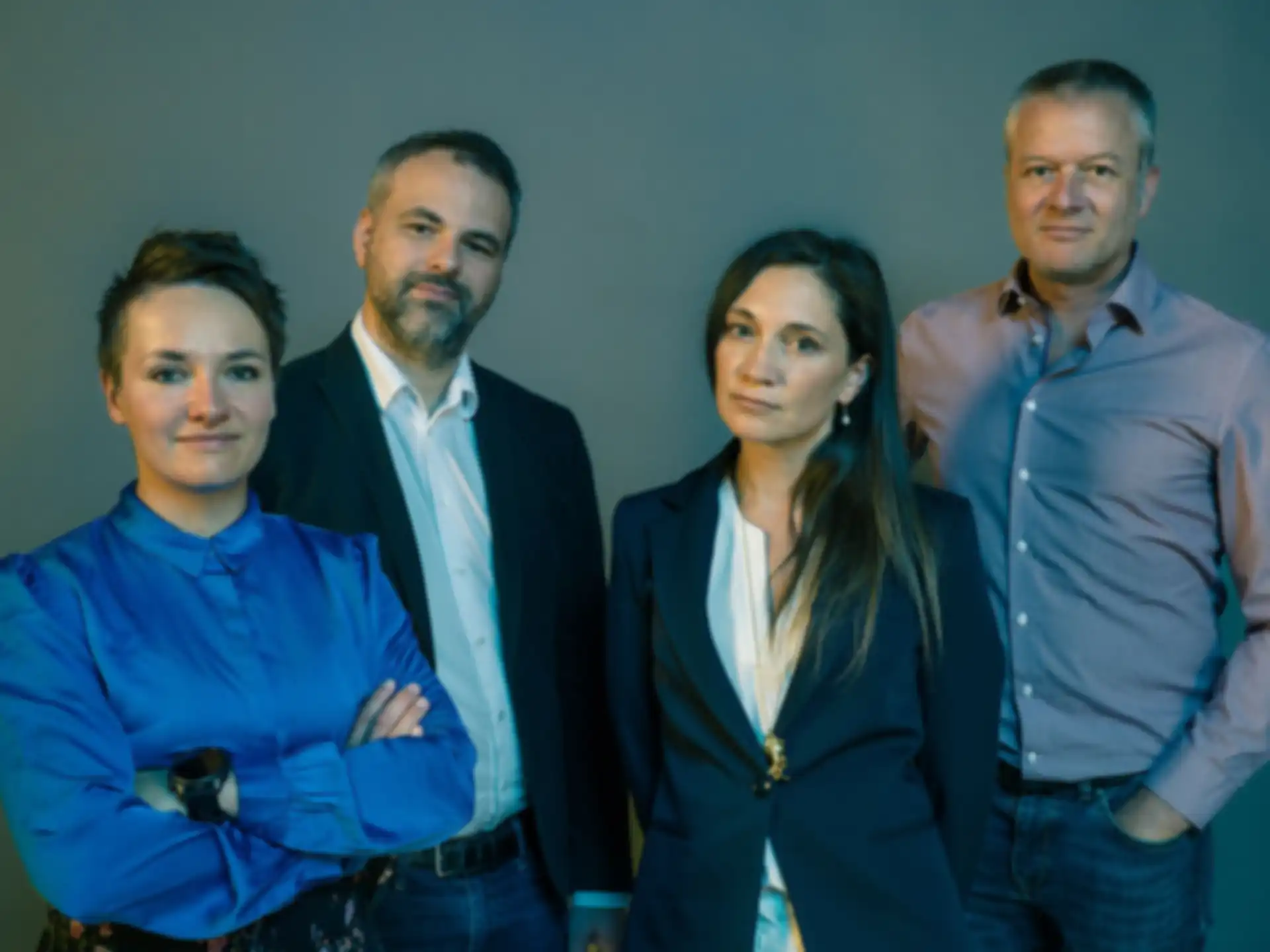
Hairy Therapeutics
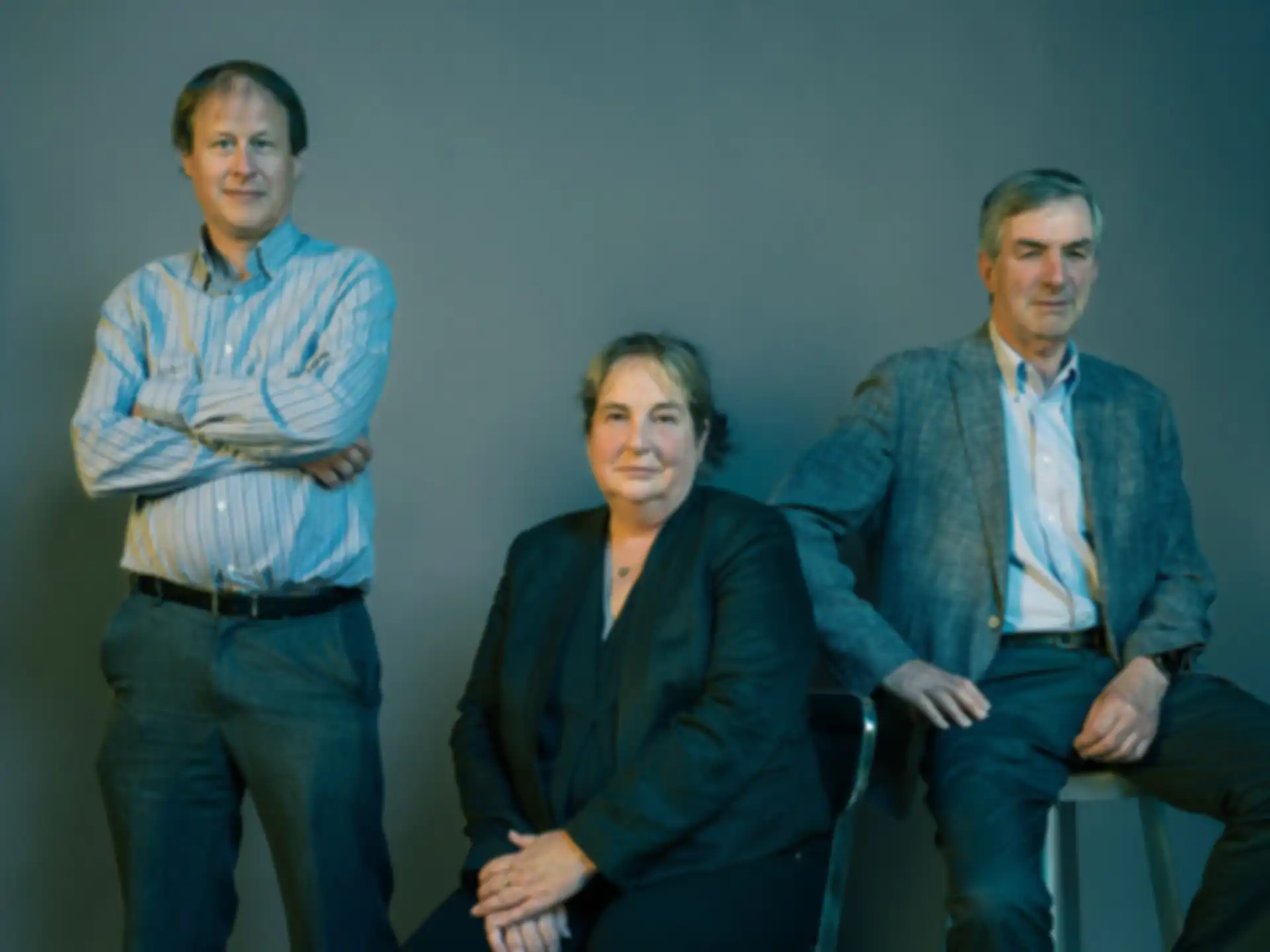
MicroAge

Project DisORBIT

BioOrbit
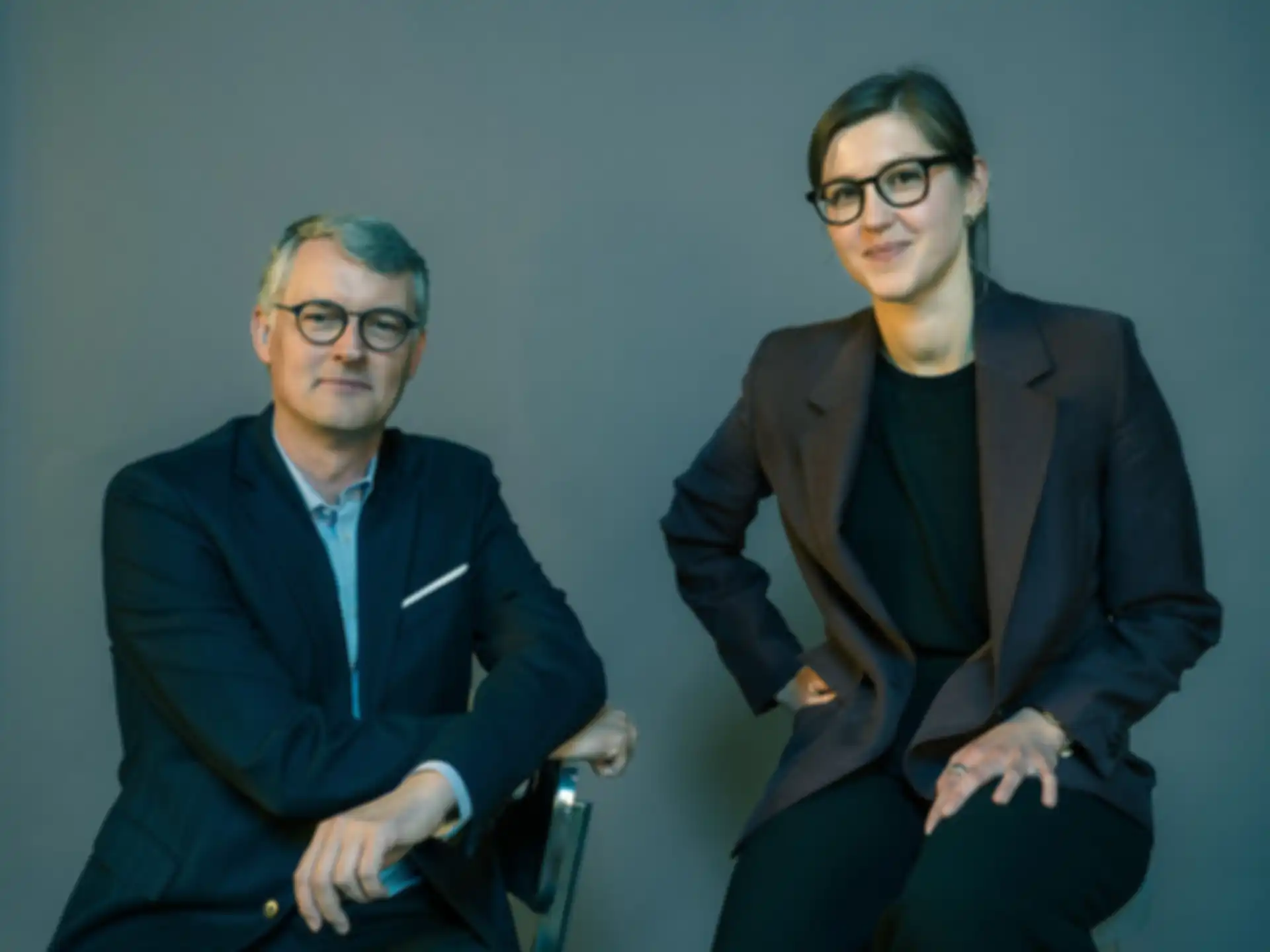
OrganoTherapeutics
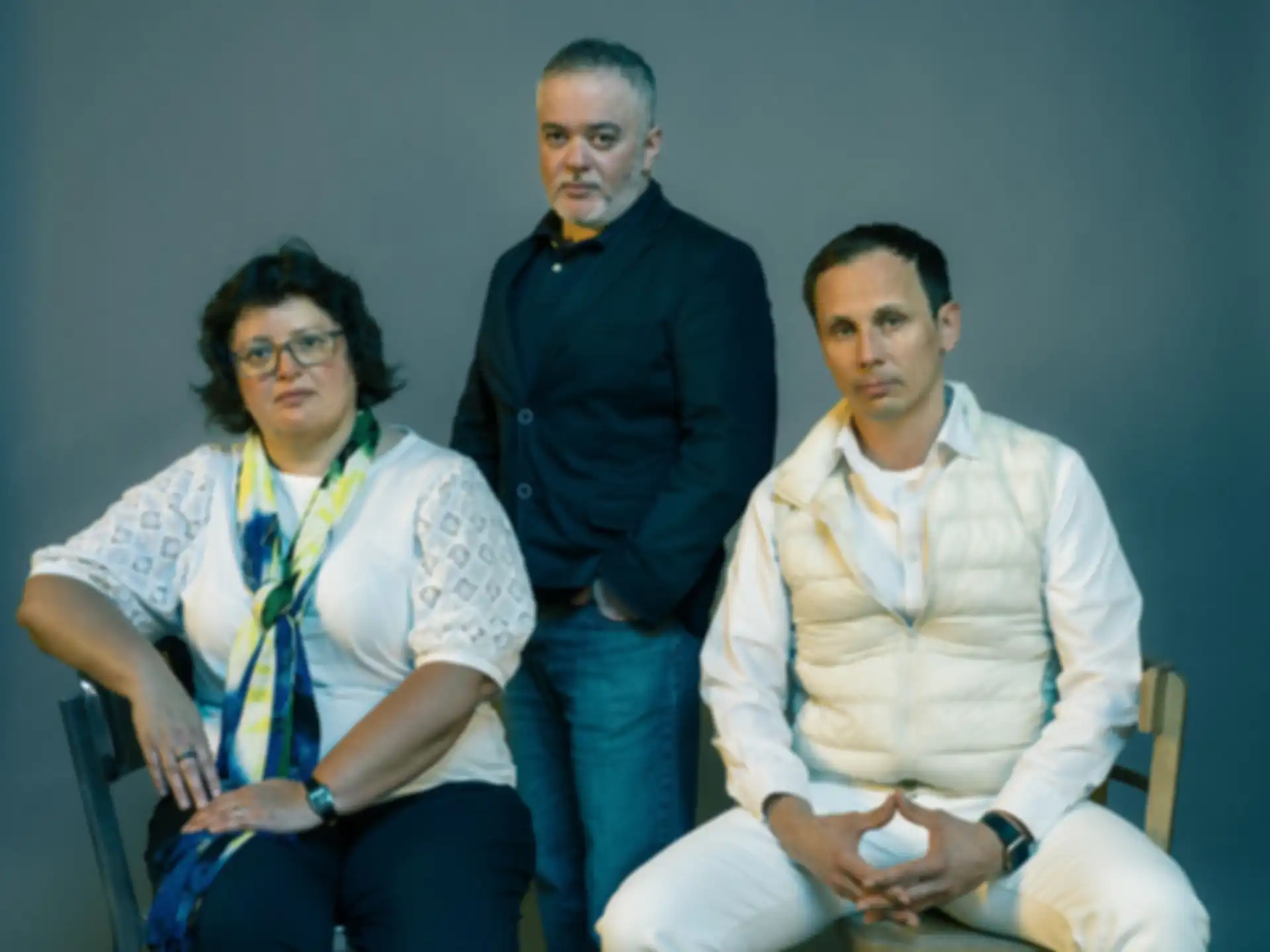
Prosemble
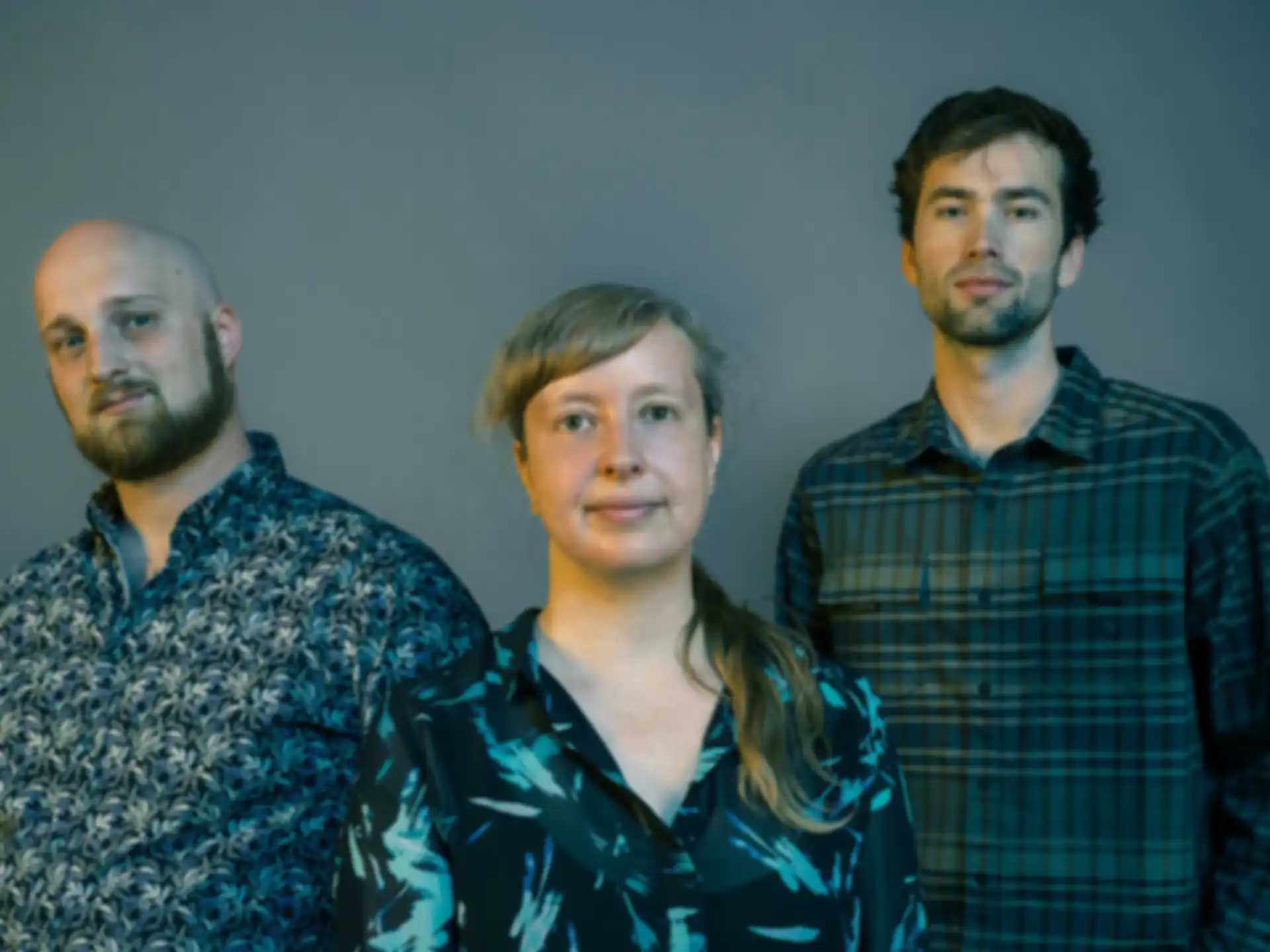
AEGIS

TrueCardium Orbital
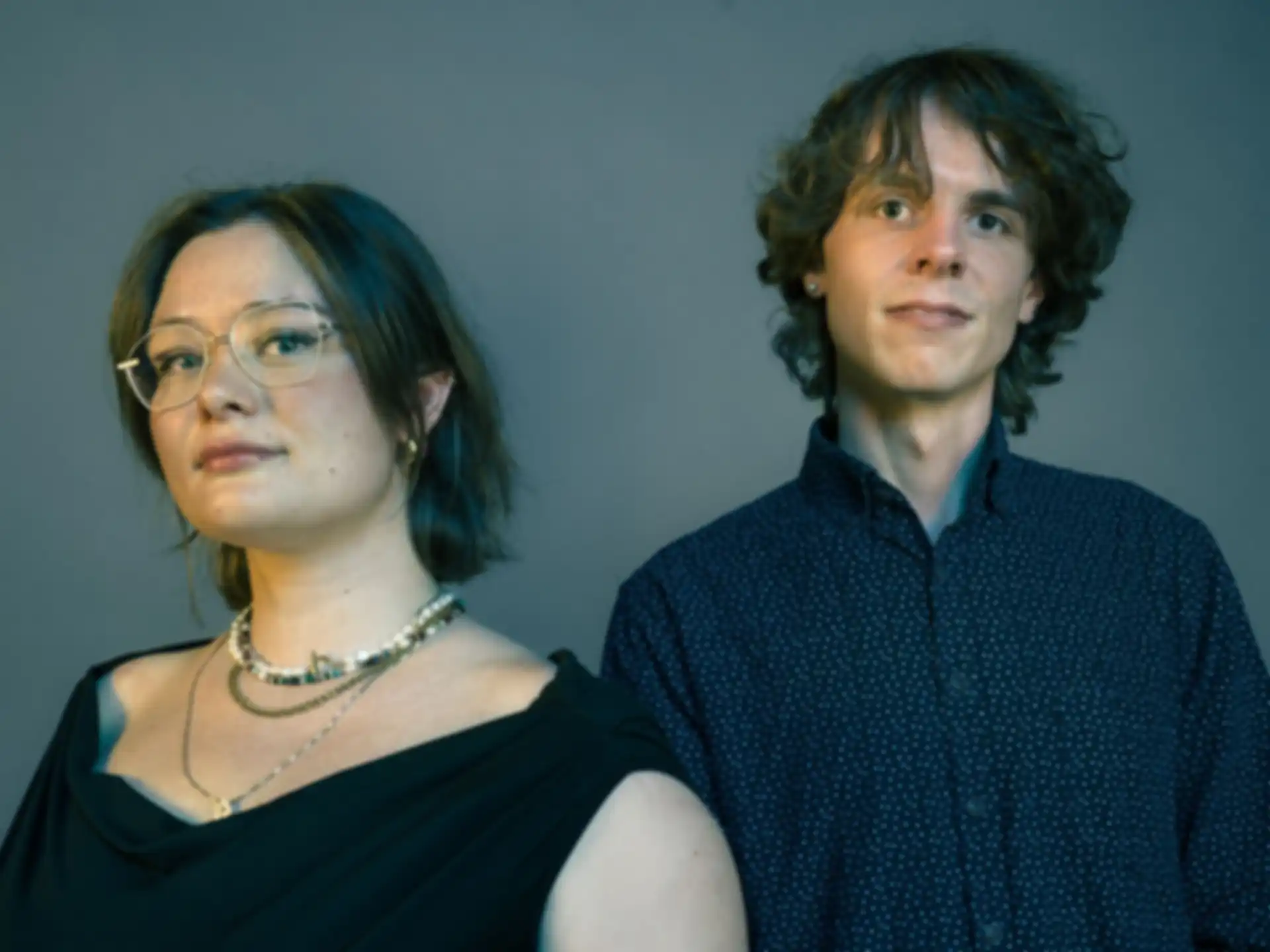
VitrofluidiX
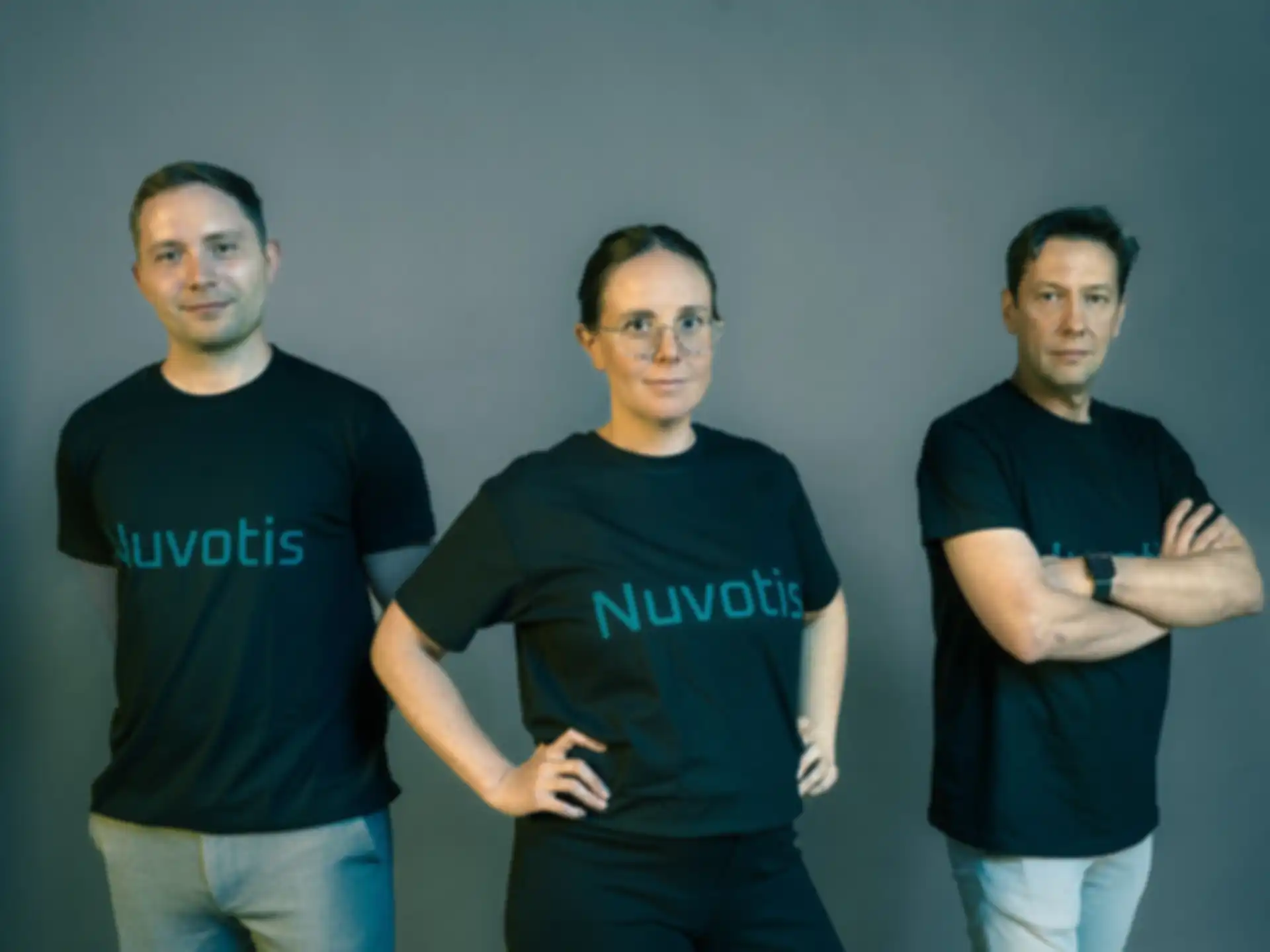
OMEGA
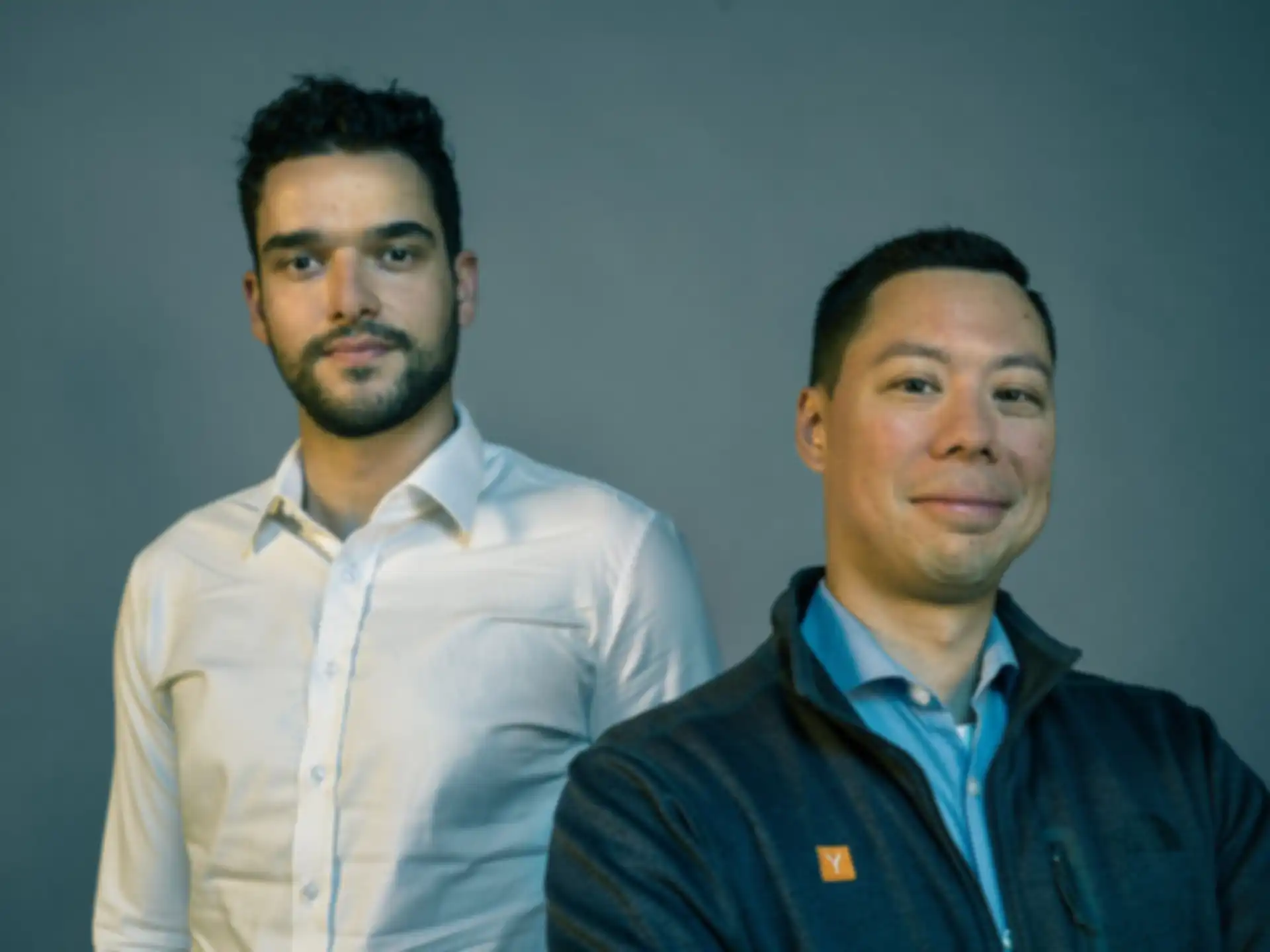
INVITRIS
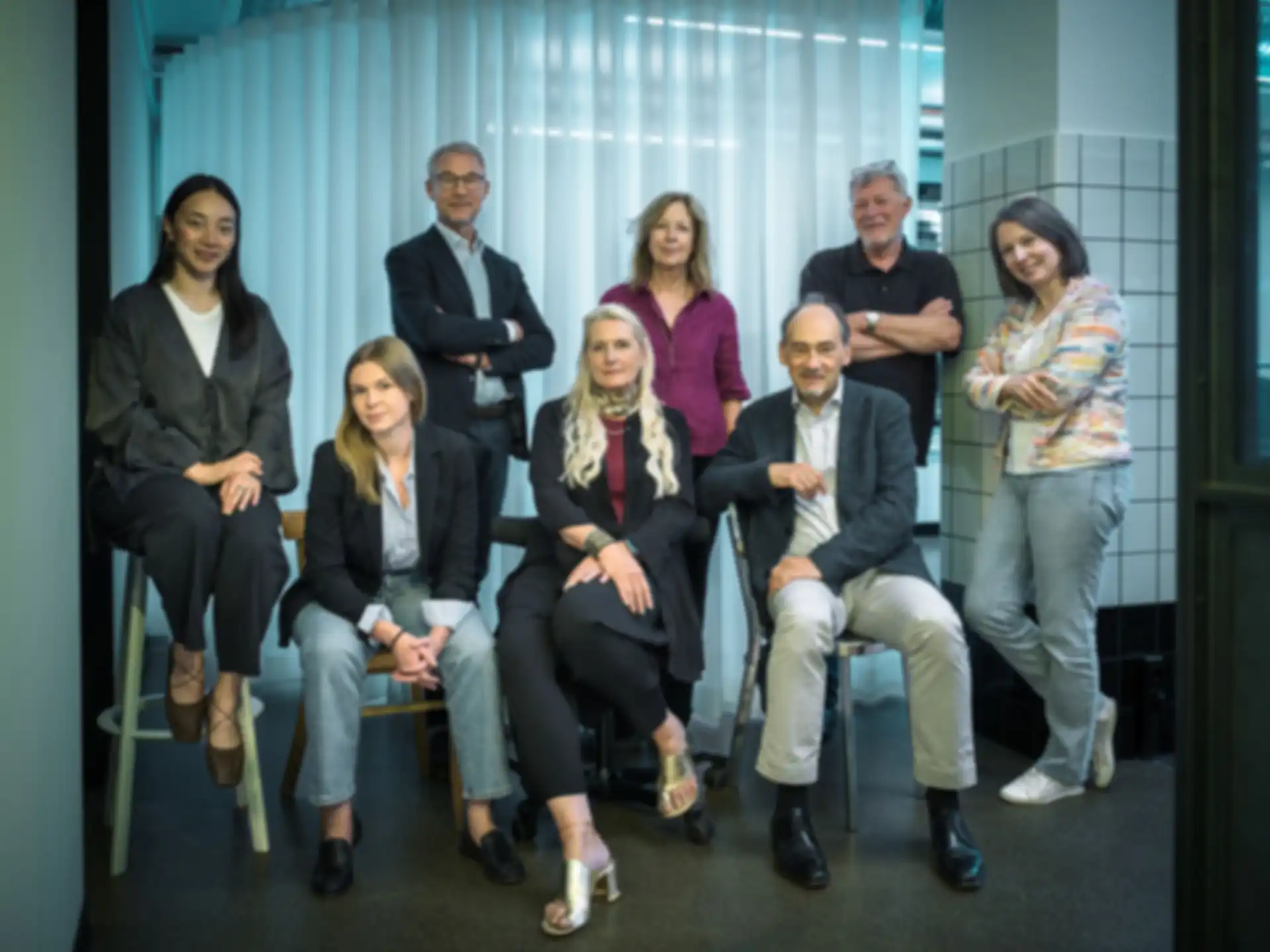

Prof. Dr. Pascale Ehrenfreund
Dr. Jack J. W. A. van Loon
Dr. Isabel Zhang
Prof. Dr. med. Alexander Choukér
Dr. rer. nat. Ruth Hemmersbach
Matthias Wachter
Sigrid Koeth
Matthias Spott
FAQ
Do you have any questions about the challenge? Write to us at challenge@sprind.org.
More about this topic
Magazine Articles
More Challenges and Funken
Anti-Drone Response
We are looking for a fully autonomous system that can detect, classify, and neutralize small and micro UAVs in real time – without weapons, external communication, or human intervention.
Anti-Drone Response 2.0

A fully autonomous system is to be developed, capable of neutralizing small and micro UAVs of up to 25 kg and 200 km/h autonomously, precisely, and non-destructively in real time.