11/12/2026
REIMAGINING DRONE DEFENSE
The SPRIND Funke Anti-Drone Response 2.0
puts the protection of civilian urban infrastructure center stage
The threat from drones is omnipresent. They are used worldwide in military conflicts, and the targeted use of drones and effective counter-drone measures against them has become a central element of modern hybrid warfare. In Russia's war of aggression against Ukraine, drones are now also being deliberately deployed in urban areas.
But drones are increasingly becoming a danger outside of war zones, as demonstrated by the incident at Leipzig Airport in summer 2026, where a drone loaded with explosives was found on the airside of the airport. The critical question is: How can such a drone be detected in time, reliably classified, and stopped before it causes damage?
What sounds simple poses significant challenges for modern defense systems. Drones are becoming smaller, faster, and more capable. They can navigate increasingly autonomously, automatically recognize targets, and even coordinate in swarms. Existing counter-drone capabilities are reaching their limits in the face of these developments. Proportionality is another key consideration. A drone that needs to be intercepted over an airport or a crowd must not crash uncontrollably. Likewise, countermeasures must not endanger other aircraft or disrupt communications in the surrounding area.
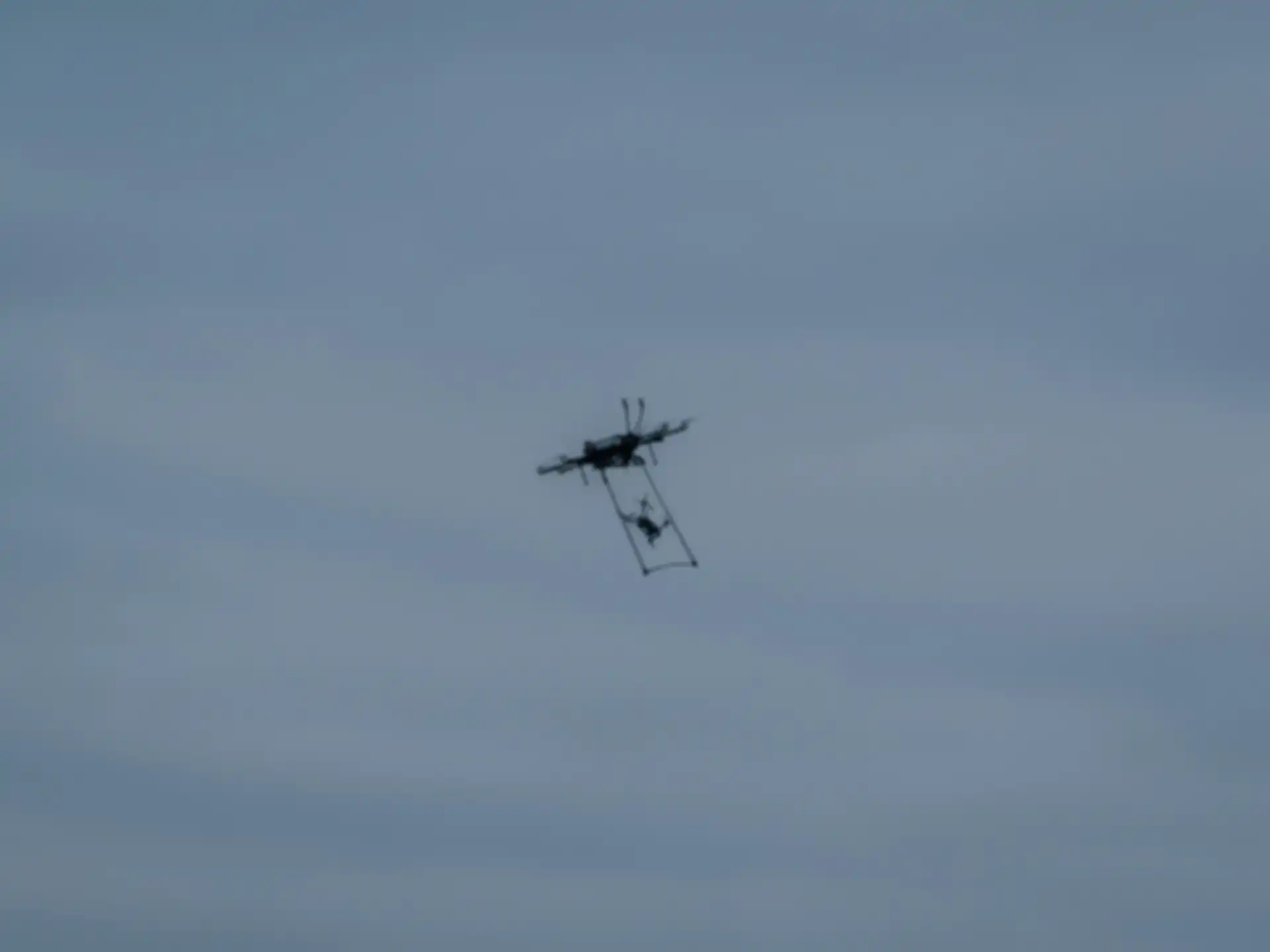
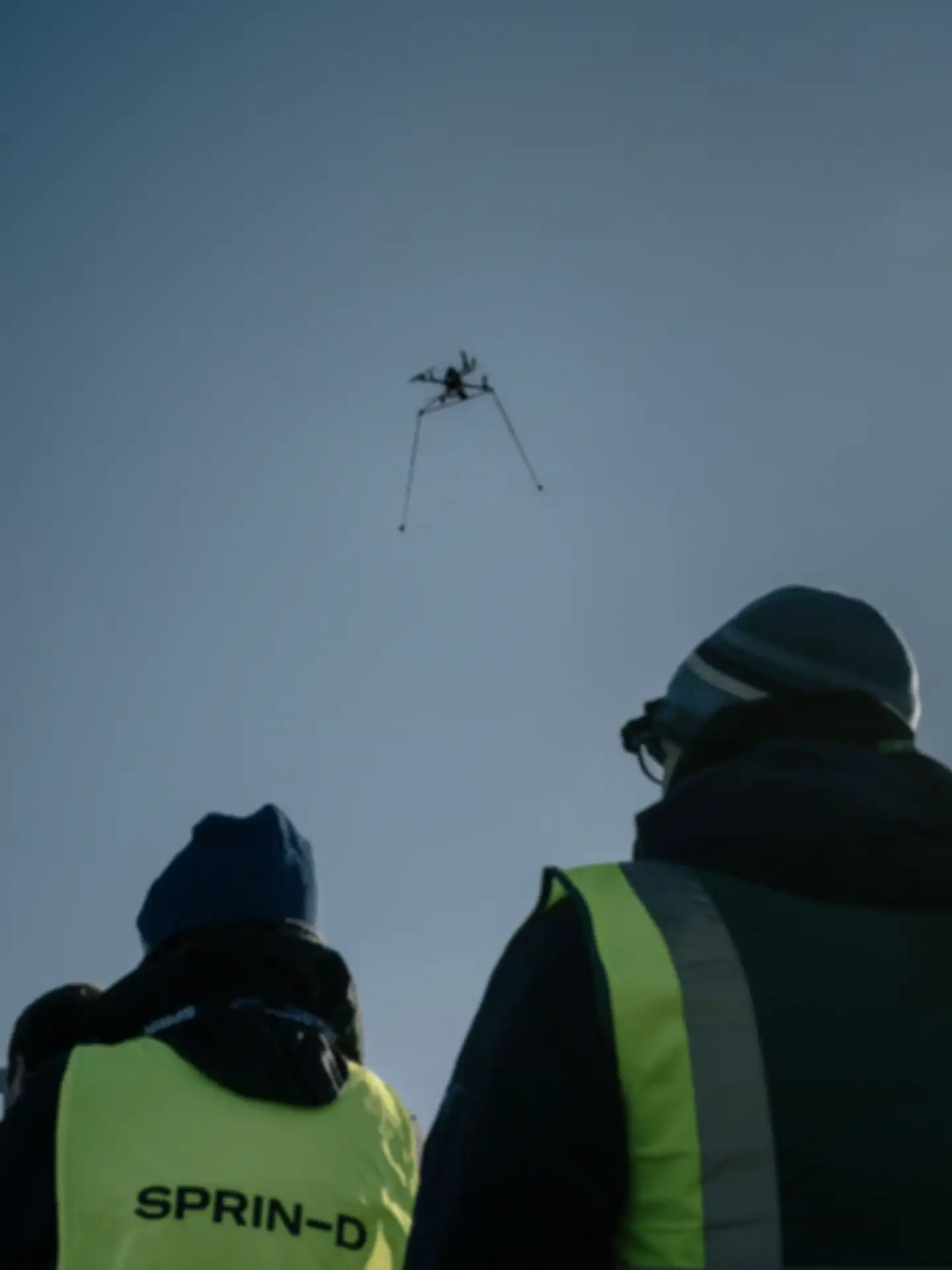
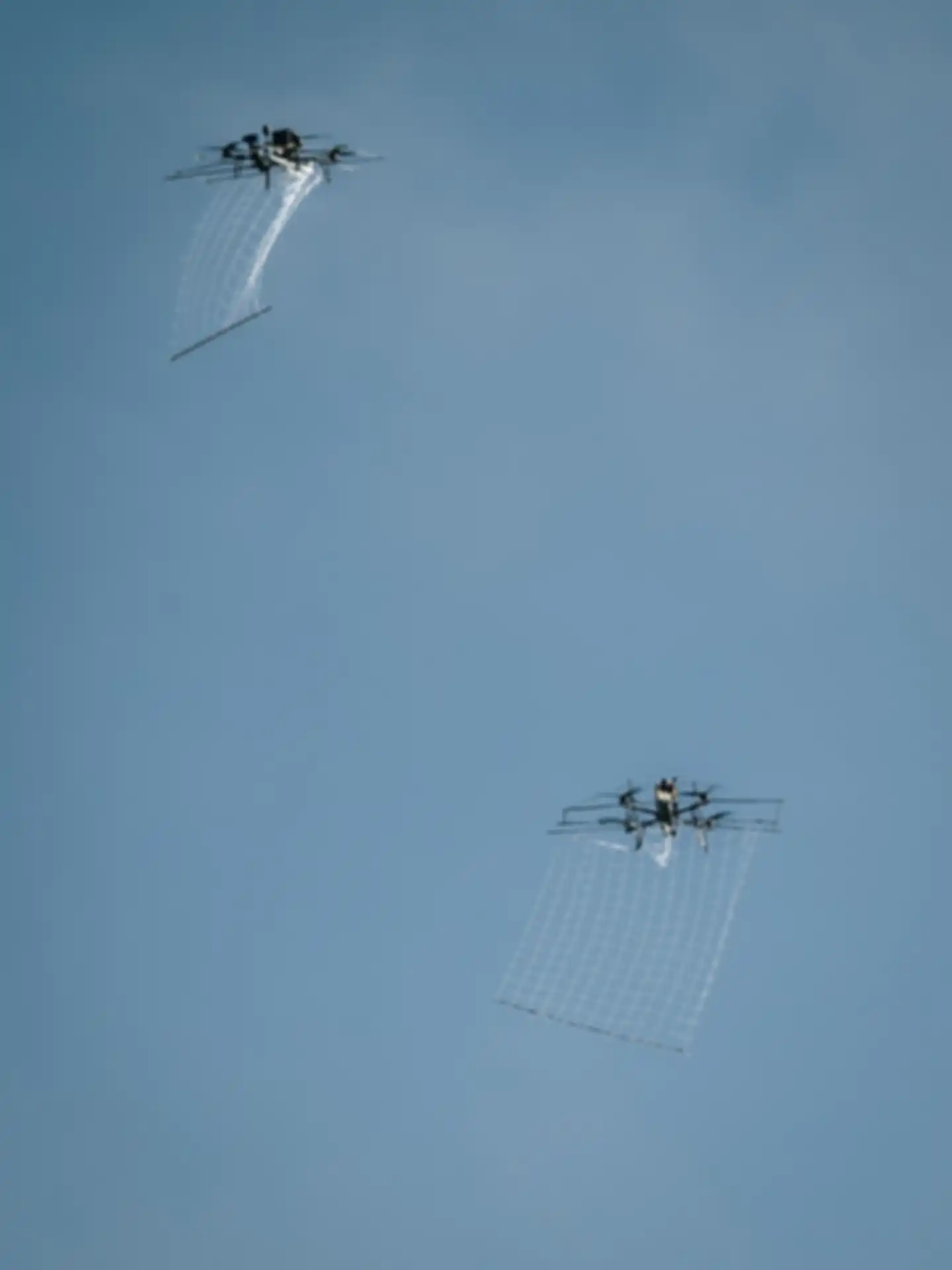
The SPRIND Funke therefore deliberately relies on non-destructive and reversible methods. Explosives and kinetic impactors are excluded. Instead, the systems should, for example, take control of drones, redirect them, or capture them with netting mechanisms. The goal is an integrated system that can respond as autonomously and contextually appropriately as possible to a wide range of threats.
The Start of the Third and Final Stage
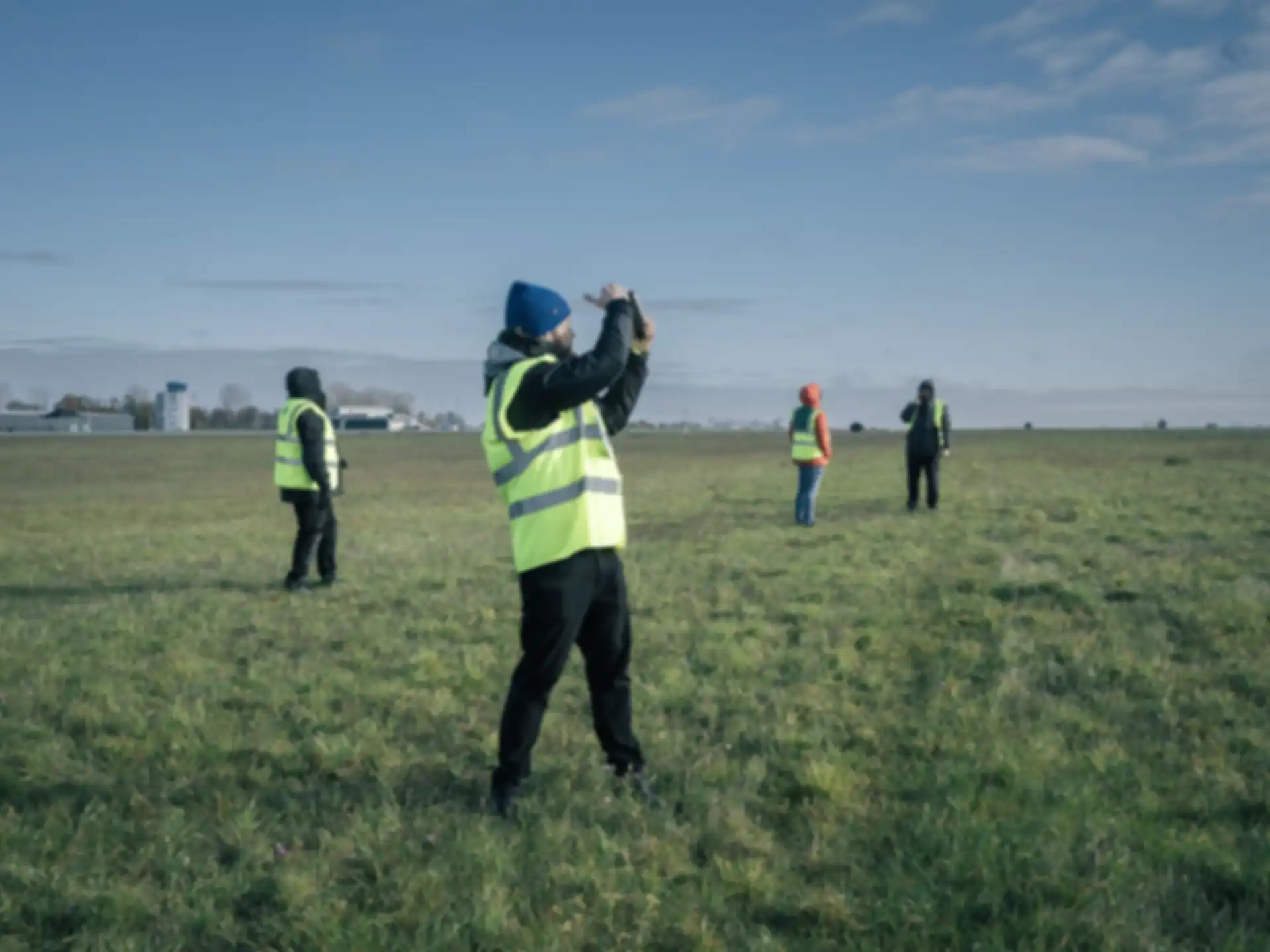
From November 2 to 4, 2026, nine teams gathered at the National Test Center for Unmanned Aircraft Systems of the German Aerospace Center (DLR) in Cochstedt for the final demonstration of the second competition stage. In summer 2026, they had already prevailed against four other participants.
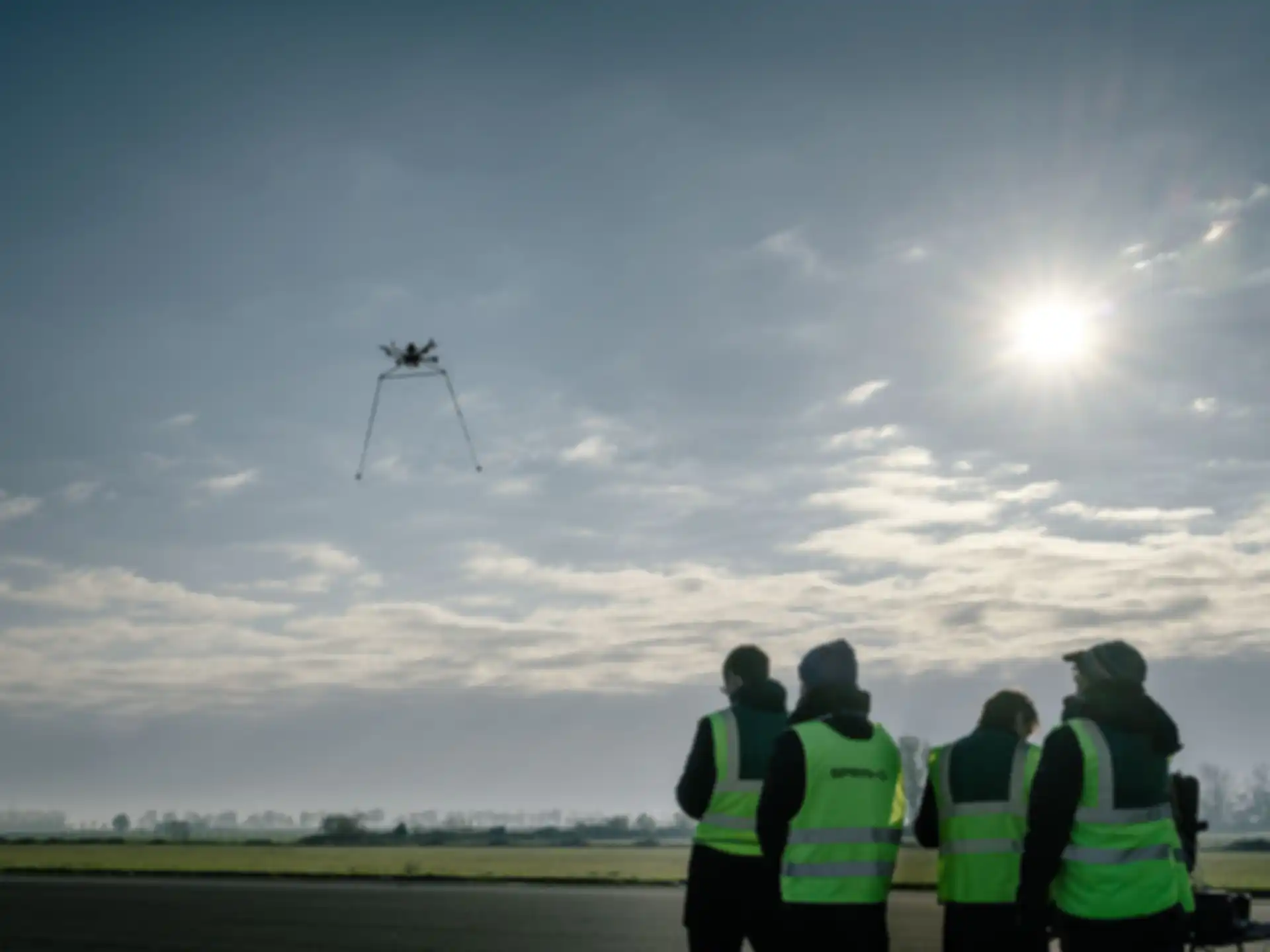
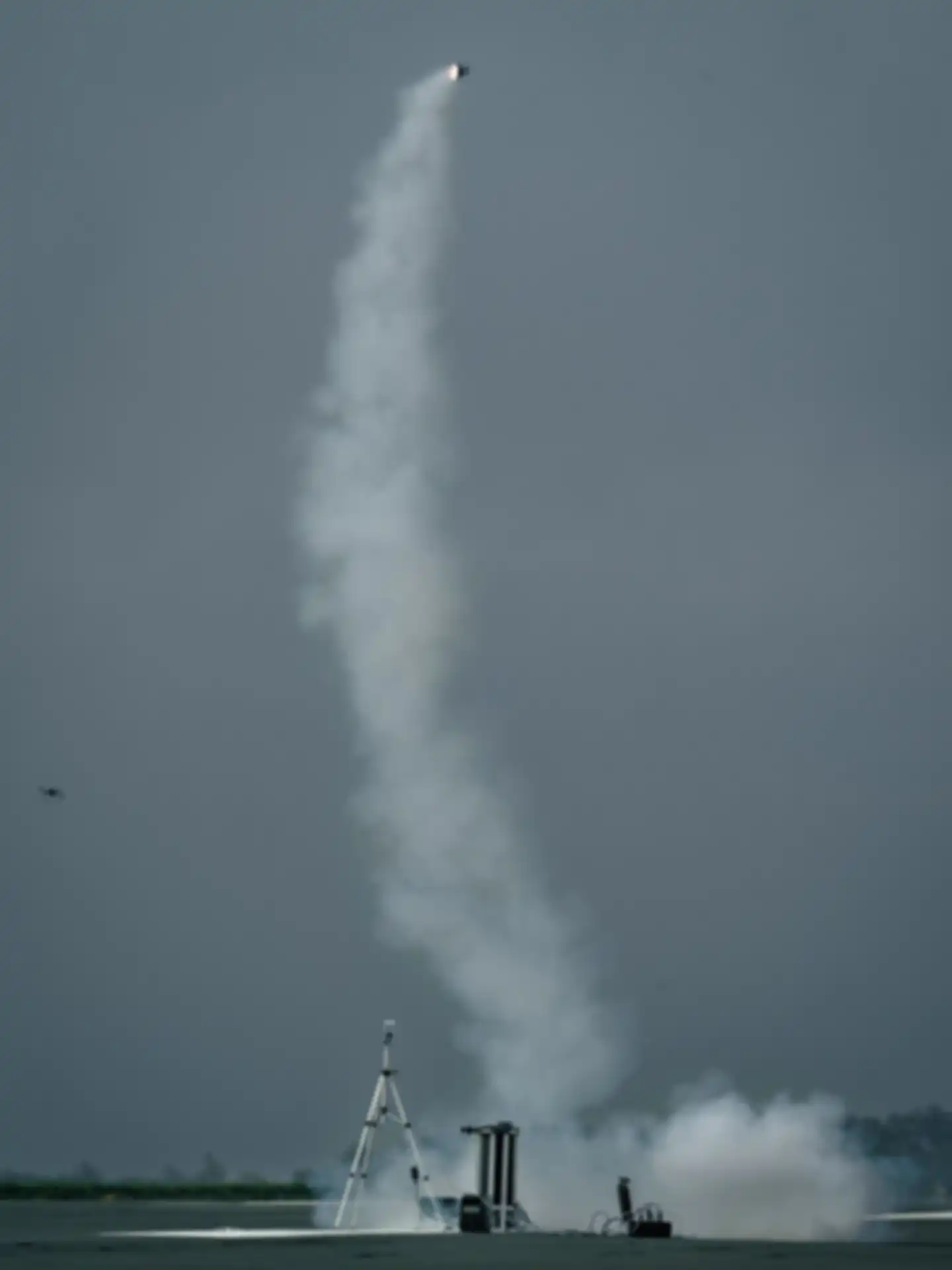
The teams had to protect an area with a diameter of approximately 100 meters, starting from a marker on the runway, and detect, identify, and autonomously intercept intruding foreign drones within that area. The foreign drones, varying in size and weight, approached the target area at speeds of up to 100 km/h and in various flight patterns.
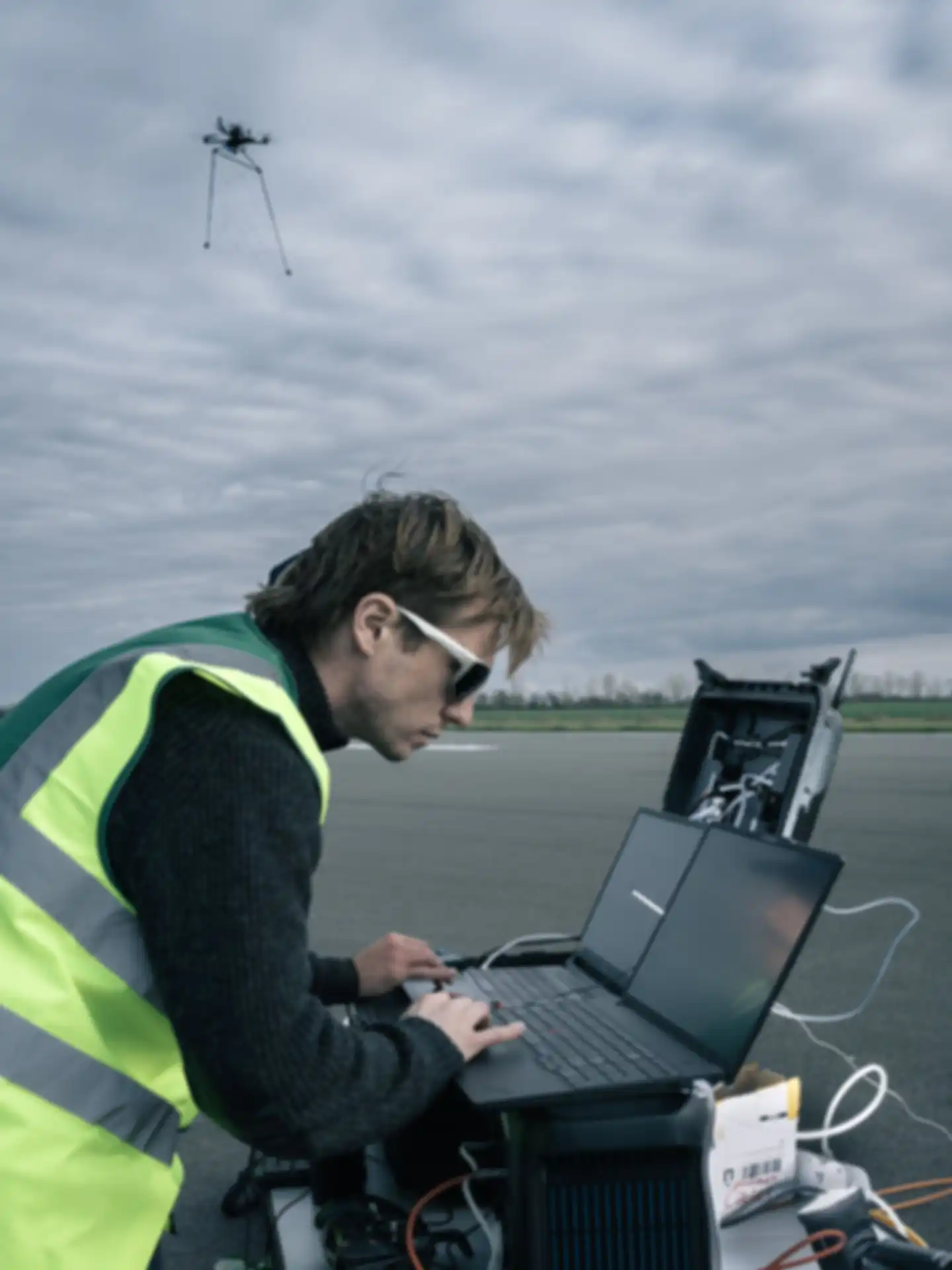
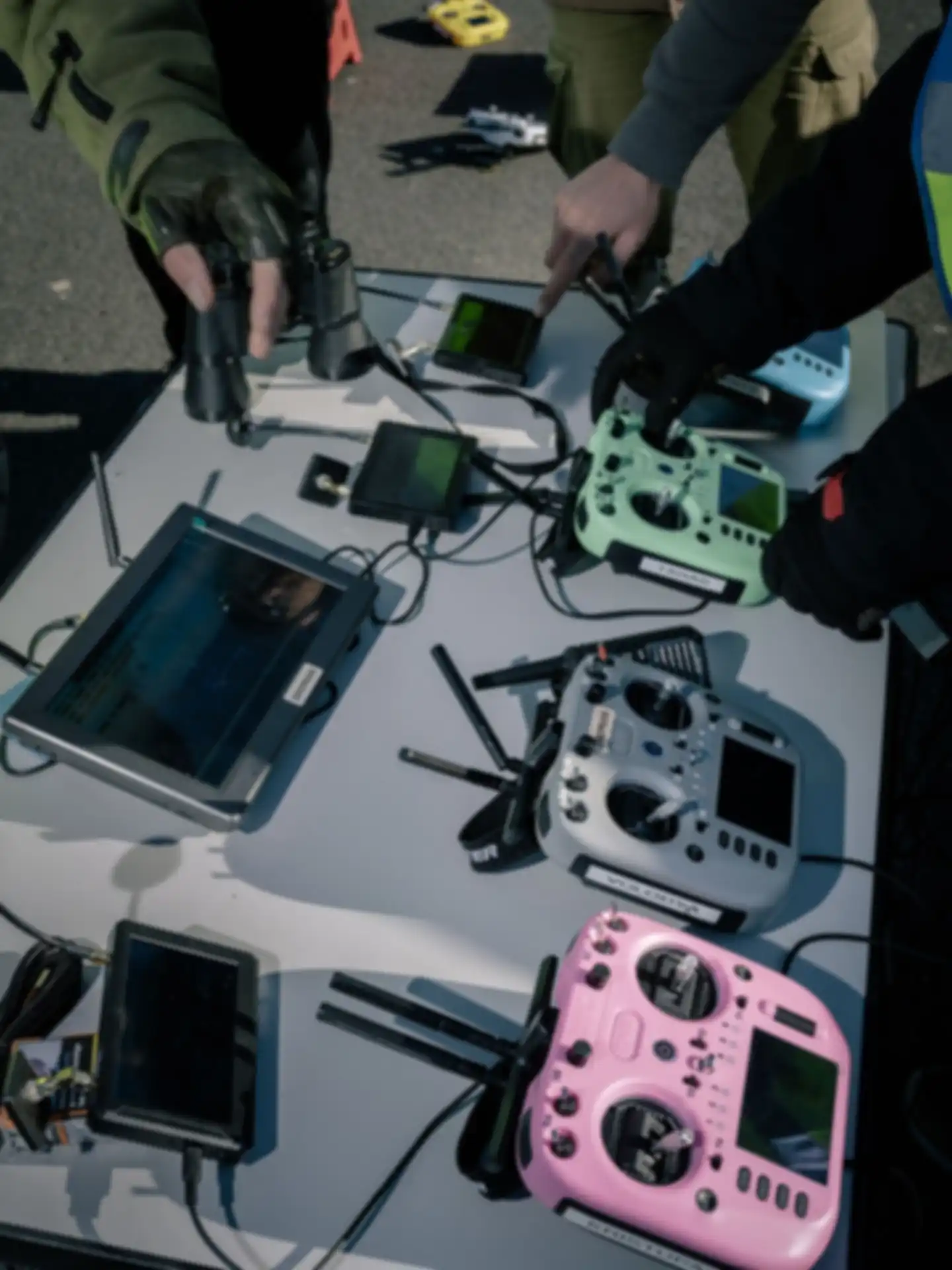
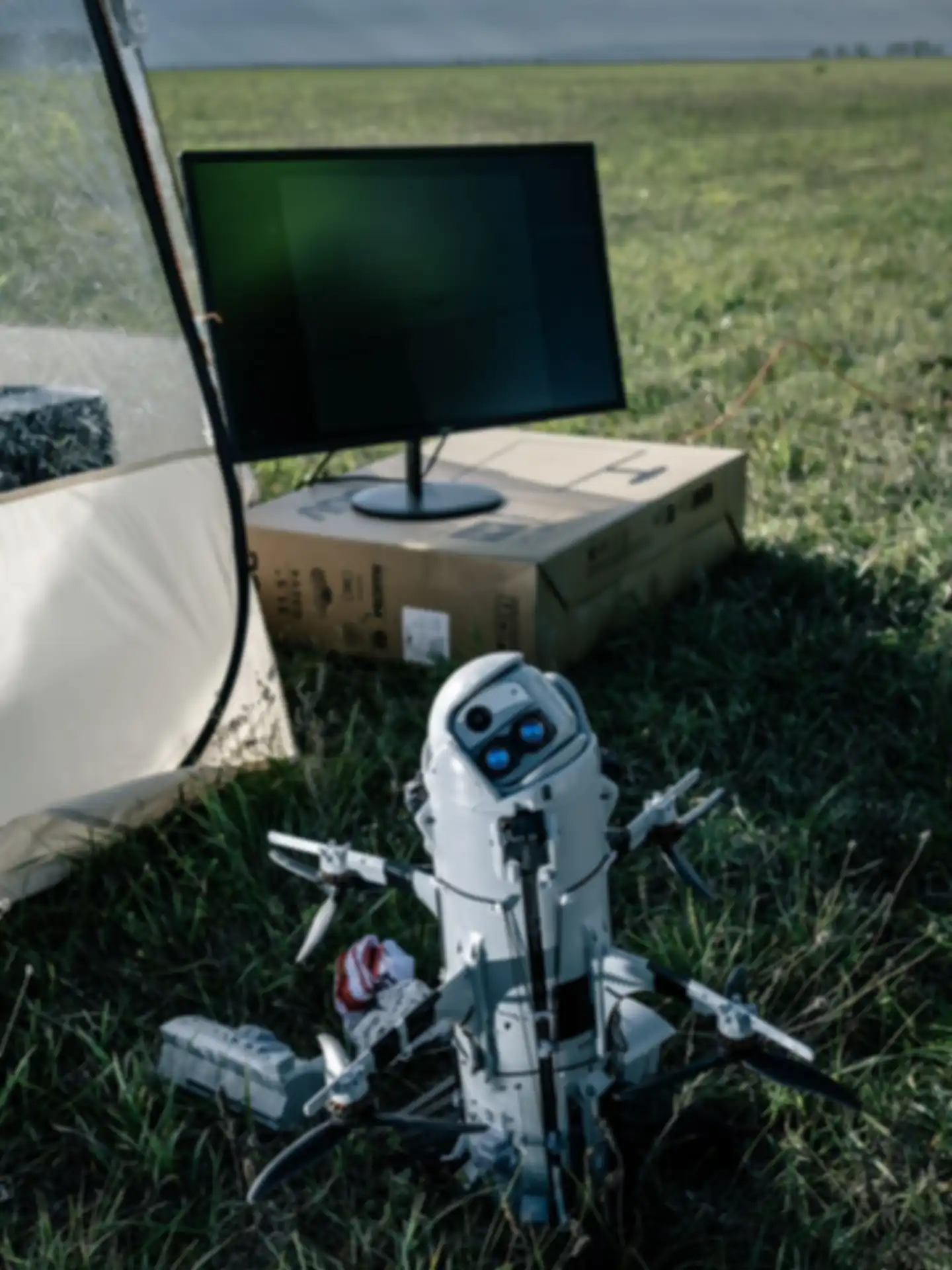
While some teams relied on autonomous interceptor drones equipped with capture nets, others pursued ground-based solutions or coordinated multiple interceptor drones into a swarm.
The November weather conditions added to the already challenging setup. The teams struggled with their drones and especially their nets against strong winds, and were occasionally pushed to the physical limits of their systems. Nevertheless, the European expert jury was able to witness several successful interception attempts and ultimately selected five finalist teams.
The Start of the Third and Final Stage
In the third stage, running until June 2027, the teams must demonstrate that their systems function reliably even when defending against more complex flight maneuvers and different types of drones. It will be particularly challenging when multiple drones appear simultaneously or when their navigation and communication are restricted.
For the subsequent industrial implementation, additional questions arise. How can the systems be produced in larger quantities? How cost-effective is an interception relative to the value of the threat? And how can European companies provide the necessary key technologies independently of individual non-European suppliers?
A European Task
The SPRIND Funke Anti-Drone Response 2.0
is therefore not only a competition for individual technological solutions. It addresses a security-relevant capability that is becoming increasingly important for Europe.
The collaboration with Sweden's innovation agency Vinnova underscores the European ambition. Research groups, startups, and deep-tech companies from different countries are contributing their expertise to work jointly on a new generation of Counter Unmanned Aircraft Systems.
The SPRIND Funke Anti-Drone Response 2.0
thereby brings Europe one step closer to a new generation of autonomous drone defense.
More about this topic
Challenges and Funken
Anti-Drone Response 2.0

A fully autonomous system is to be developed, capable of neutralizing small and micro UAVs of up to 25 kg and 200 km/h autonomously, precisely, and non-destructively in real time.
More Magazine Articles