9/2/2026
DECISIONS FROM THE AIR
SPRIND Funke Fully Autonomous Flight 2.0
: Seven Teams, One Final, One Winner
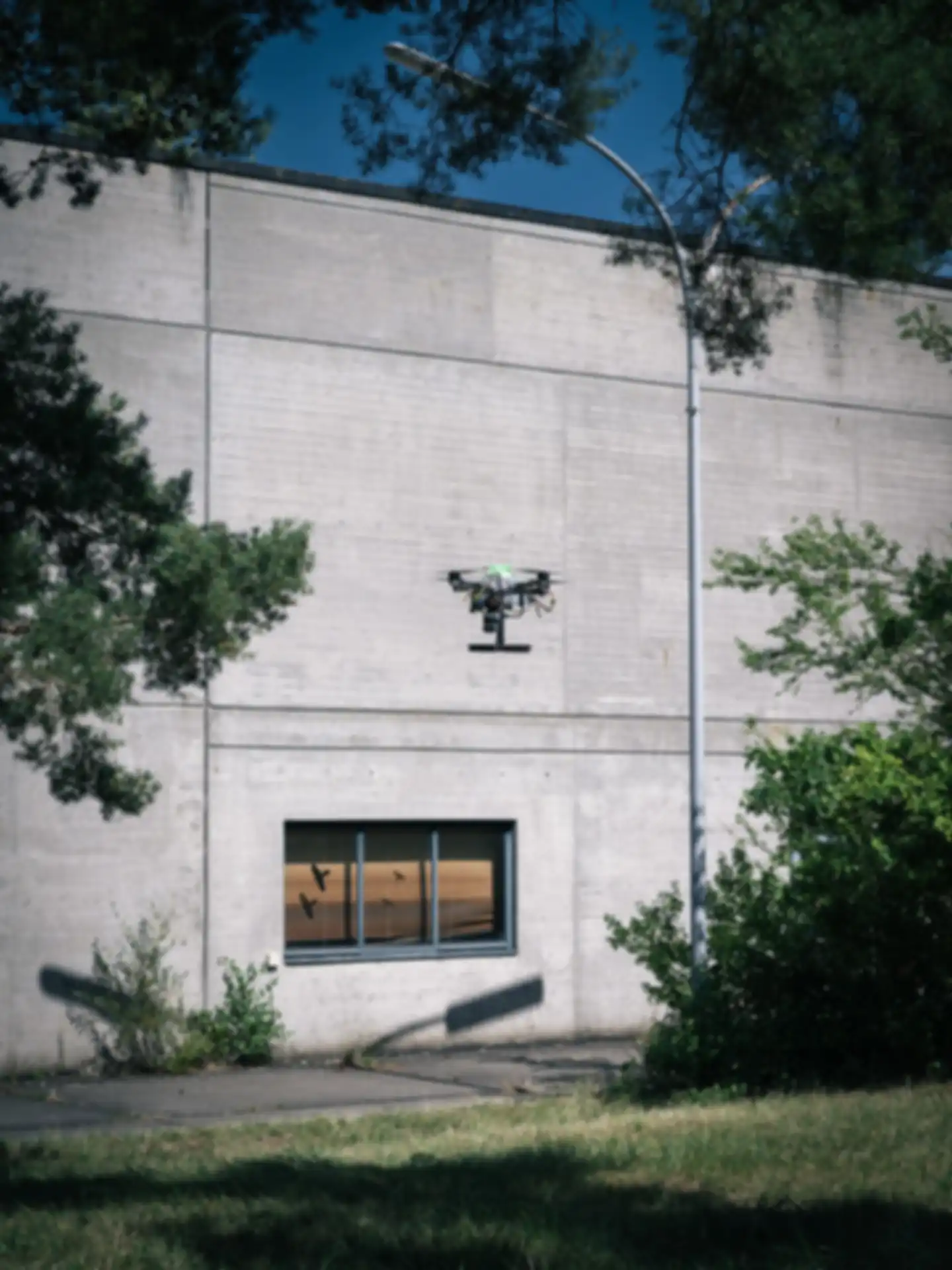
A drone takes off. No pilot is controlling it, and no satellite-based navigation is showing it the way. The task? Deliver a package to house number 14, in front of the red bicycle. Or find an injured person wearing a blue shirt somewhere in a wooded area. The drone has to find its own way there and complete the mission without human intervention.
What sounds like a manageable task to a human presents autonomous flight systems with a multitude of challenges. First, they have to perceive their surroundings, orient themselves safely within them, make decisions, and immediately translate those decisions into flight movements. And they have to do all of this reliably enough to actually reach their destination without putting anyone at risk.
This complex challenge was at the heart of the SPRIND Funke Fully Autonomous Flight 2.0.
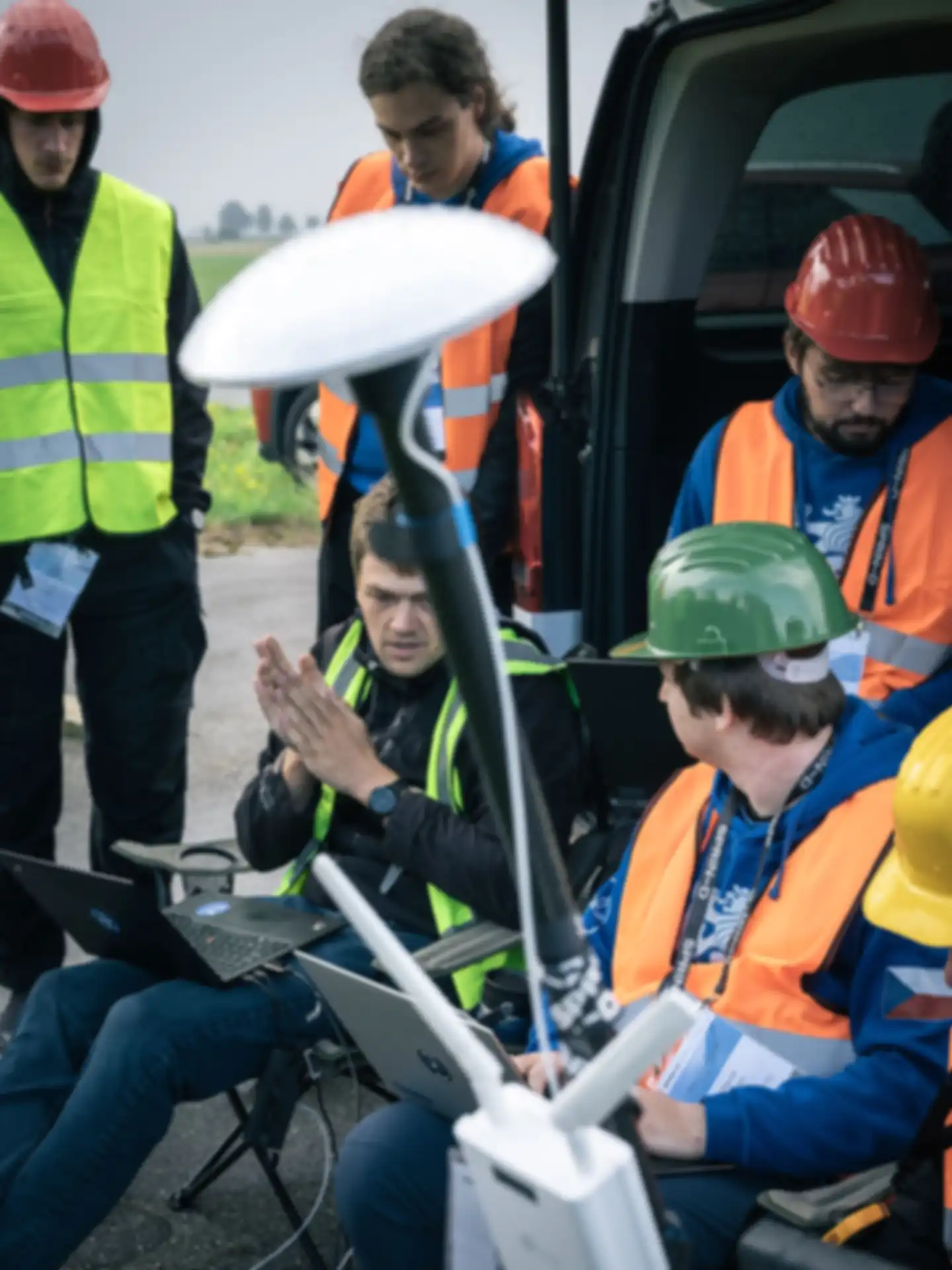
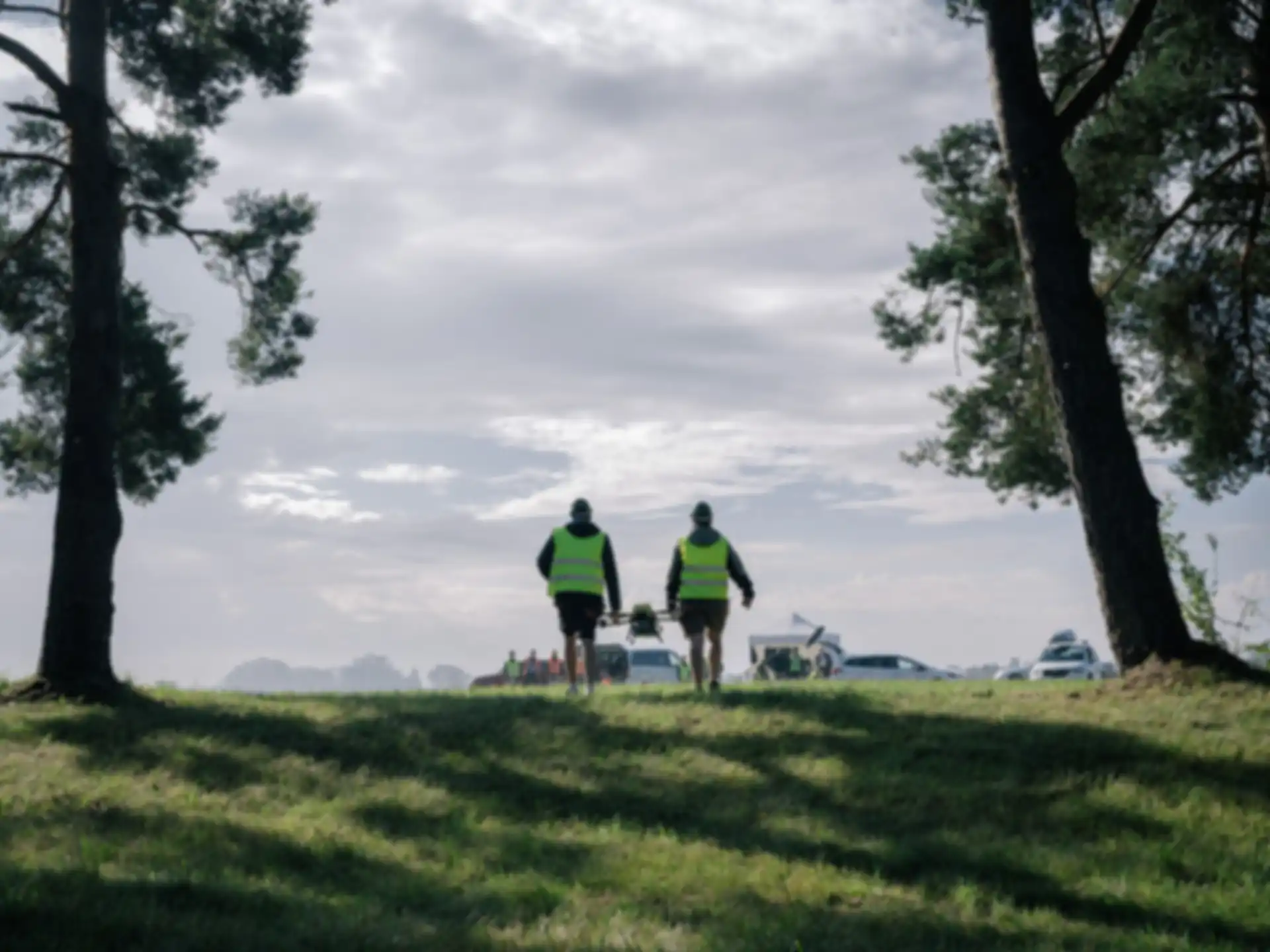
In the final week of August 2026, seven teams from Germany and across Europe competing in the second and final stage of the programme came together at the Erding Air Base for the competition’s finale. Over two days, the teams had to put their systems to the test in the decisive jury flights. On August 27, the Funke opened its doors to visitors, offering a glimpse of how far the technologies had advanced over the previous 14 months and across two stages.
Develop faster, fly more precisely
The first SPRIND Funke Fully Autonomous Flight
marked the beginning of a development journey that continued directly into its second edition. The teams were able to test their systems under real-world conditions, feed the insights they gained directly back into development, and return to the starting line again within a short period of time.
These rapid iteration cycles are crucial to the development of autonomous flight systems: identify errors, adapt the systems, test again, and generate the next set of insights. In this way, experimental systems became increasingly robust and capable within a very short time.
The challenge was not limited to developing individual components. Sensors, navigation, flight control, artificial intelligence, and software all had to be integrated reliably.
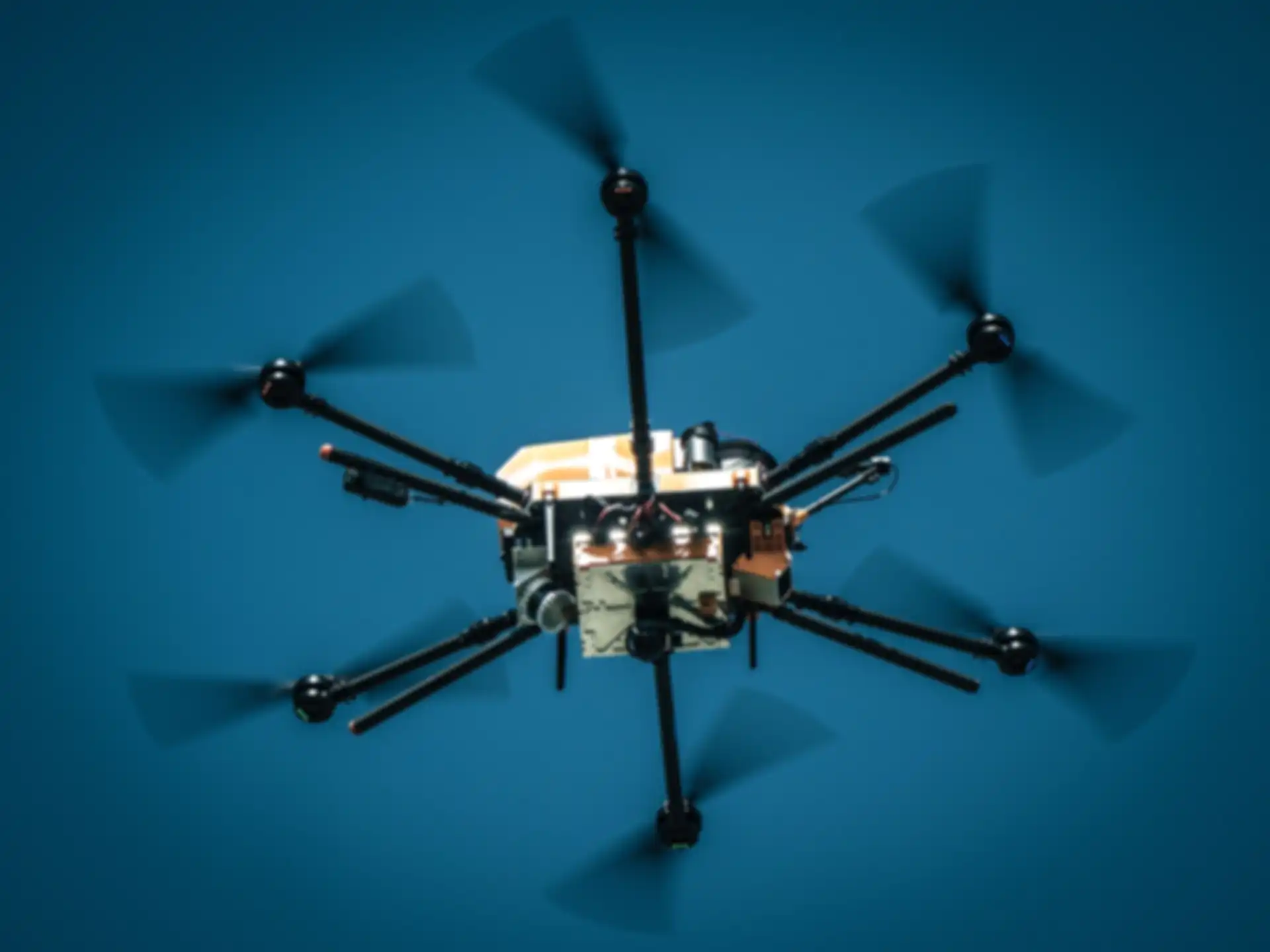
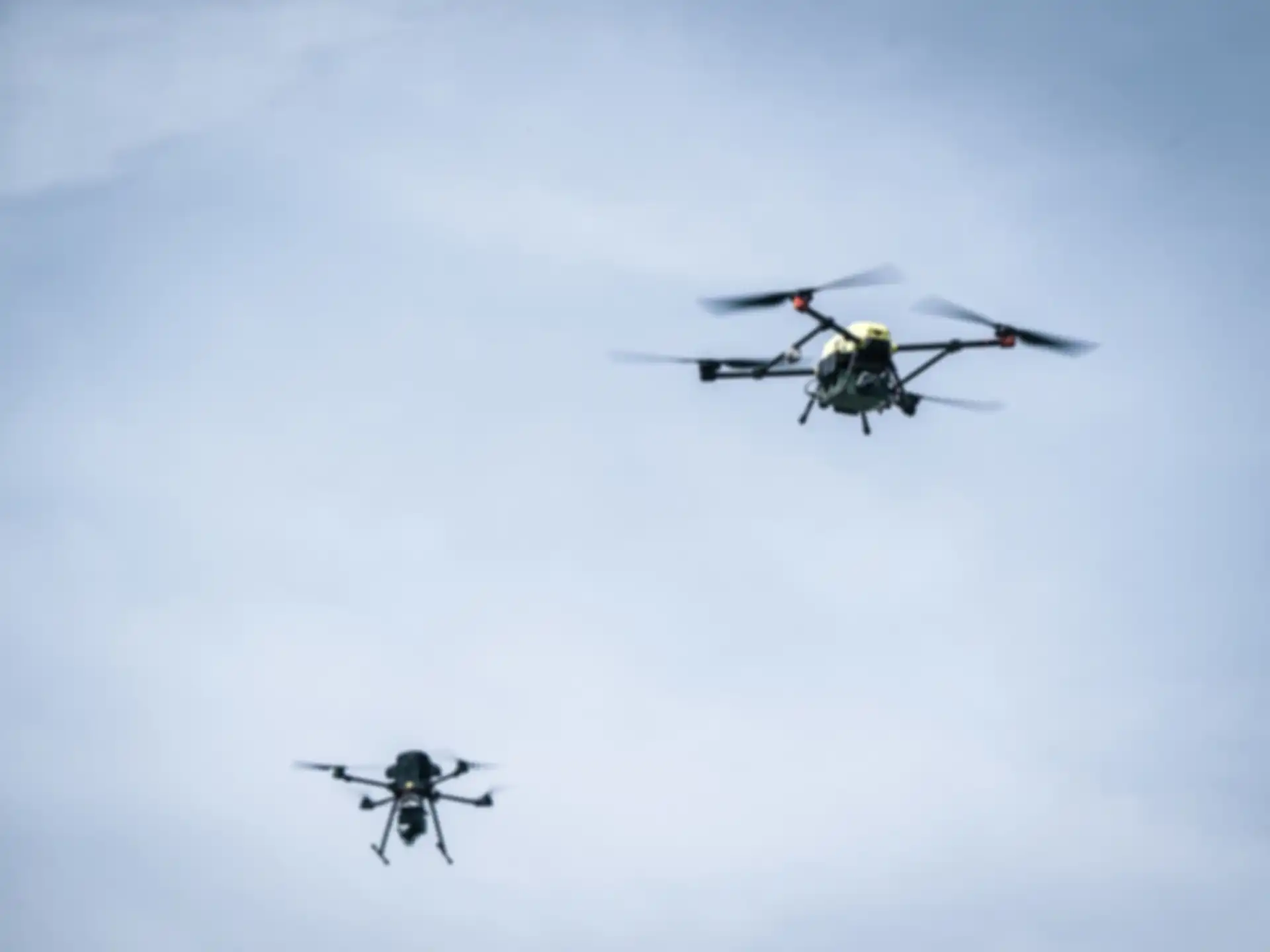
Autonomy means making decisions
One of the two missions simulated last-mile package delivery. The second mission placed the systems in a very different scenario: Search & Rescue.
Here, for example, the task was to find an injured person wearing a blue shirt in a wooded area. In the dynamic version of the mission, the target person was moving. The drone had to autonomously identify and track the person in the blue shirt and transmit tracking data over a defined period of time.
Two missions that asked the same question in very different ways: Can a drone — or the algorithm behind it — understand a task and solve it autonomously?
Once the task had been transmitted, the real challenge began. The drone had to take off autonomously and first orient itself within its surroundings. Sensors and cameras provided information about the world around it. Algorithms processed that information and determined what to do next.
Where is the target? Which flight path is suitable? What is an obstacle — and what is not? How can the mission be completed as reliably as possible under the given conditions?
Behind the few minutes of a successful autonomous flight were 14 months of development. All seven teams made enormous progress throughout the Funke. At the same time, the finale demonstrated just how difficult it is to make a complex combination of hardware and software perform reliably on precisely the day it matters.
The weather did not make things any easier. Conditions during the final week ranged from 17°C and rain to 29°C and intense sunshine. For humans, these are simply different weather conditions. For a drone, they mean changing thermal conditions, varying visibility, and different stresses on sensitive electronics.
Ultimately, it is not about how well a system performs under perfect laboratory conditions. It has to work when the mission begins.
When the tracking doesn't stop
The capabilities of the systems were particularly impressive during the Search & Rescue mission. A target person moved through the area. They were wearing a blue shirt and trying to avoid being detected by the drone.
The winning team, HERMES from the University of Klagenfurt, demonstrated just how far autonomous tracking has come. The drone stayed with the target person even when they hid, set off smoke flares, and even opened an umbrella.
What appears on screen as a single successful flight is actually the result of a multitude of autonomous decisions that have to be made within a matter of seconds.
This is precisely where the difference between automated and autonomous flight becomes visible. The drone is not simply executing a pre-programmed script. It responds to what is actually happening.
One step closer to reality
HERMES’ victory demonstrates just how capable autonomous flight systems have become. At the same time, all seven finalists showed that the path towards robust autonomy does not end with a single competition. The SPRIND Funke was about more than competing for first place.
In the future, autonomous drones could be deployed wherever human control is difficult, dangerous, resource-intensive, or simply too slow: in search-and-rescue operations, for delivering goods, or for monitoring and maintaining critical infrastructure.
The SPRIND Funke Fully Autonomous Flight 2.0
has shown just how much is already possible on this journey.
More about this topic
Challenges and Funken
Fully Autonomous Flight
2.0
The dream of fully autonomous flight is not yet a reality. What is missing are robust systems that can safely navigate complex environments without GNSS or human intervention.
More Magazine Articles